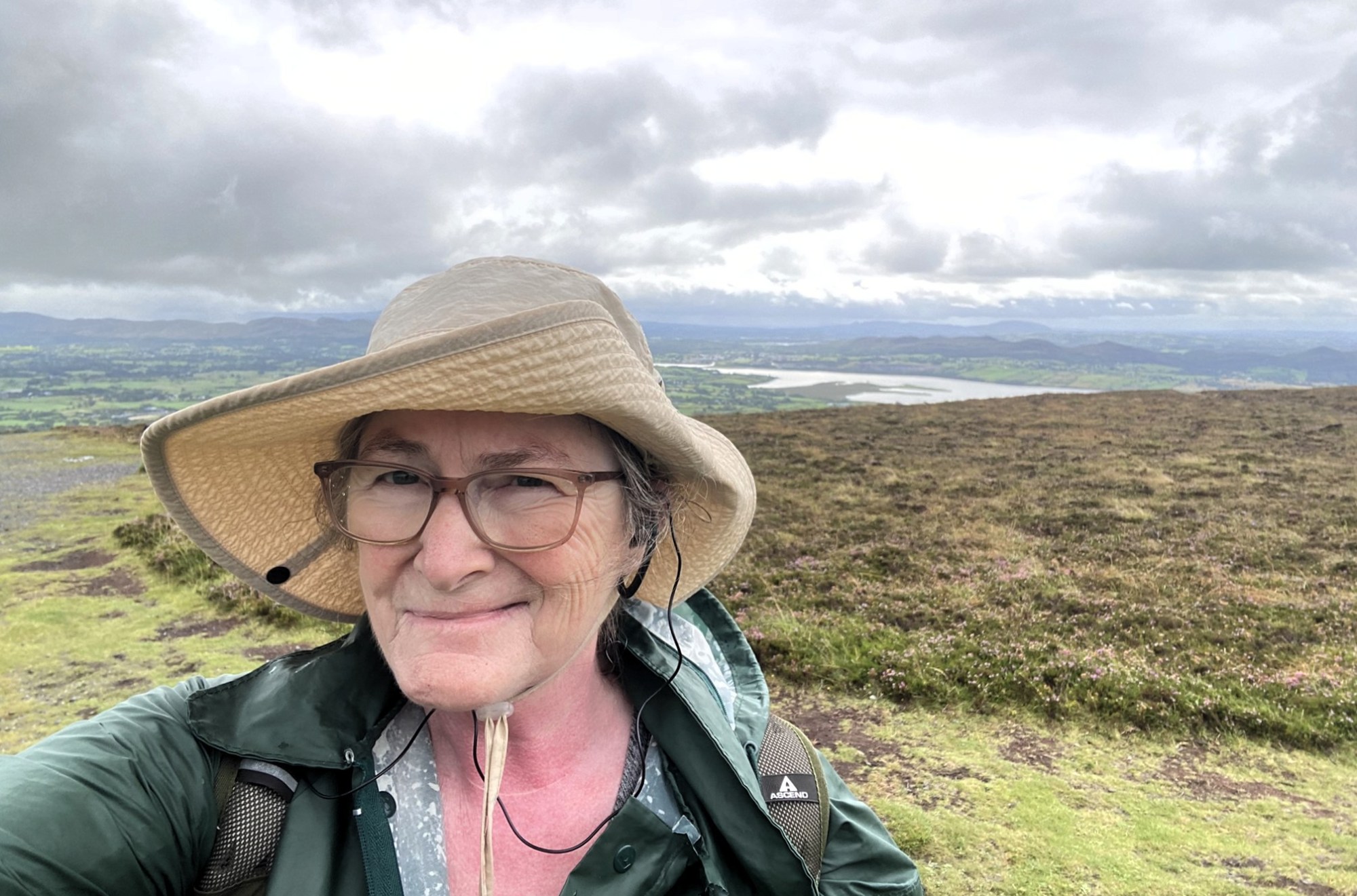
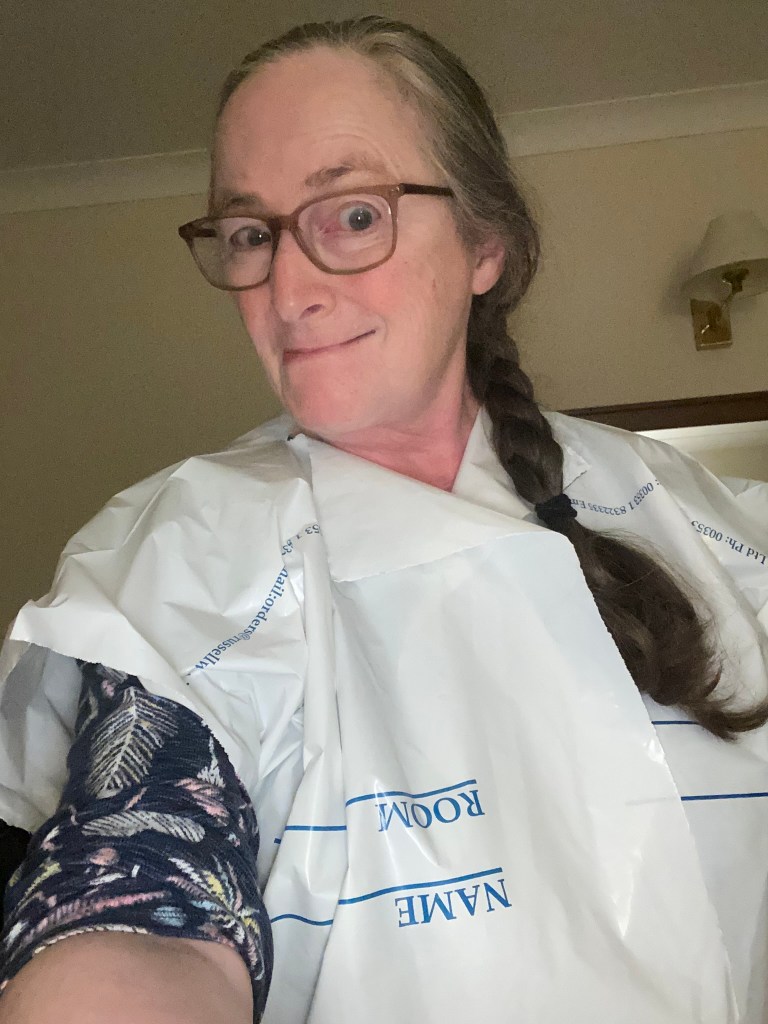
I fashioned a raincoat liner with two hotel laundry bags and the duct tape I carry in my backpack. I hoped this would give me some extra rain protection, as we were expecting yet another rainy day of hiking.
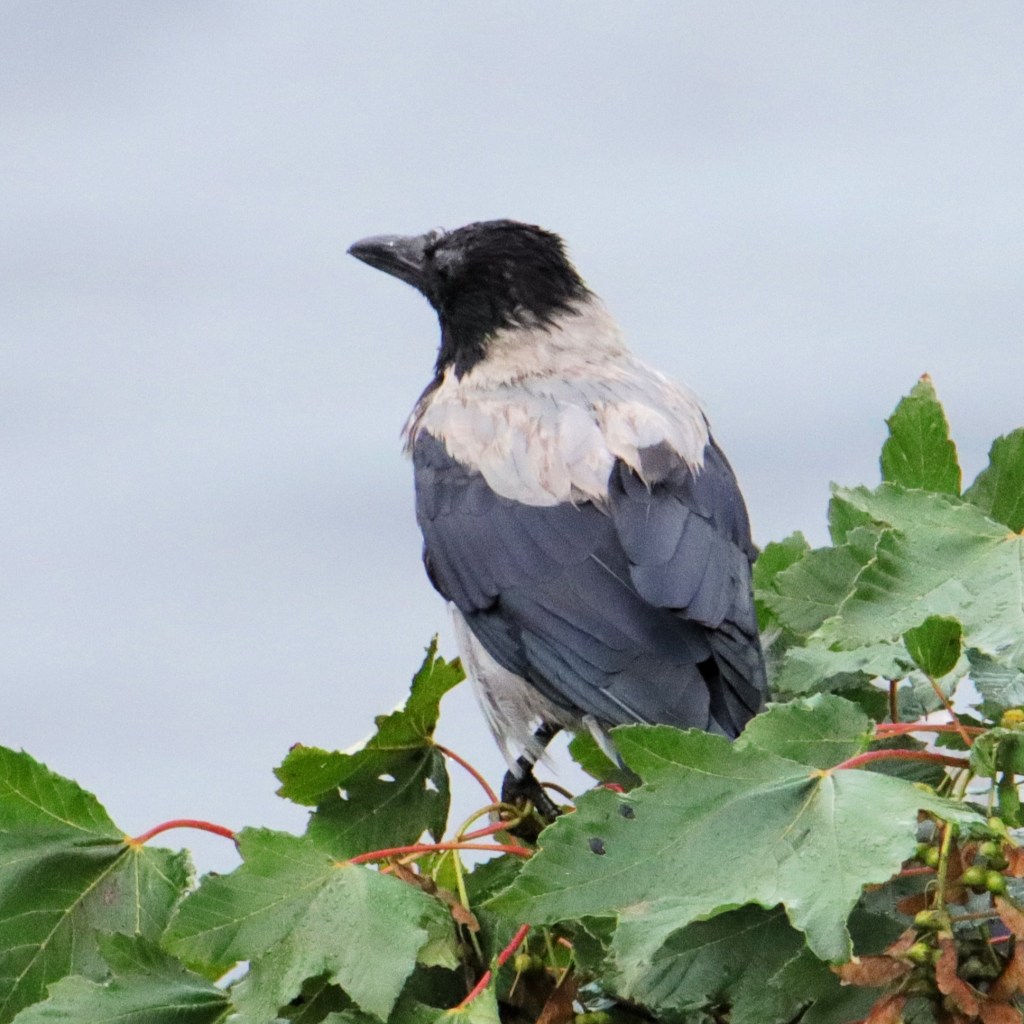
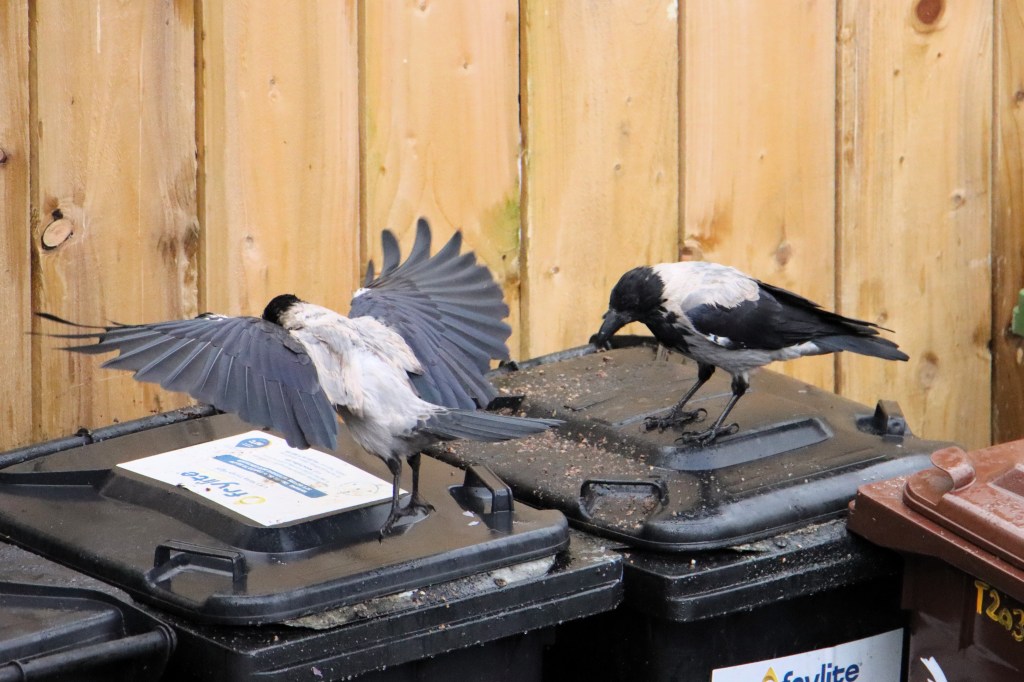
Hooded Crows near the hotel dumpsters in Donegal
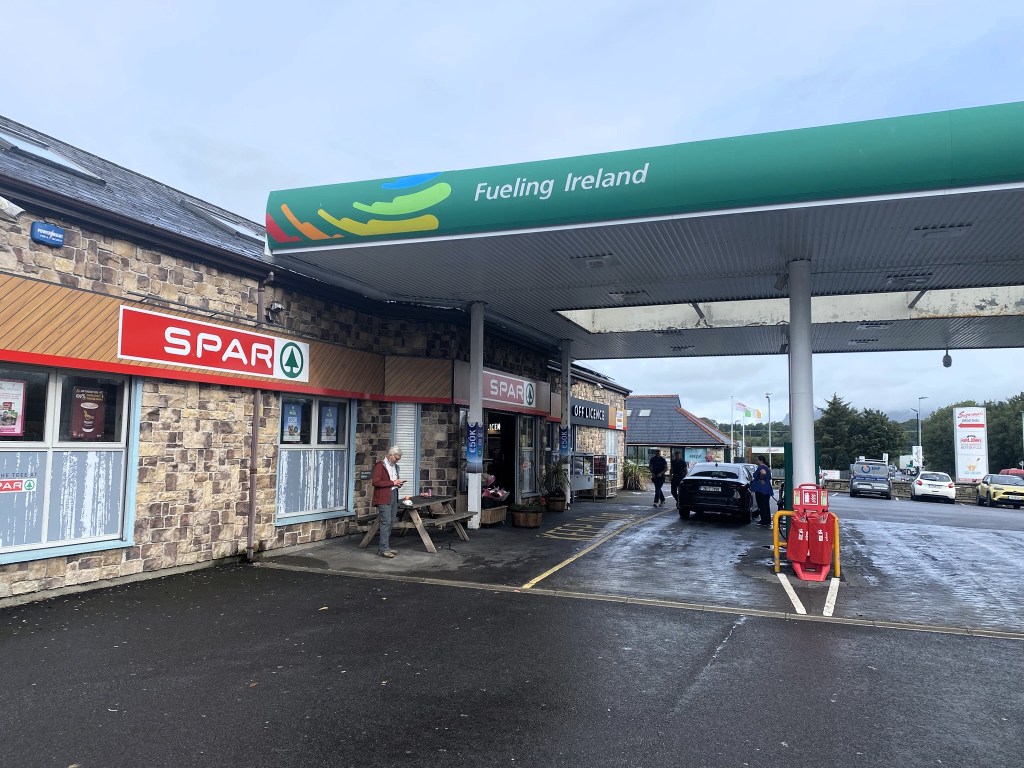
As usual, our first stop was at a Spar to purchase our lunch provisions.
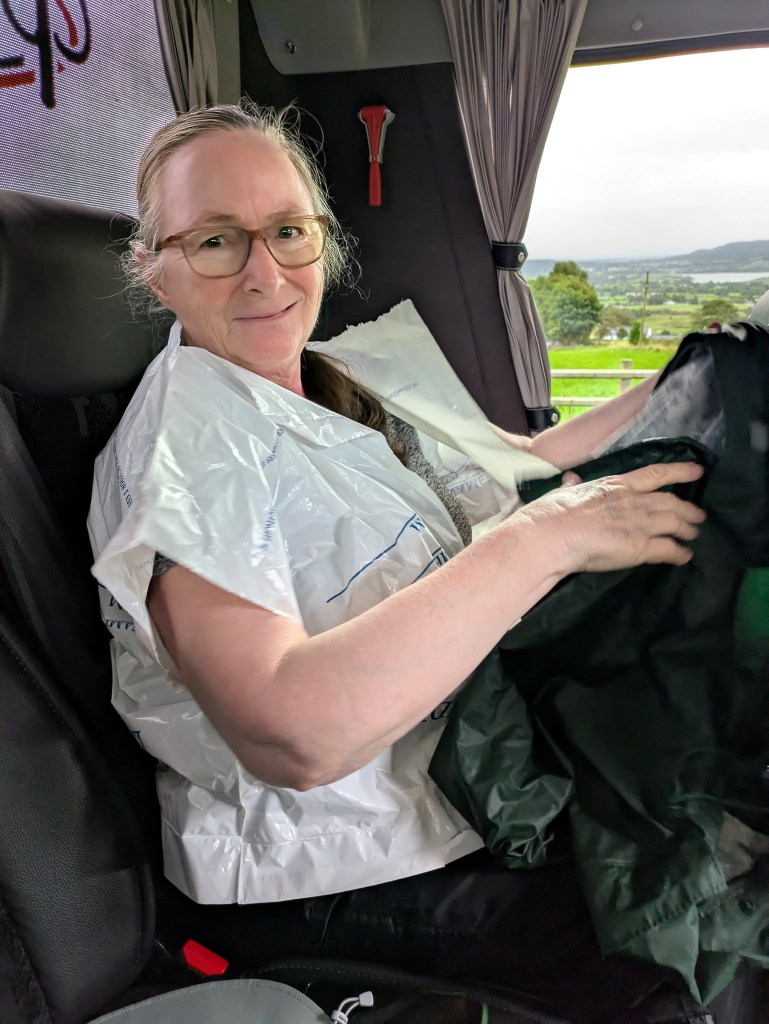
In the end, my homemade liner was ill-fitting and really noisy, so I just hoped for the best with my somewhat porous raincoat.
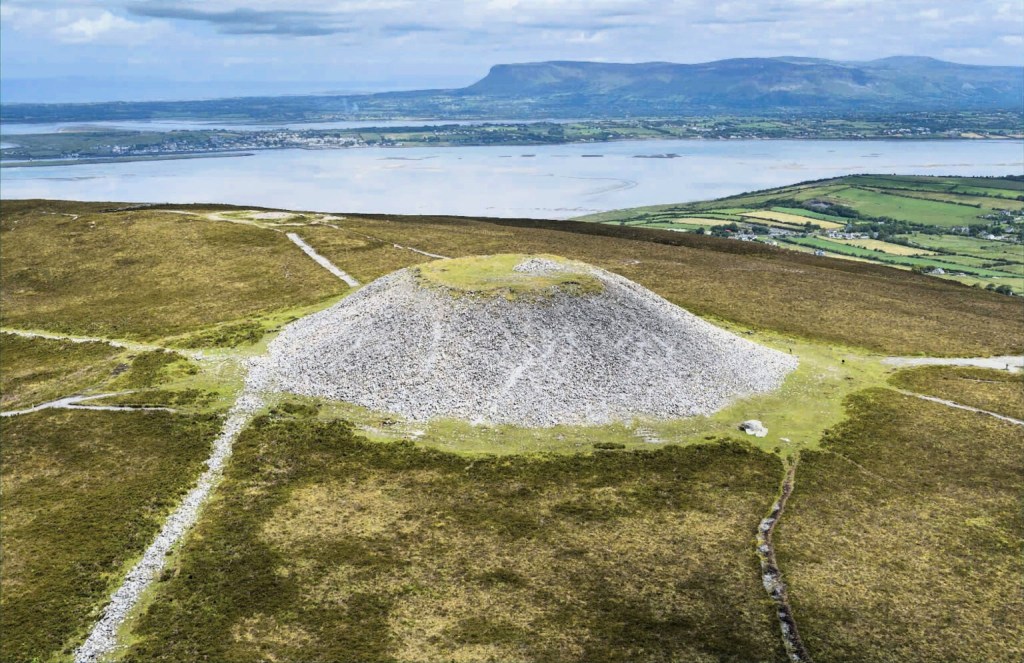
Destination: “Queen Maeve’s” Cairn in Knocknarea (Cnoc na Riabh). It’s never been excavated but is thought to be a Neolithic tomb from 3000 BC.
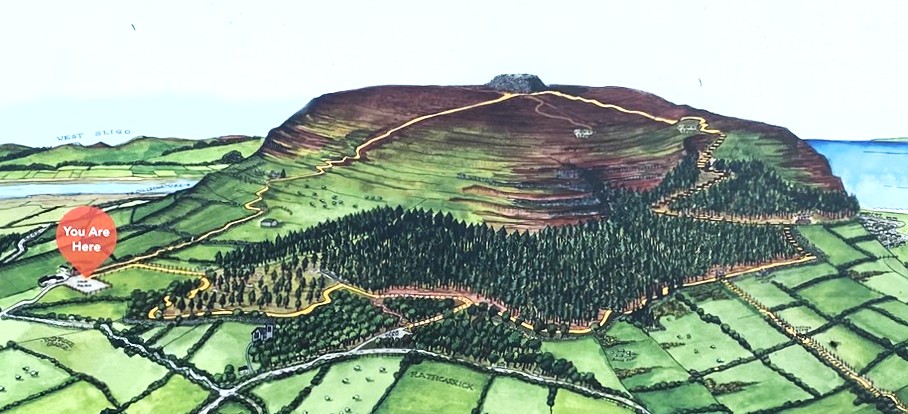
I was happy to see we would be doing a nice loop hike up to the cairn and back through a forested area.
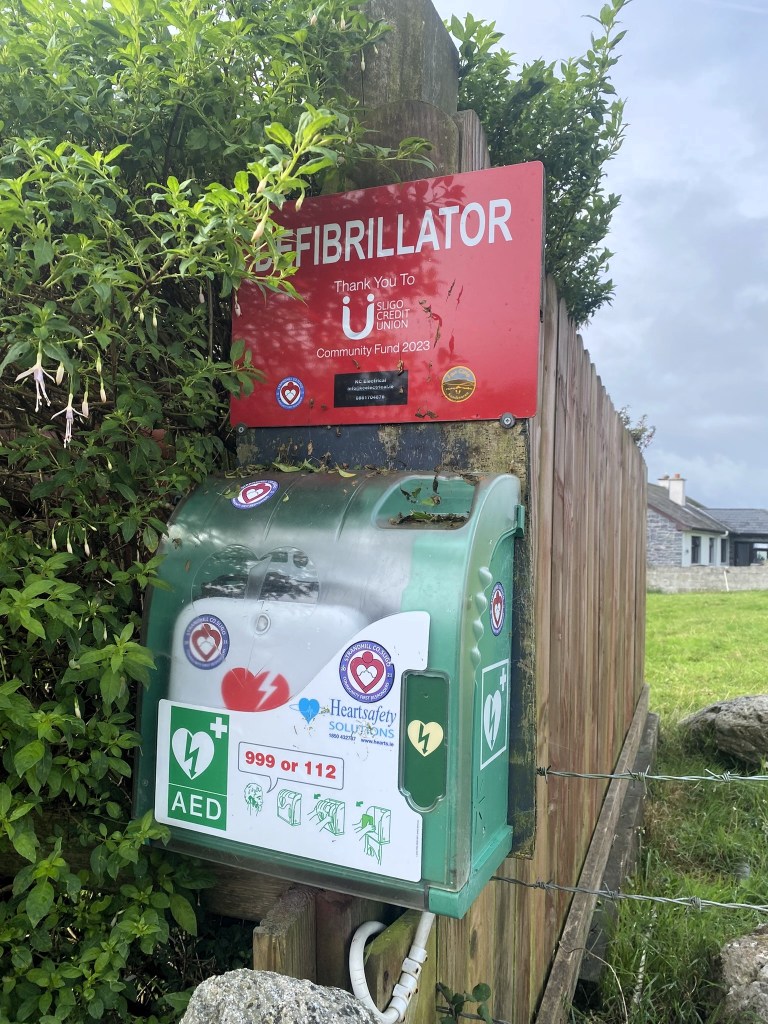
Wow. This must be some hike!
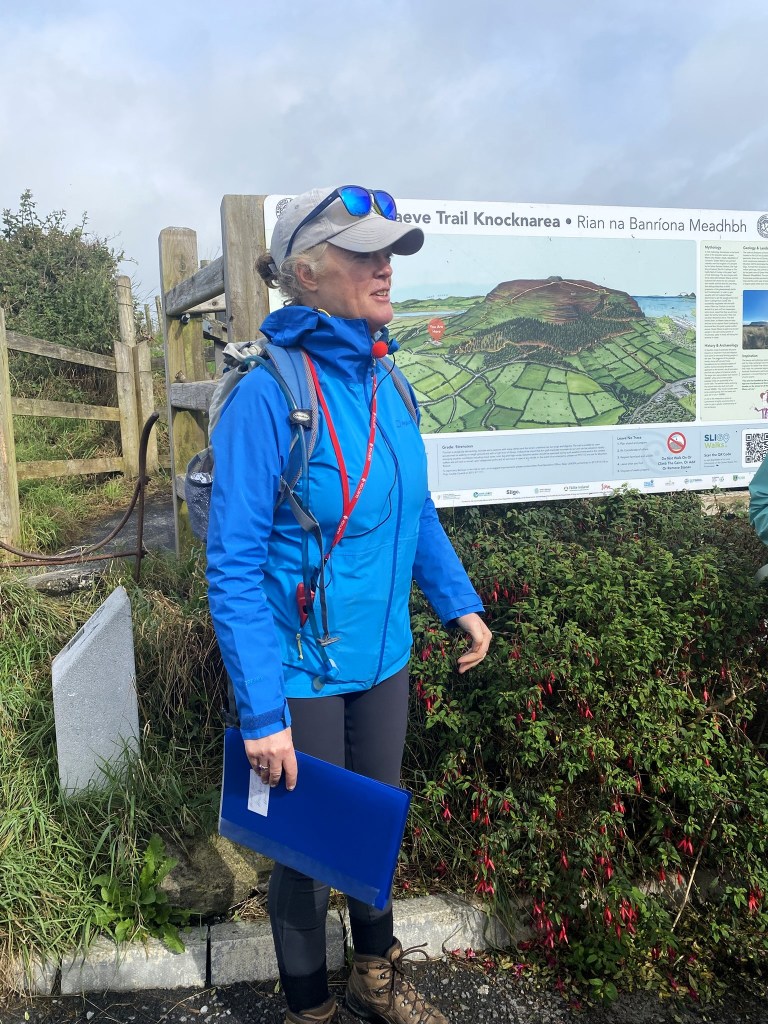
We had a professional guide to teach us about the history and archaeology of the area.
Note to would-be guides: It’s probably not a good idea to start your tour with a long explanation of how you never wanted to remain in Ireland and would have preferred to scuba dive for artifacts in the Mediterranean., not to mention other bitter work experiences along the way to settling for your current job.
Okaaaaay, let’s go hiking!
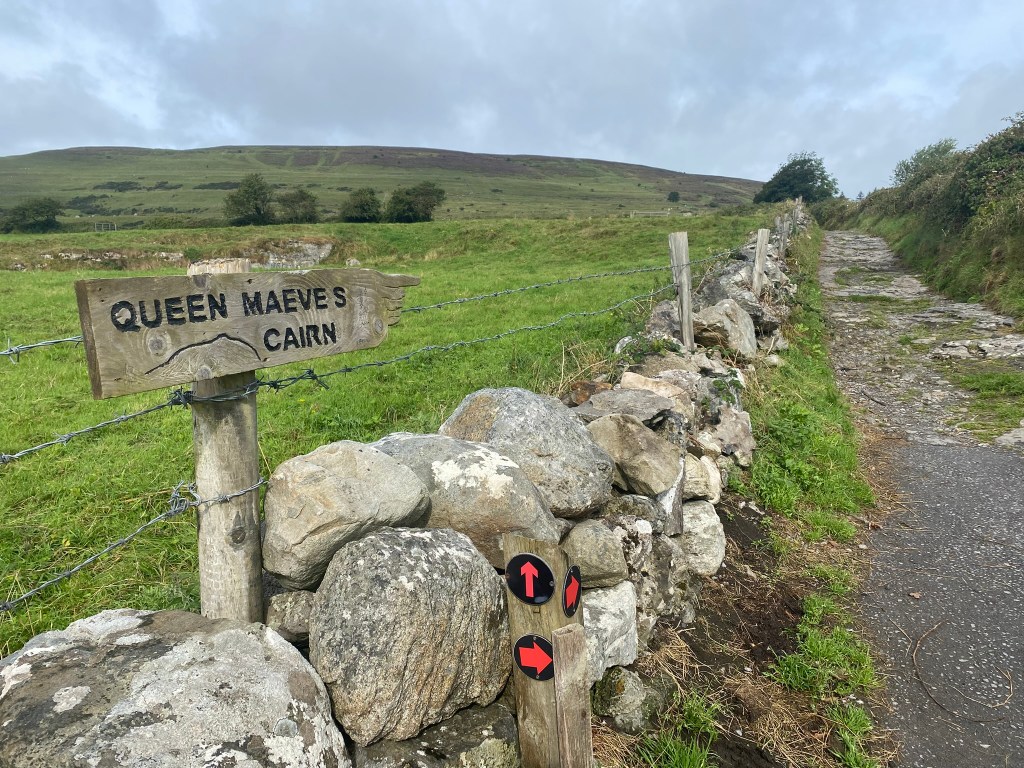
According to medieval Irish mythology, Maeve was a powerful goddess-queen, who now symbolizes female strength, cunning, and leadership.
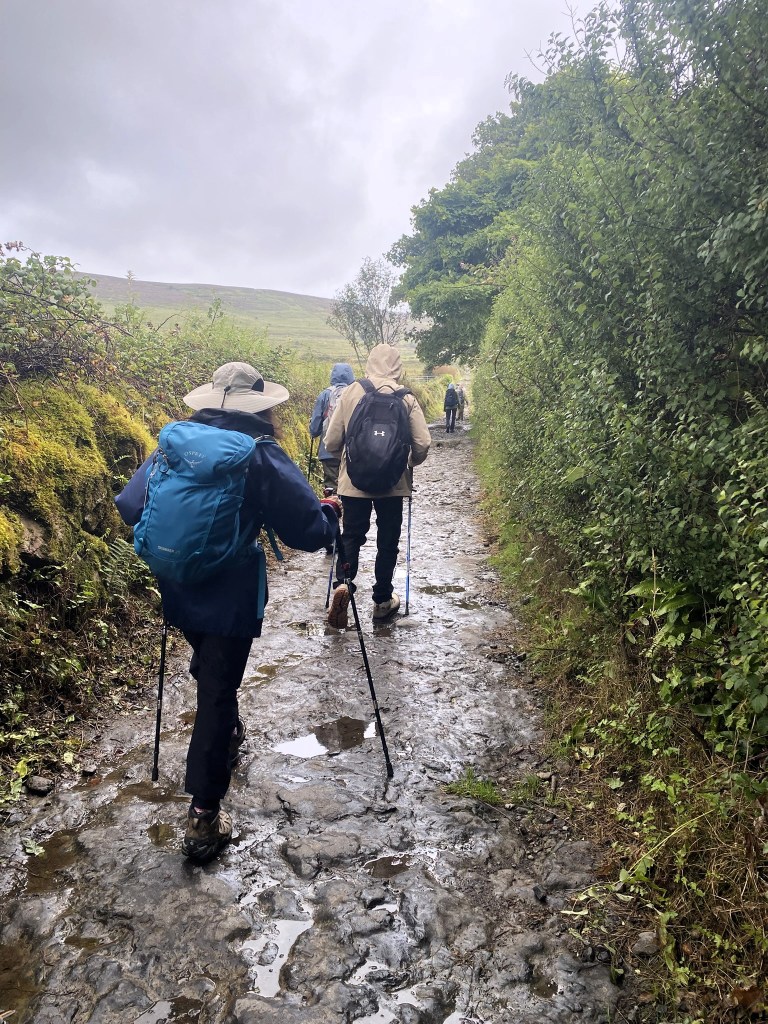
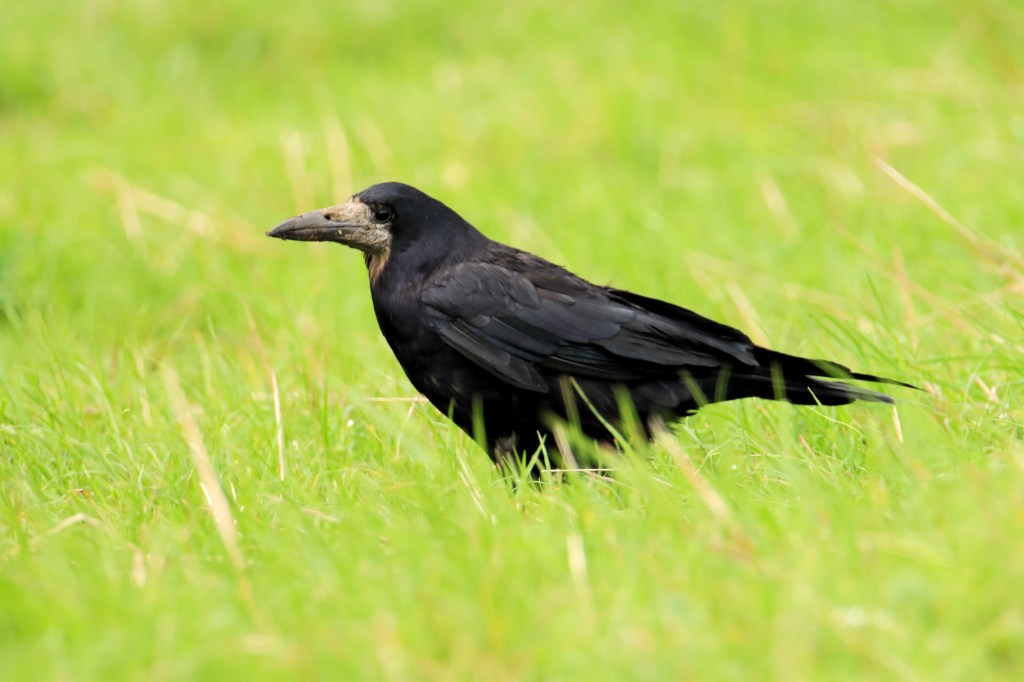
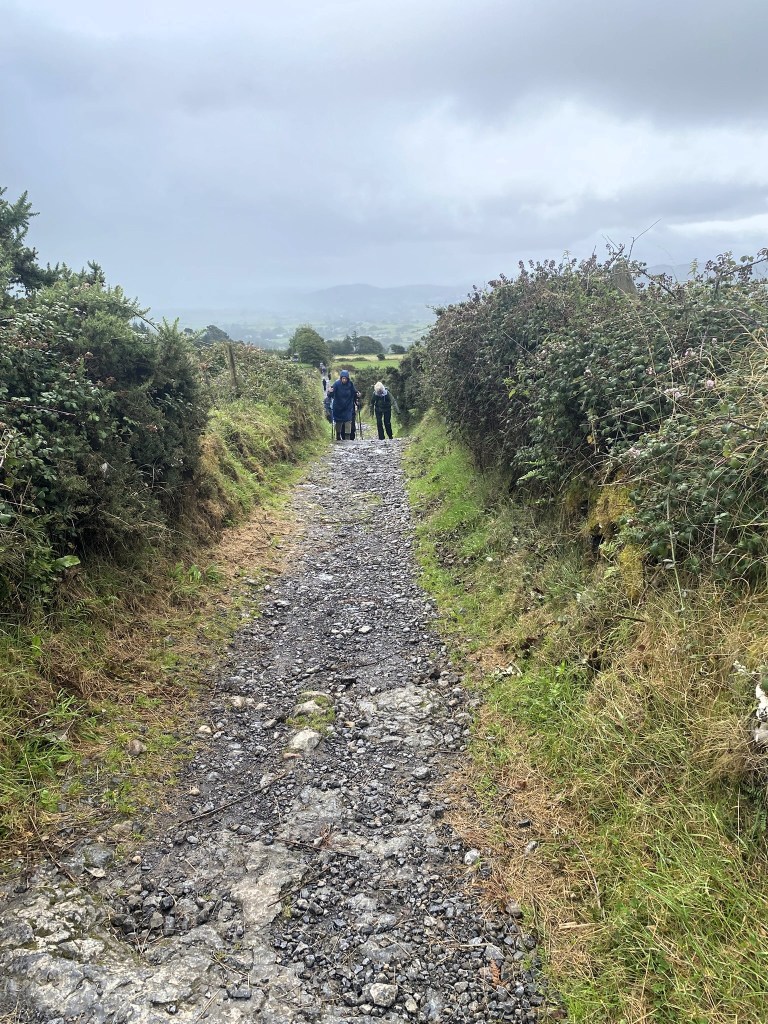
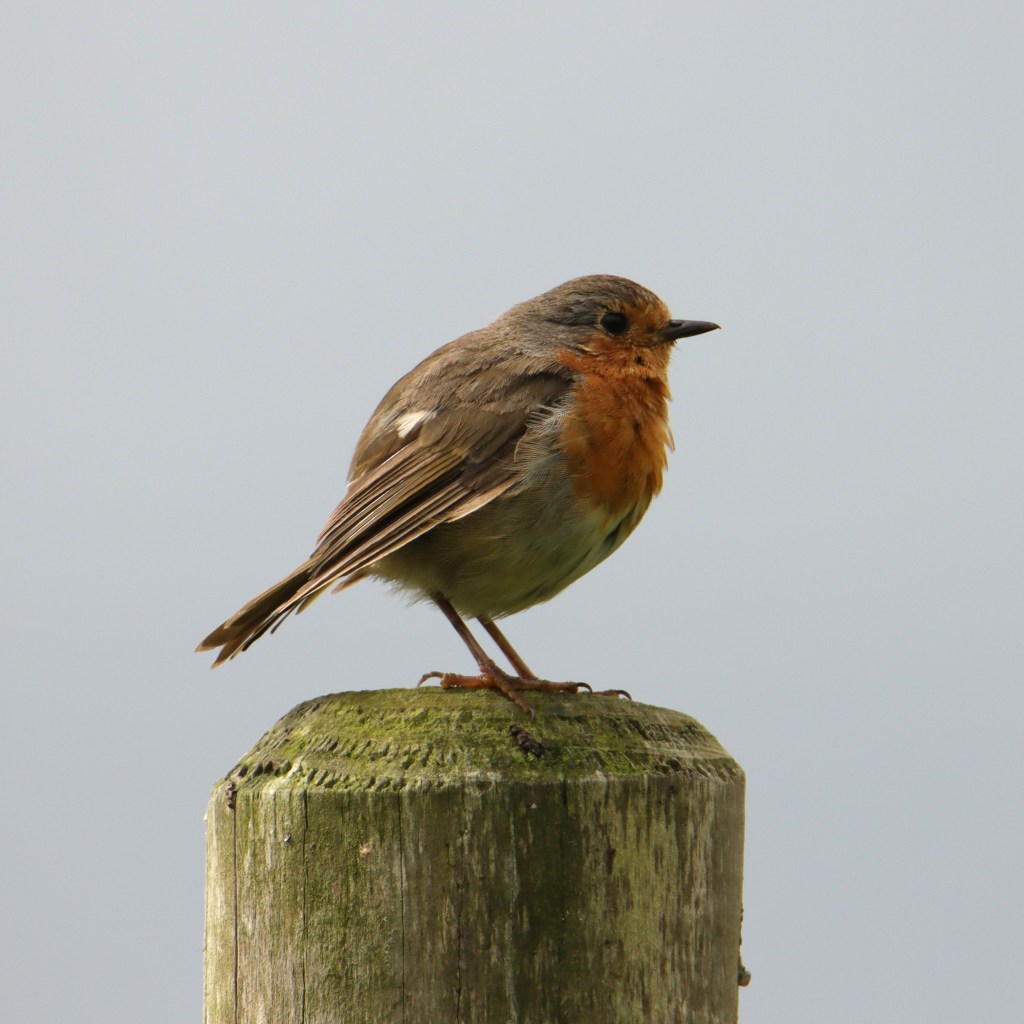
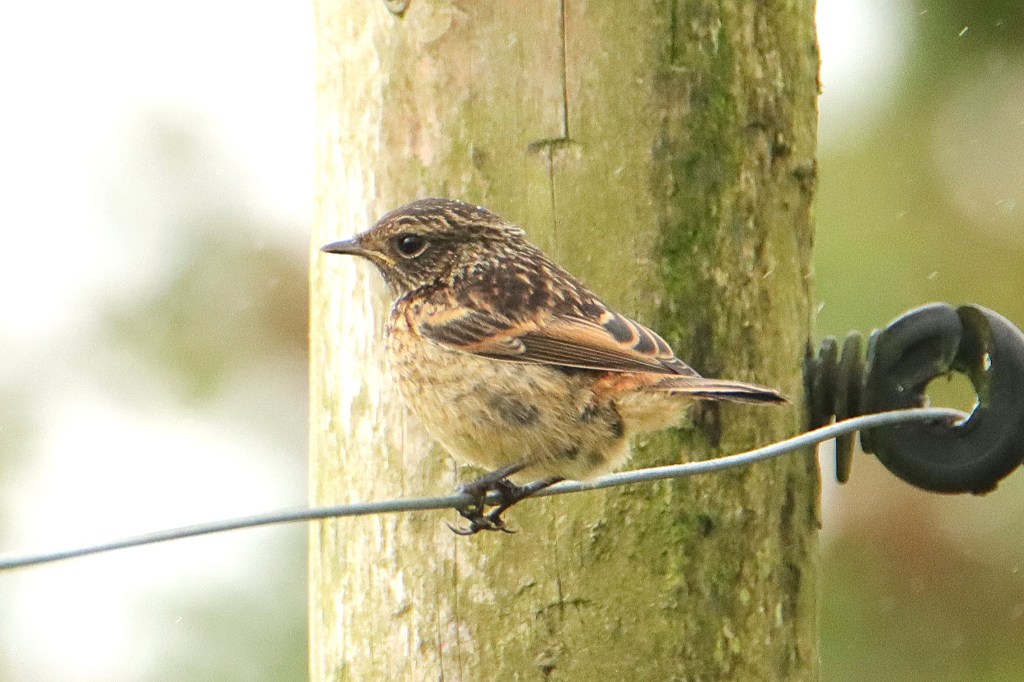
The weather was quite mercurial. As soon as I would get out my zoom lens for an interesting bird, it would start back up raining, and I would have to stow away the camera again. But I did manage a couple of bird photos.
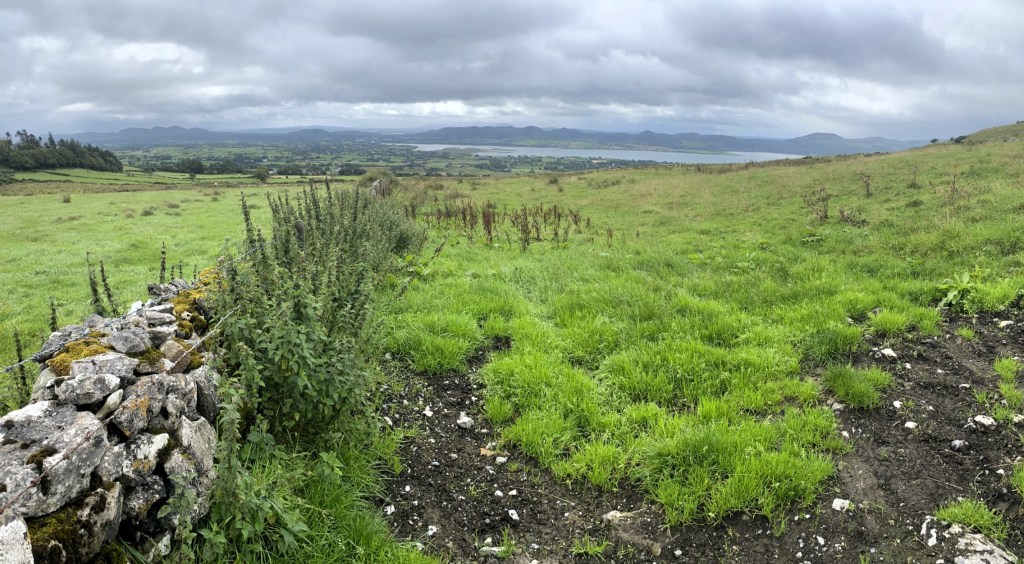
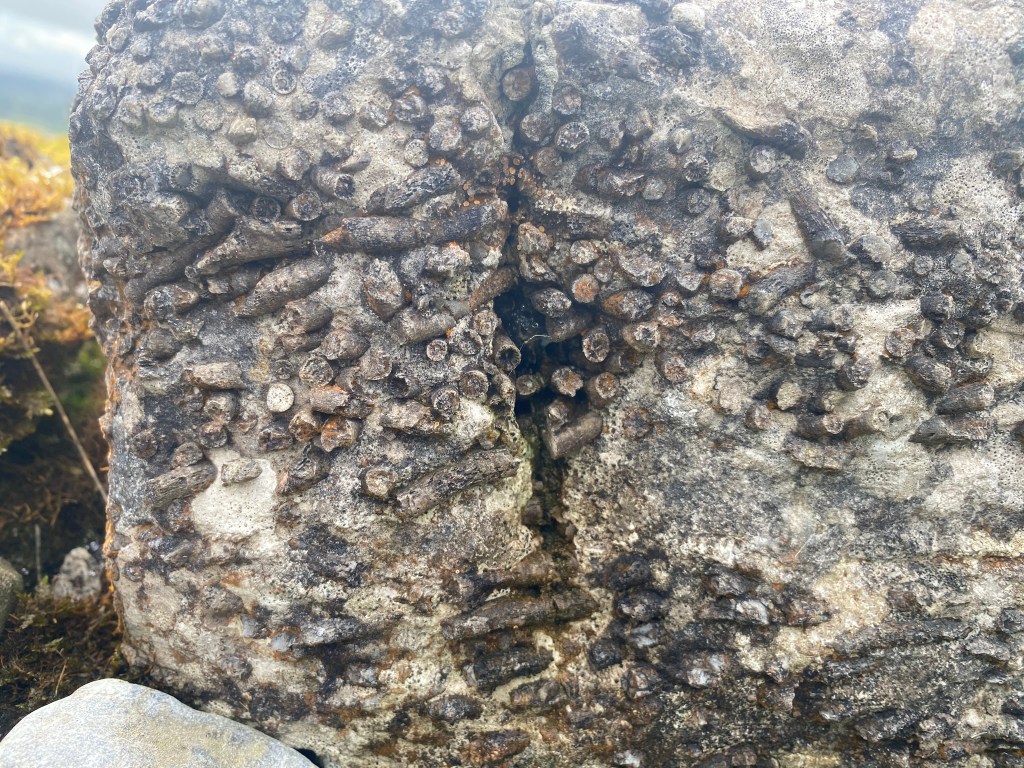
Our guide had an interactive technique that I loathe, which is called “Guess What I Am Thinking.” This involves eliciting a bunch of wrong answers before she finally tells us what we’re looking at.
In this case, we learned that the rocks are limestone, and these little columnar shapes are fossilized coral. That was interesting, but getting to that simple fact took way too much time, provoking way too much irritation.
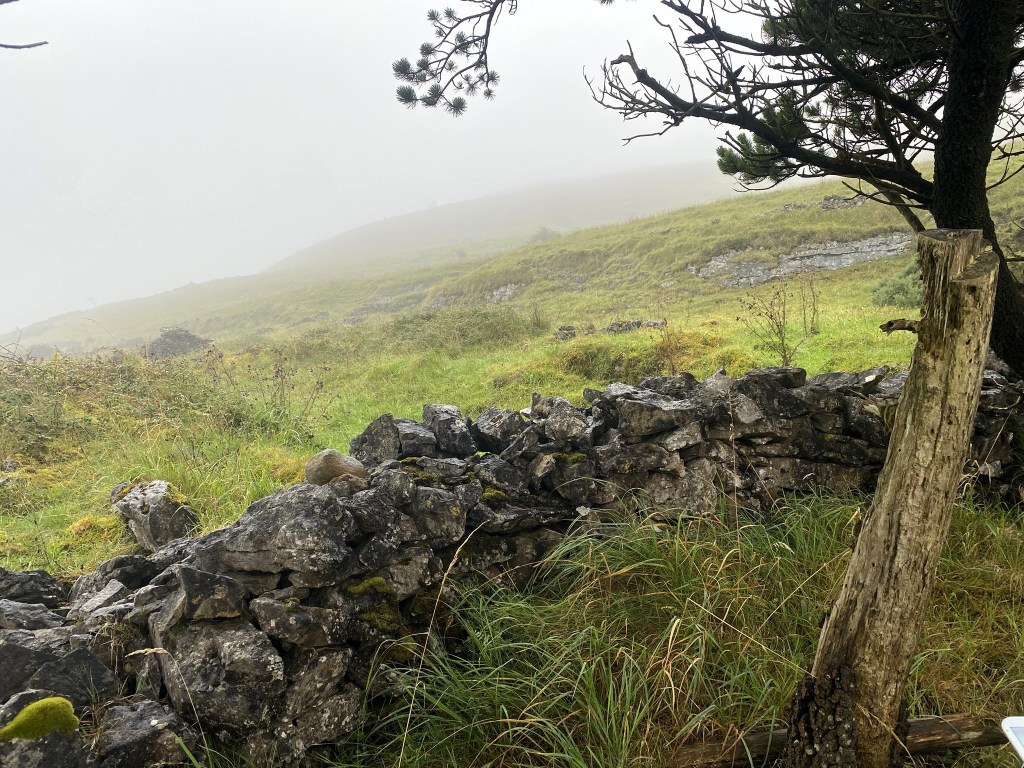
The small farm at this spot was abandoned during the famine years.
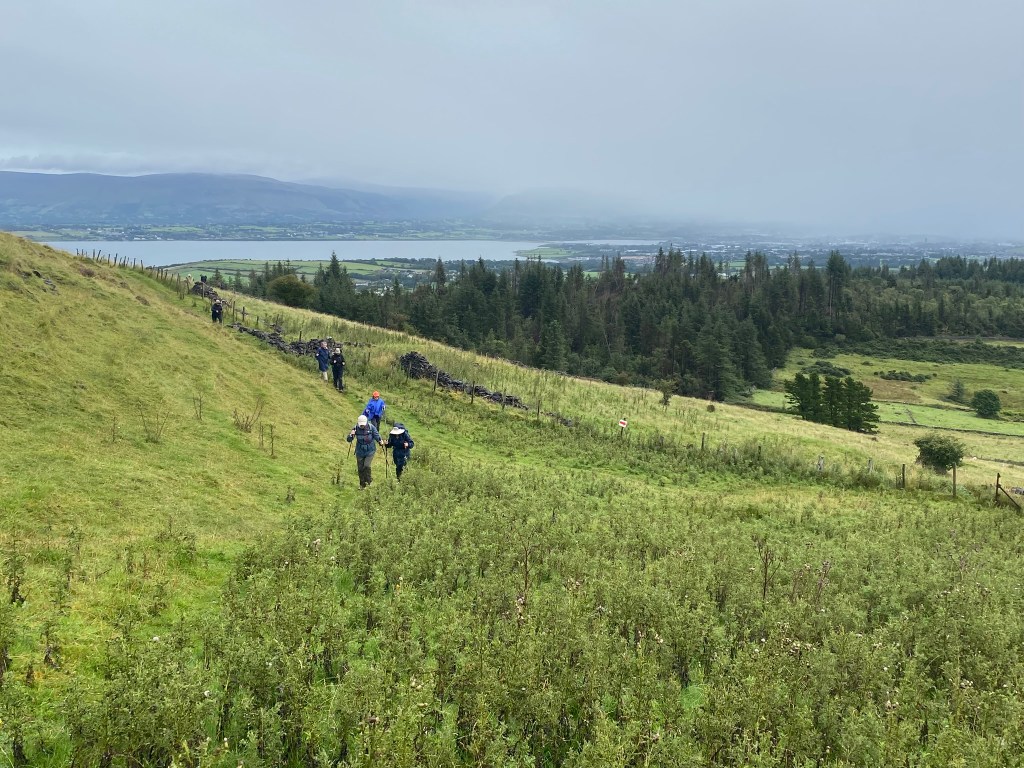
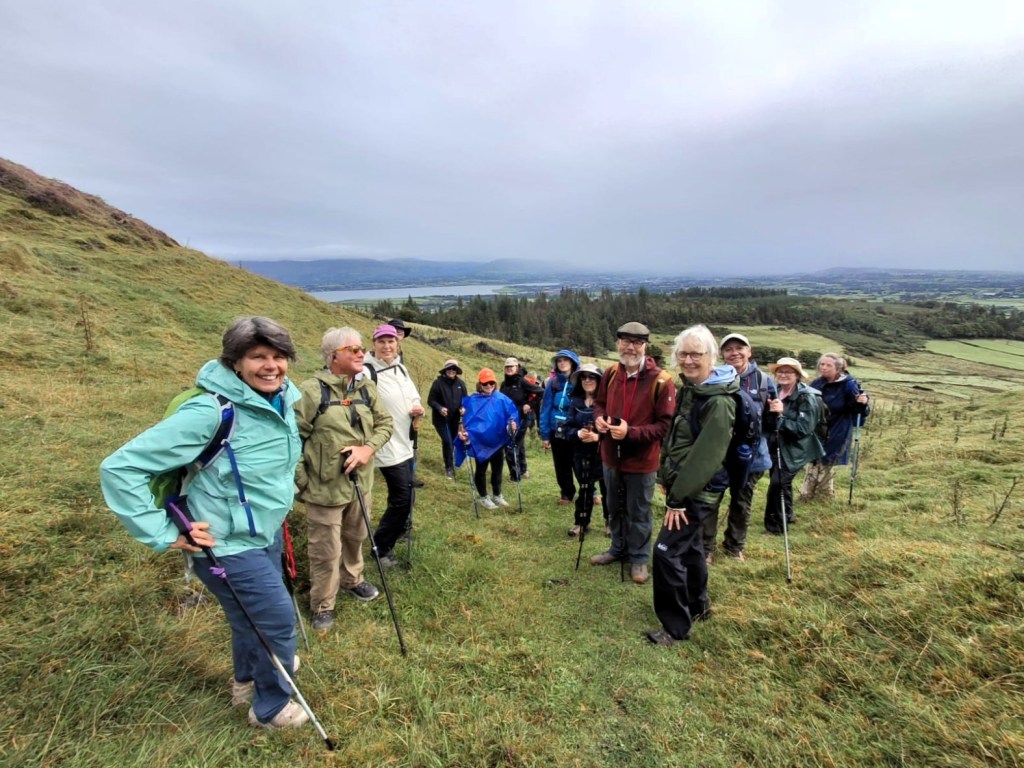
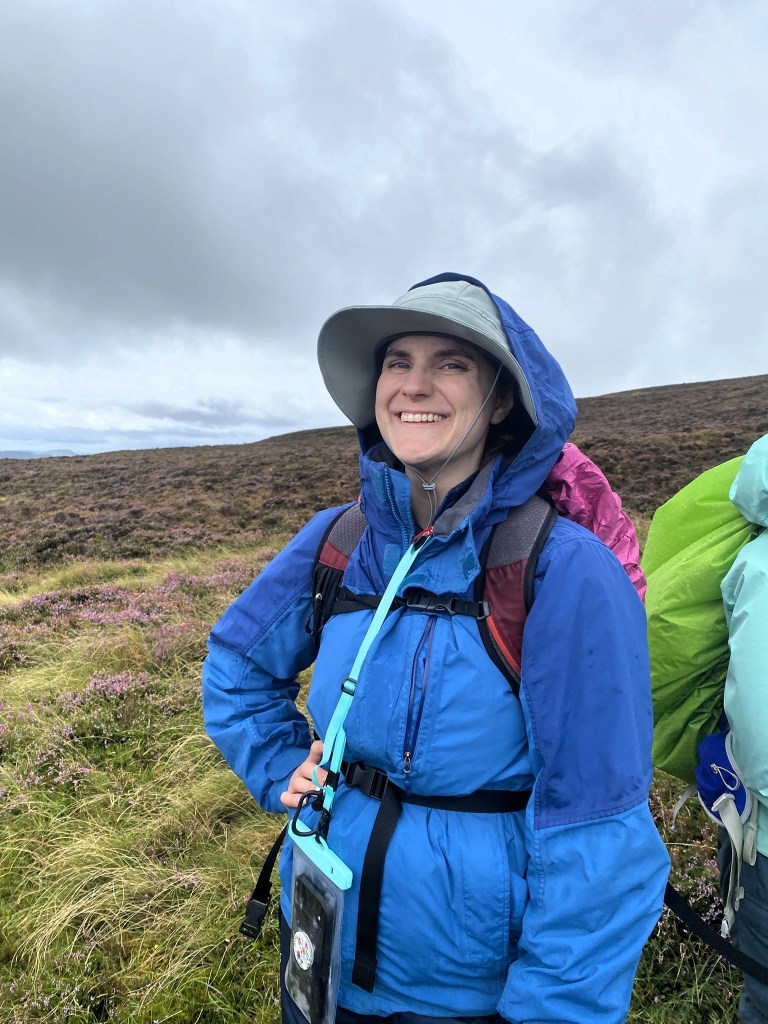
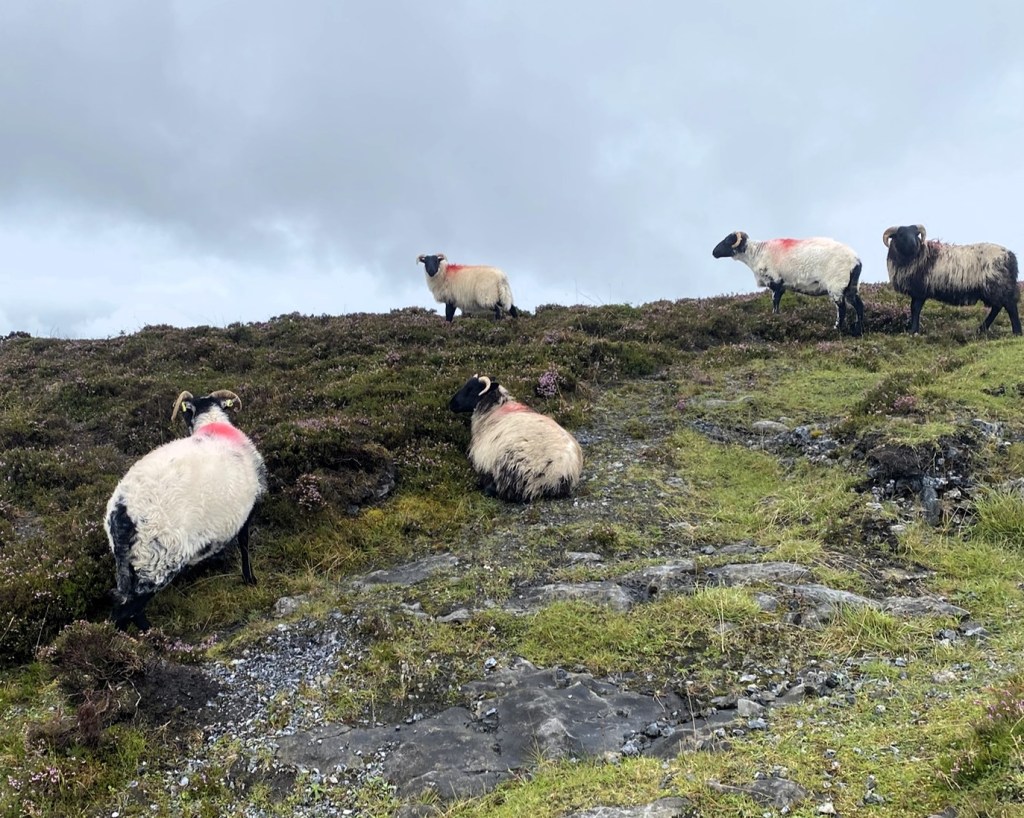
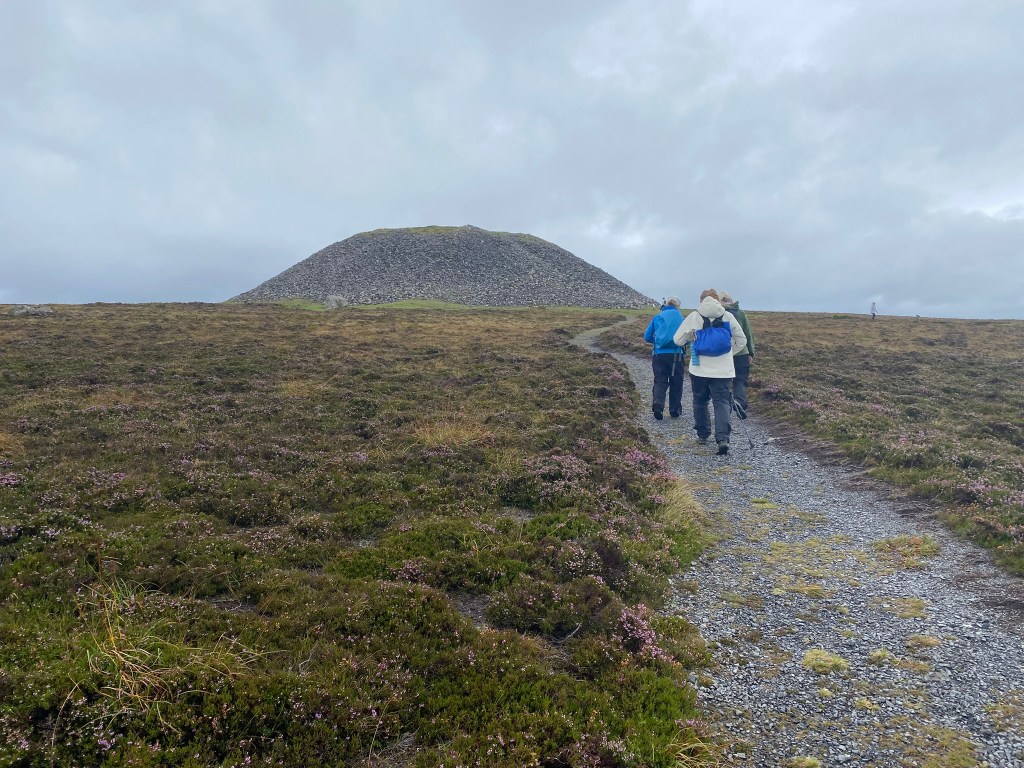
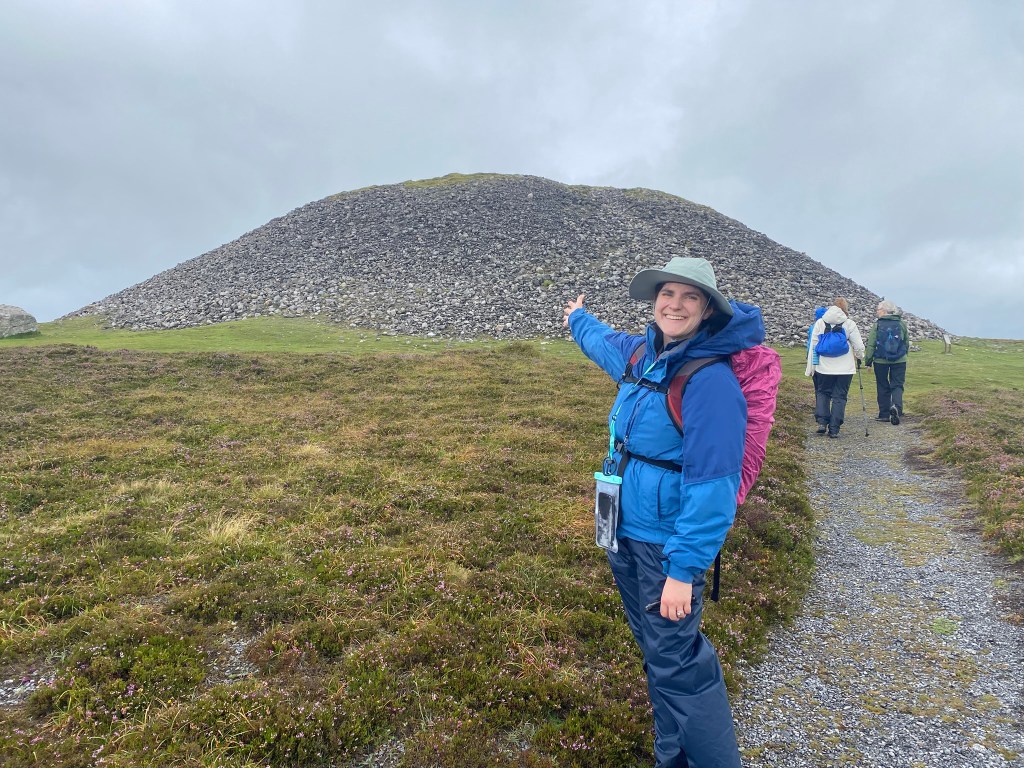
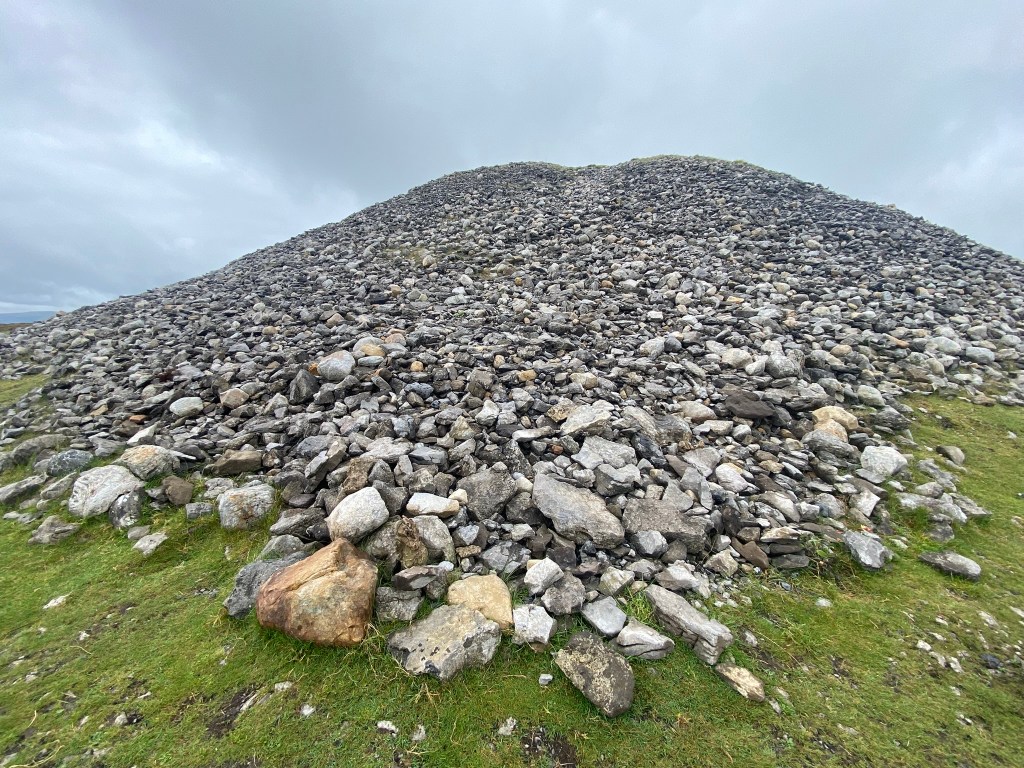
The huge cairn was super-cool.
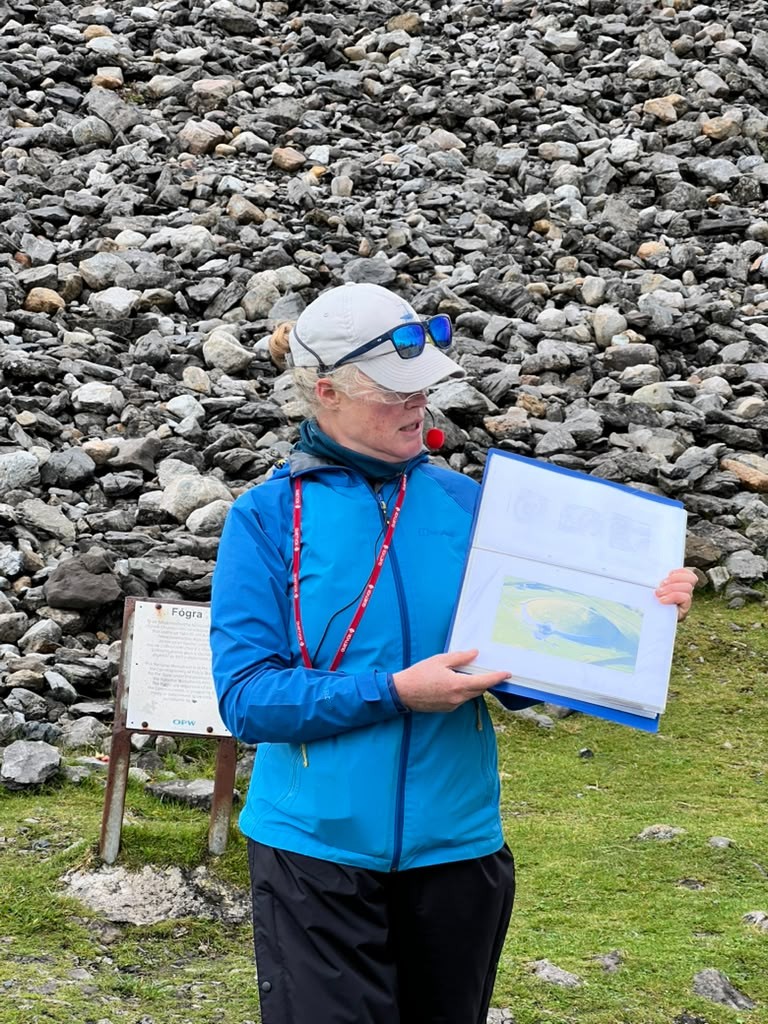
I finally decided I would be happier with this hike if I minimized interaction with the guide, so I simply turned off my listening device and wandered around nearby to enjoy the scenery while she was going on (and on…)
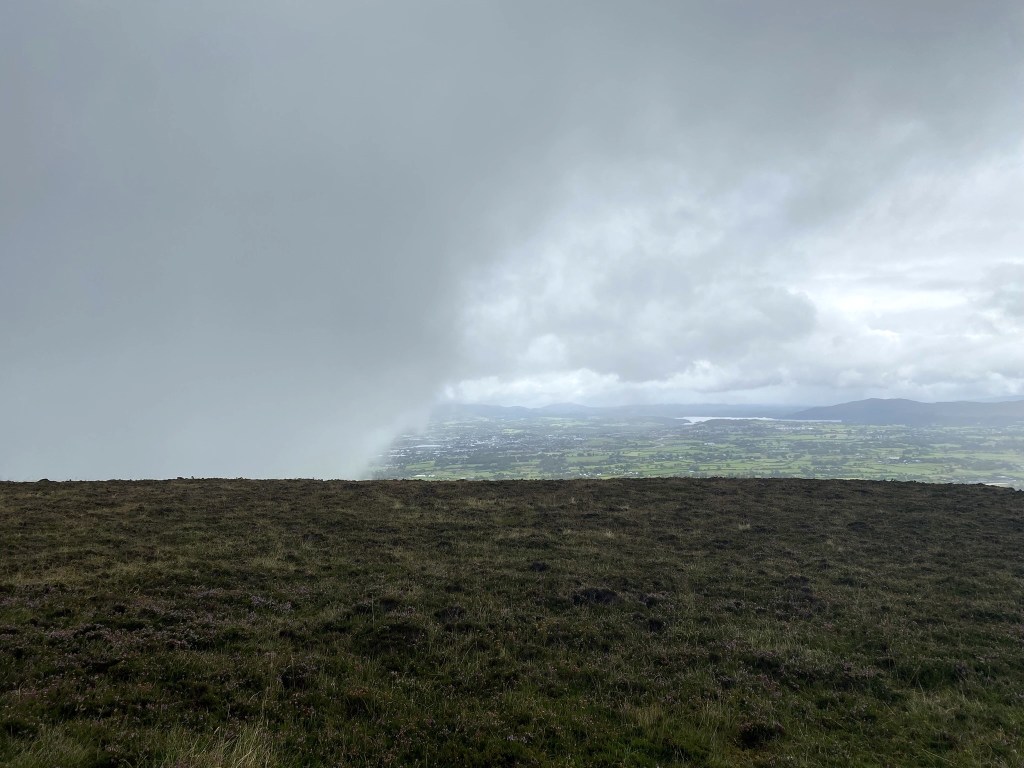
Can you see the cloud descending upon us from the left?
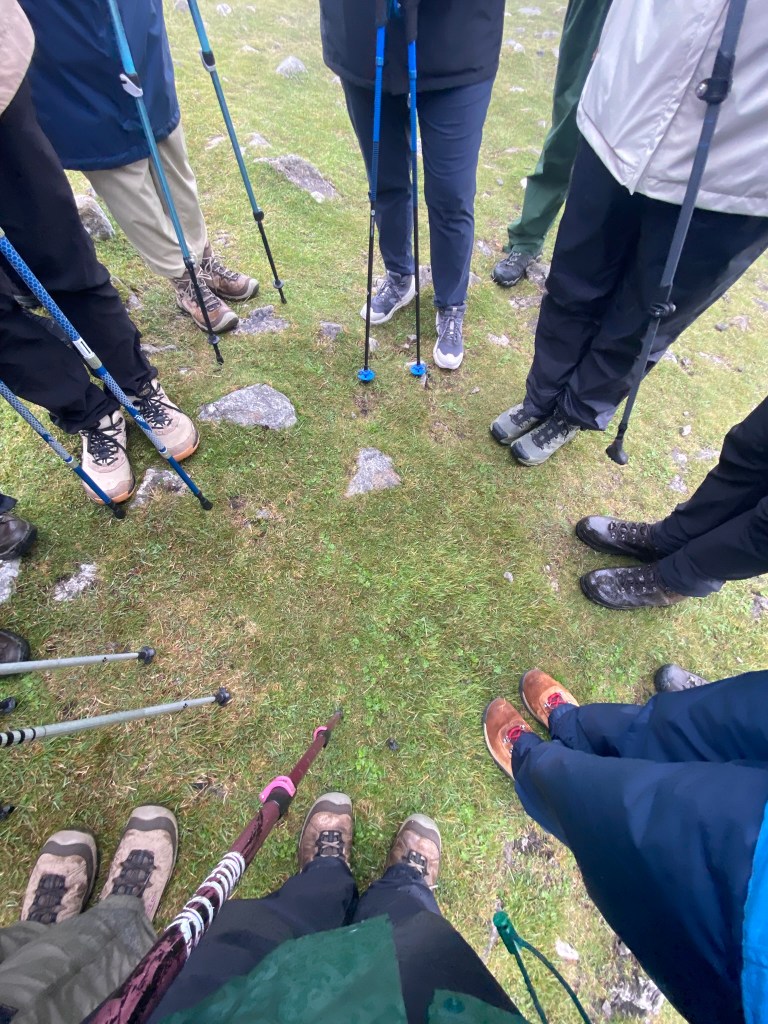
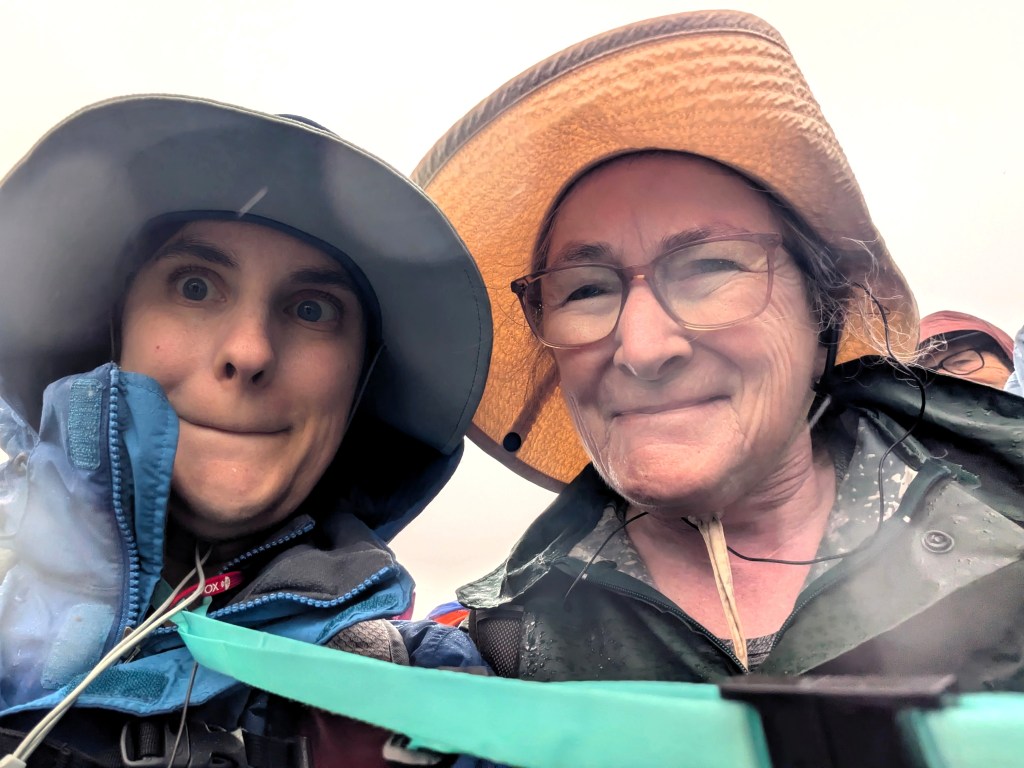
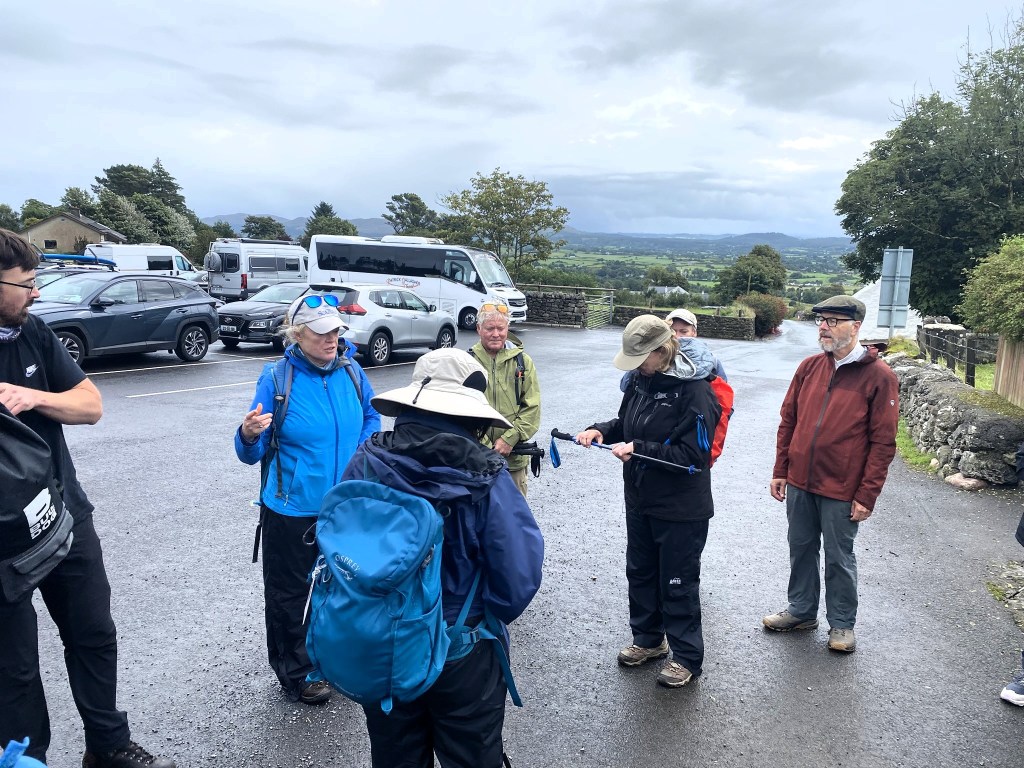
It got so windy and wet that we actually huddled together in a herd for mutual protection until the worst of it was over.
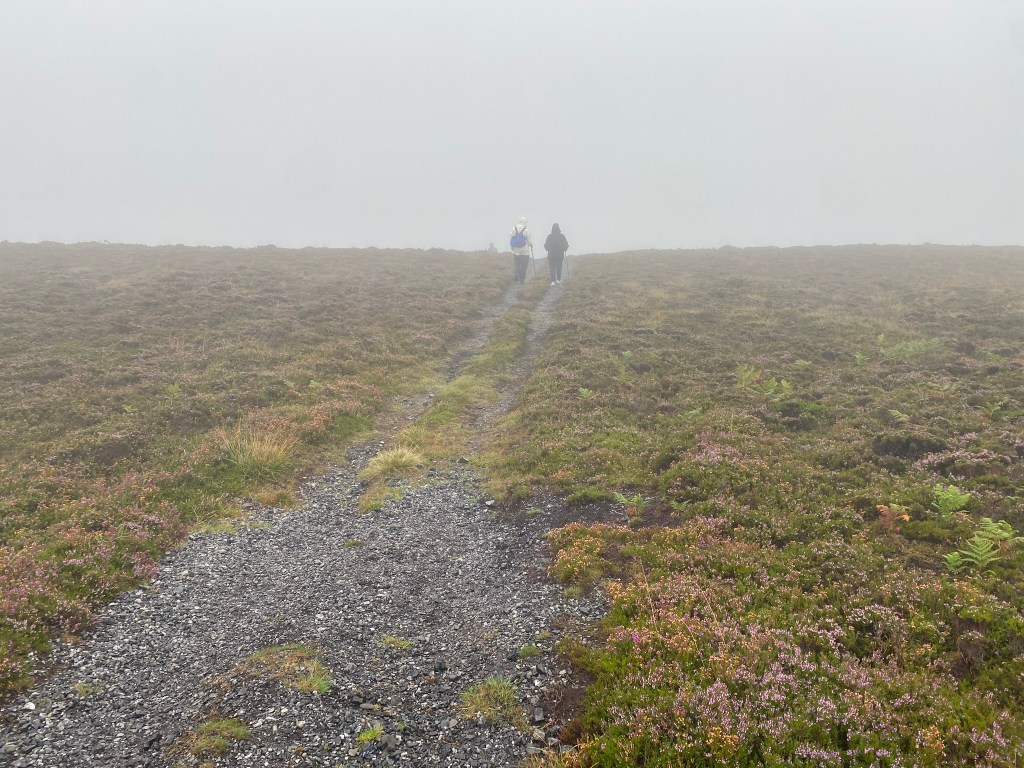
As we began our descent, it became clear that we were not doing the anticipated big loop, but just heading right back down to the bus.
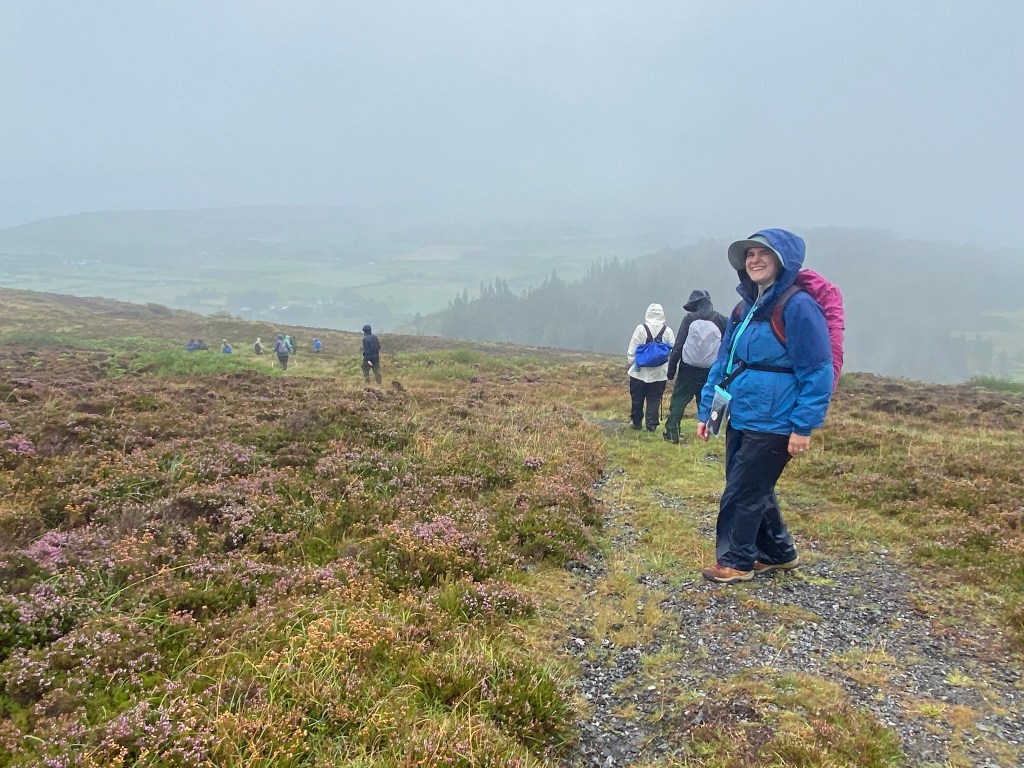
Guide decision? Road Scholar decision?
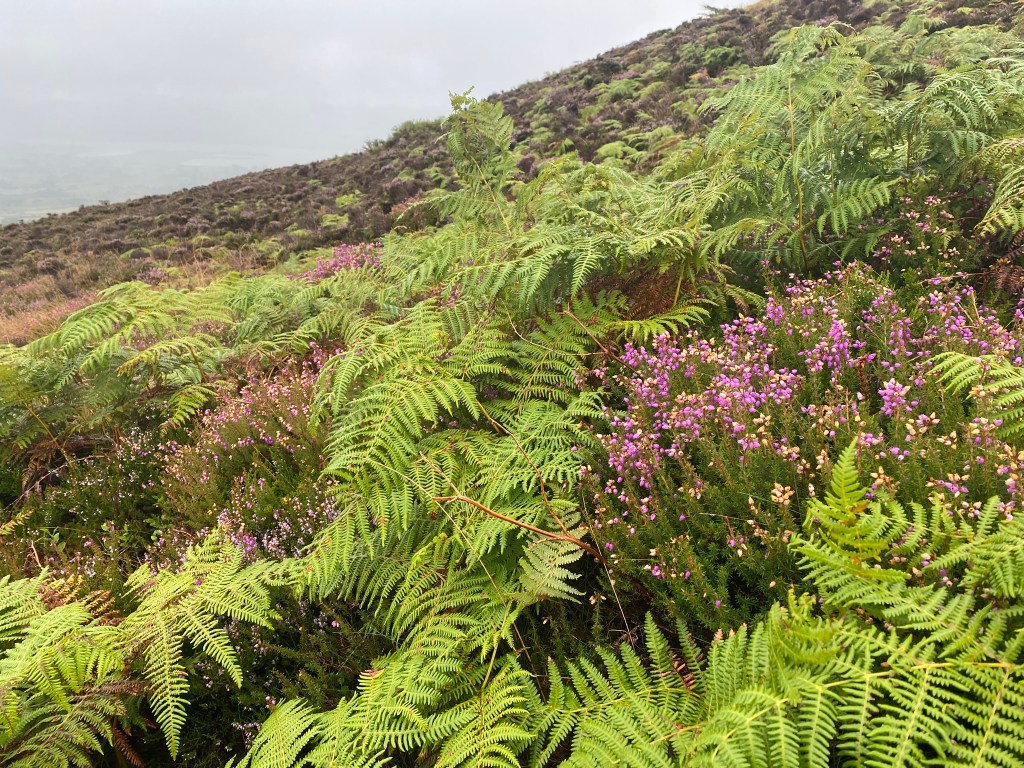
I was disappointed, since this seemed like such a perfect place to do a longer hike, which many of us were hoping for by this point in the week.
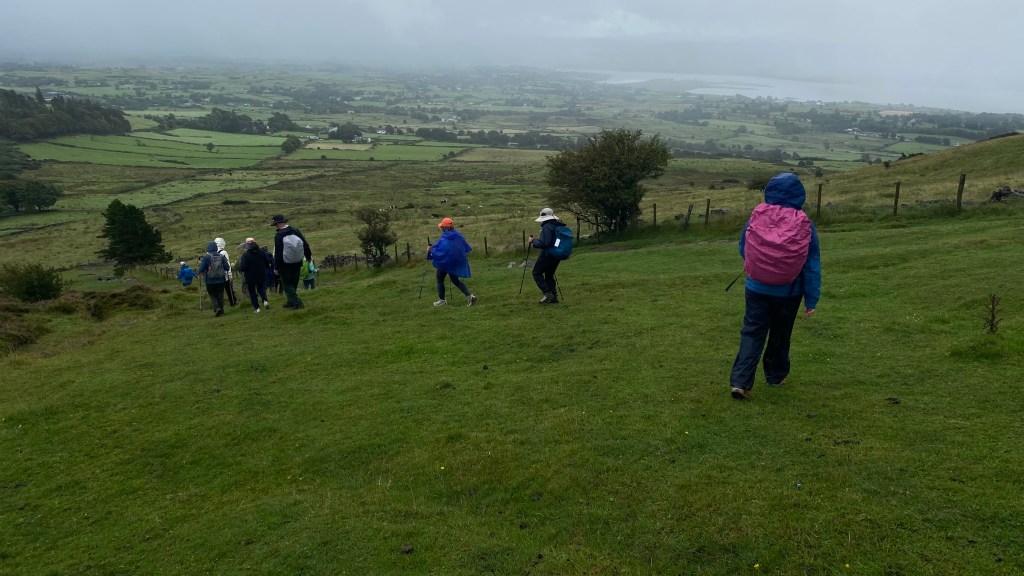
Oh, well. You’re not in control of those types of choices on a group tour.
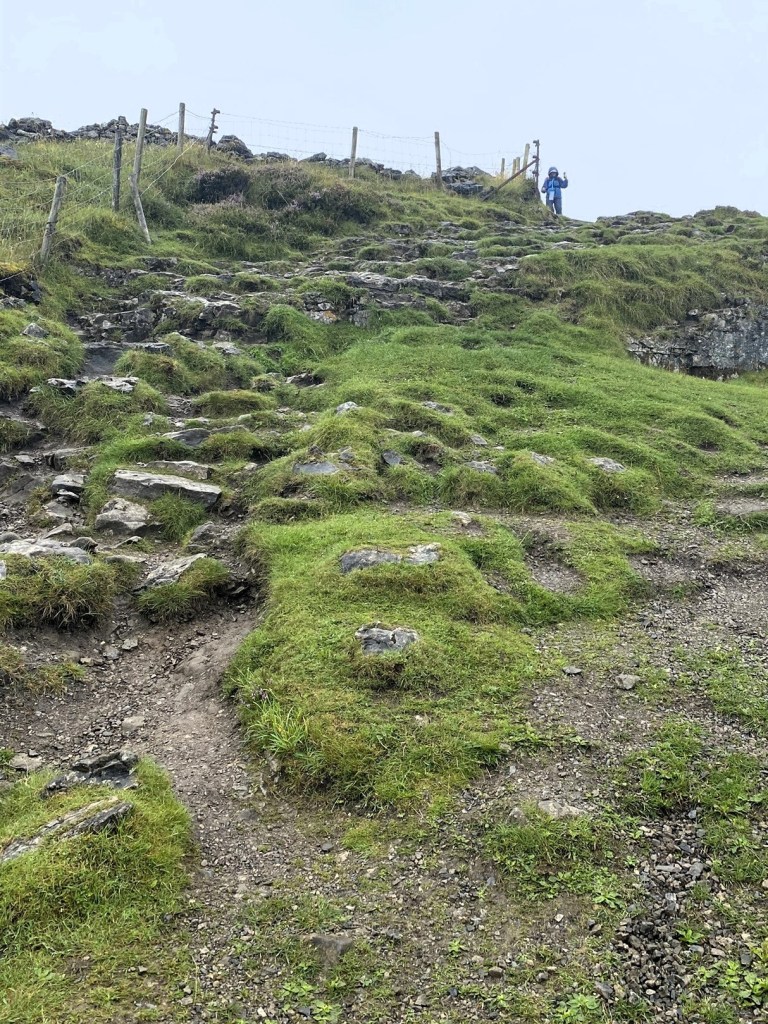
Around noon each day, Nancy would make a call home to check in with her husband and young daughter on the phone. Careful on those slick rocks, Nancy!
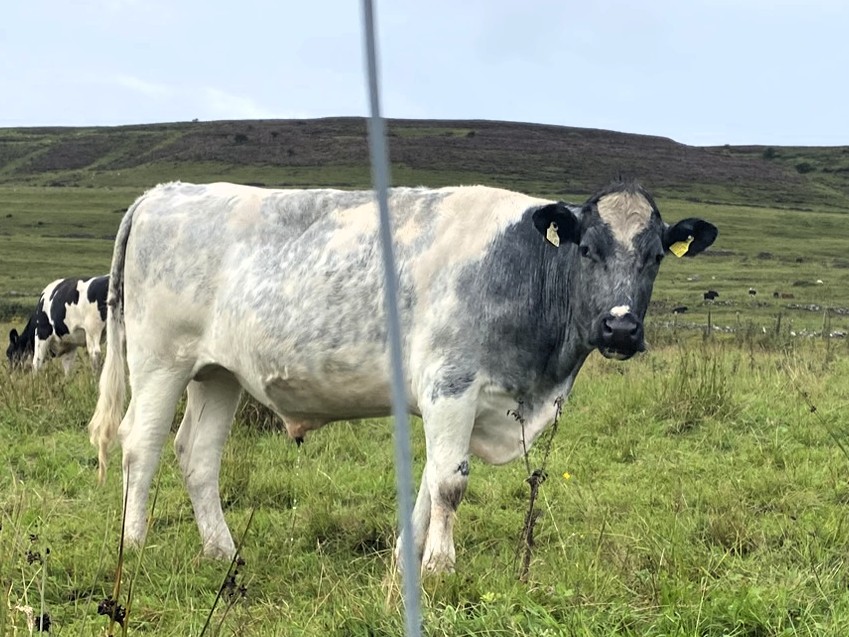
Unlike England, there is no “freedom to roam” in Ireland, so the trail and cairn are open to the public only with the permission of the landowners. Many interesting archaeological sites are inaccessible, as most of the Irish are quite fierce about property rights and trespass. Given their history with the British, it’s understandable.
After the conclusion of the guided hike, we ate our lunch on the bus as we continued on to the city of Galway.
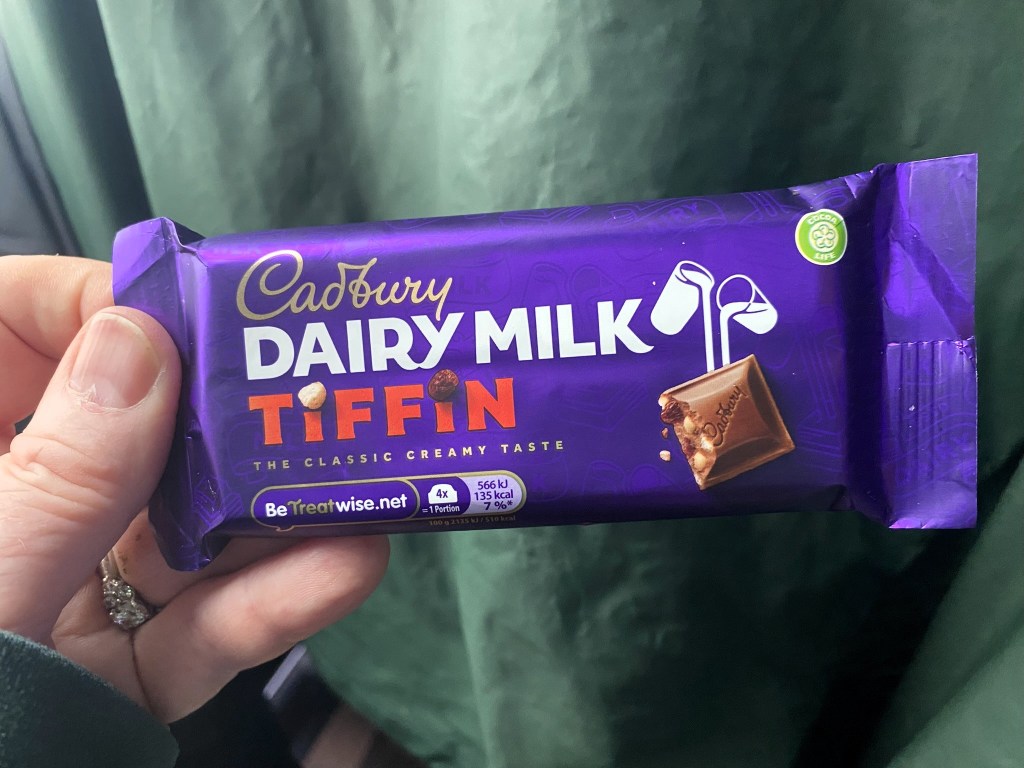
Time for a mood enhancer!
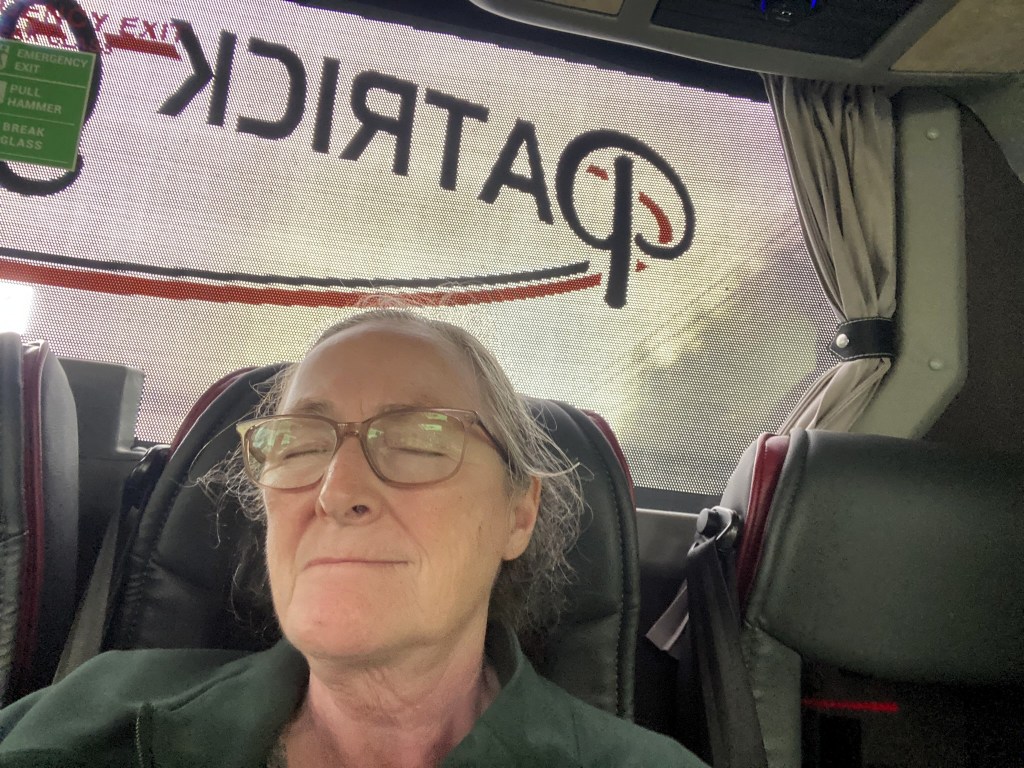
And a little serenity nap.
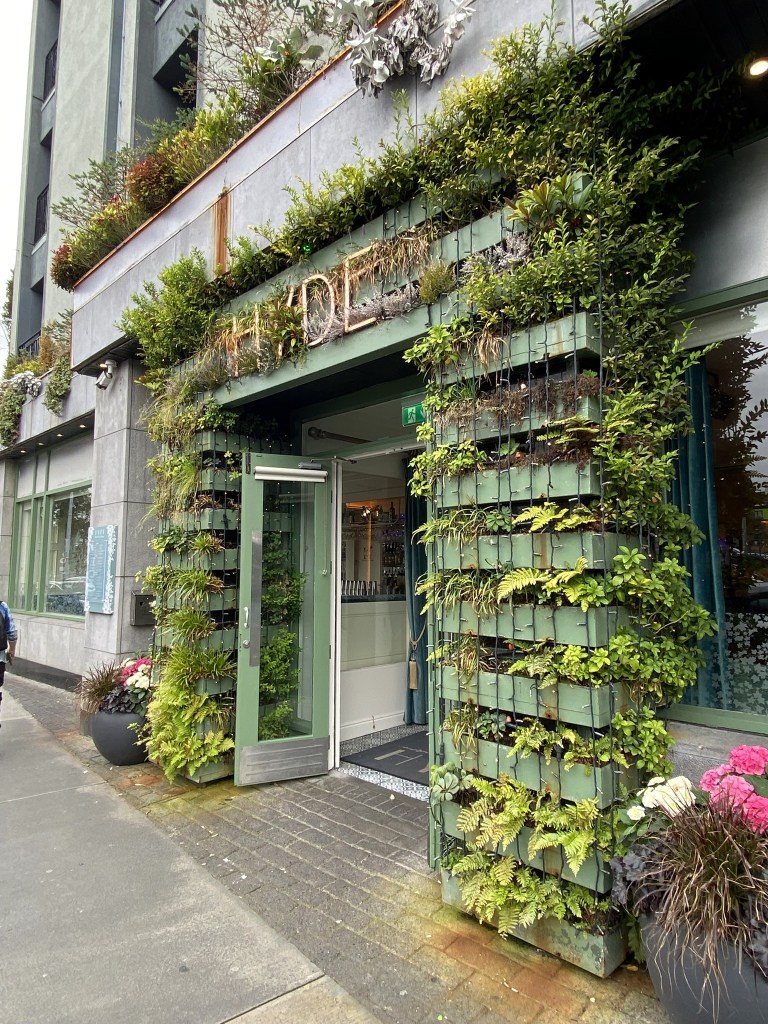
Our very pleasant hotel in Galway (Gaillimh = “stony”)
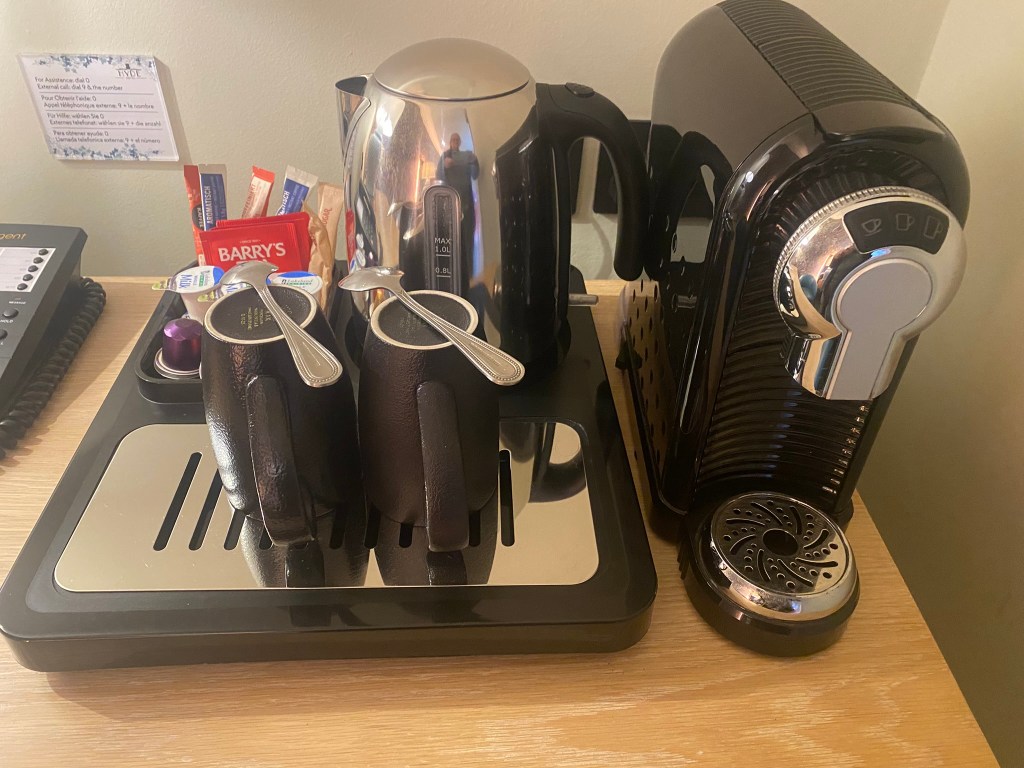
First thing while unpacking and spreading out raingear to dry, I always made myself a hot drink.
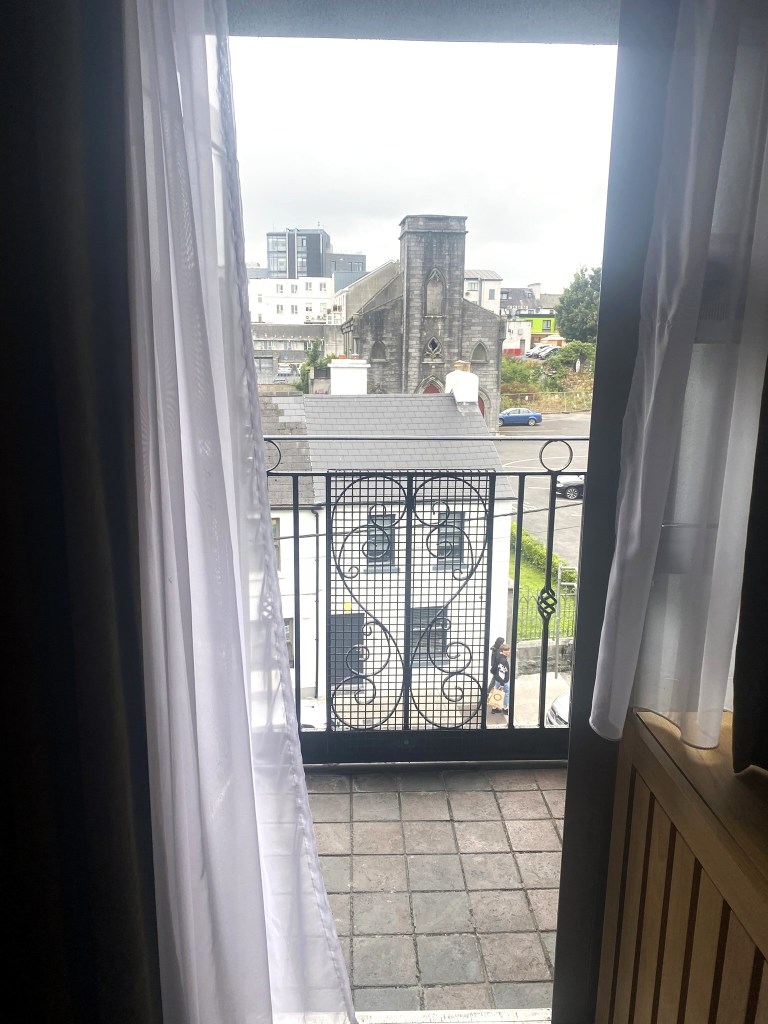
My room had a little balcony where I could step out and take some bird shots.
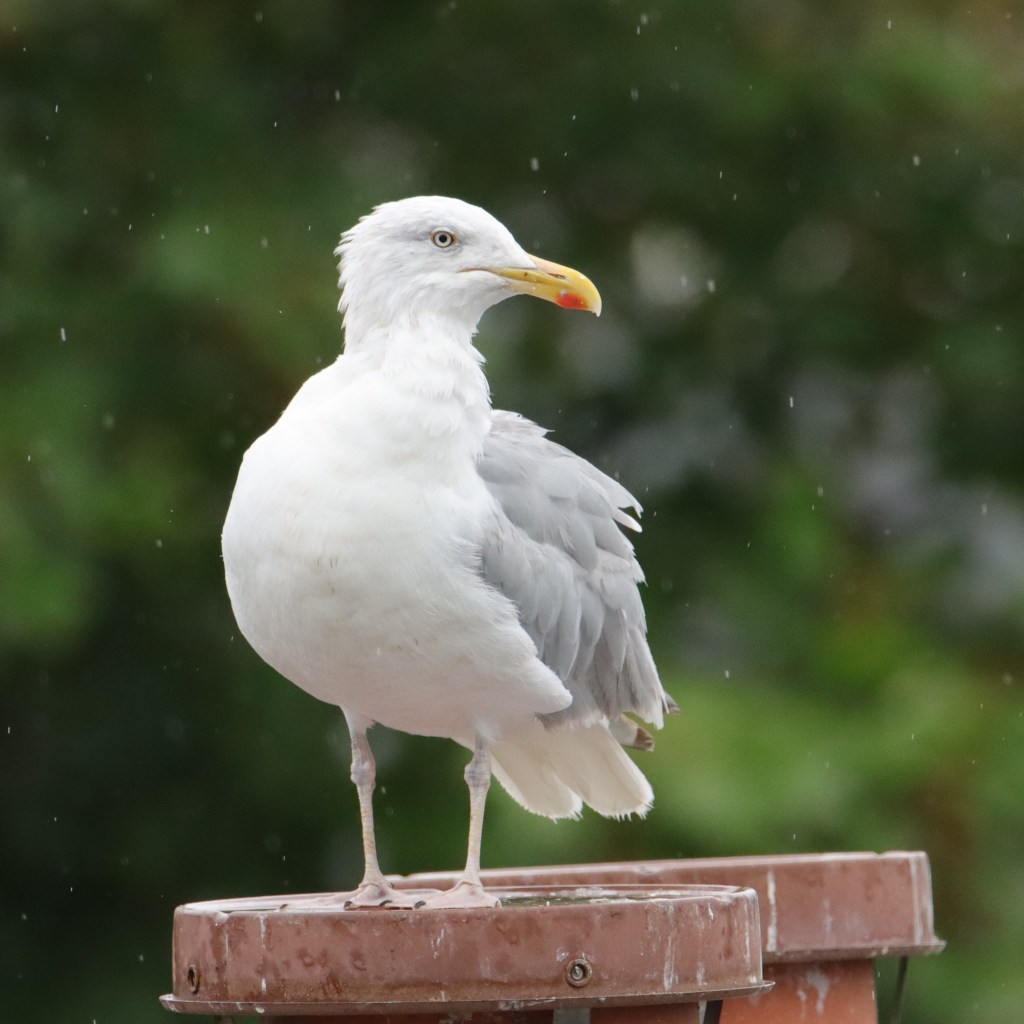
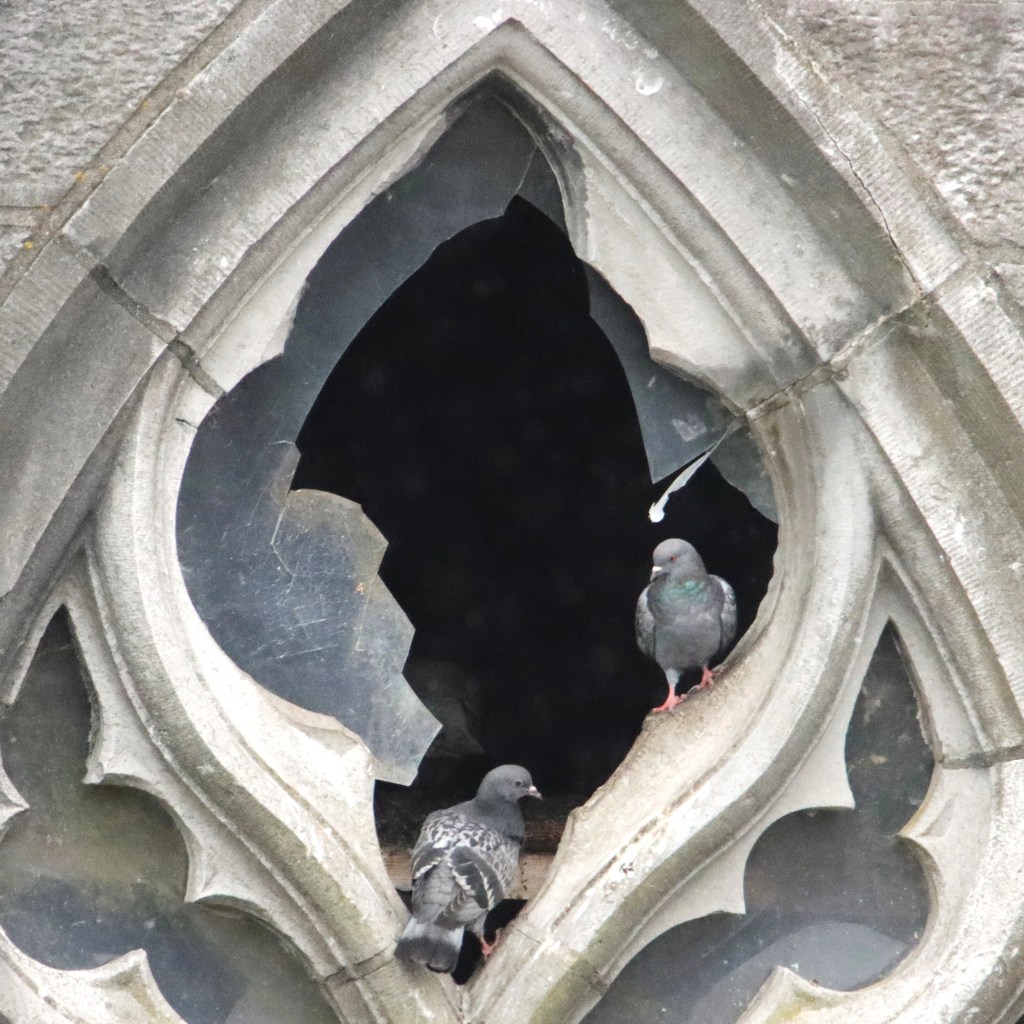
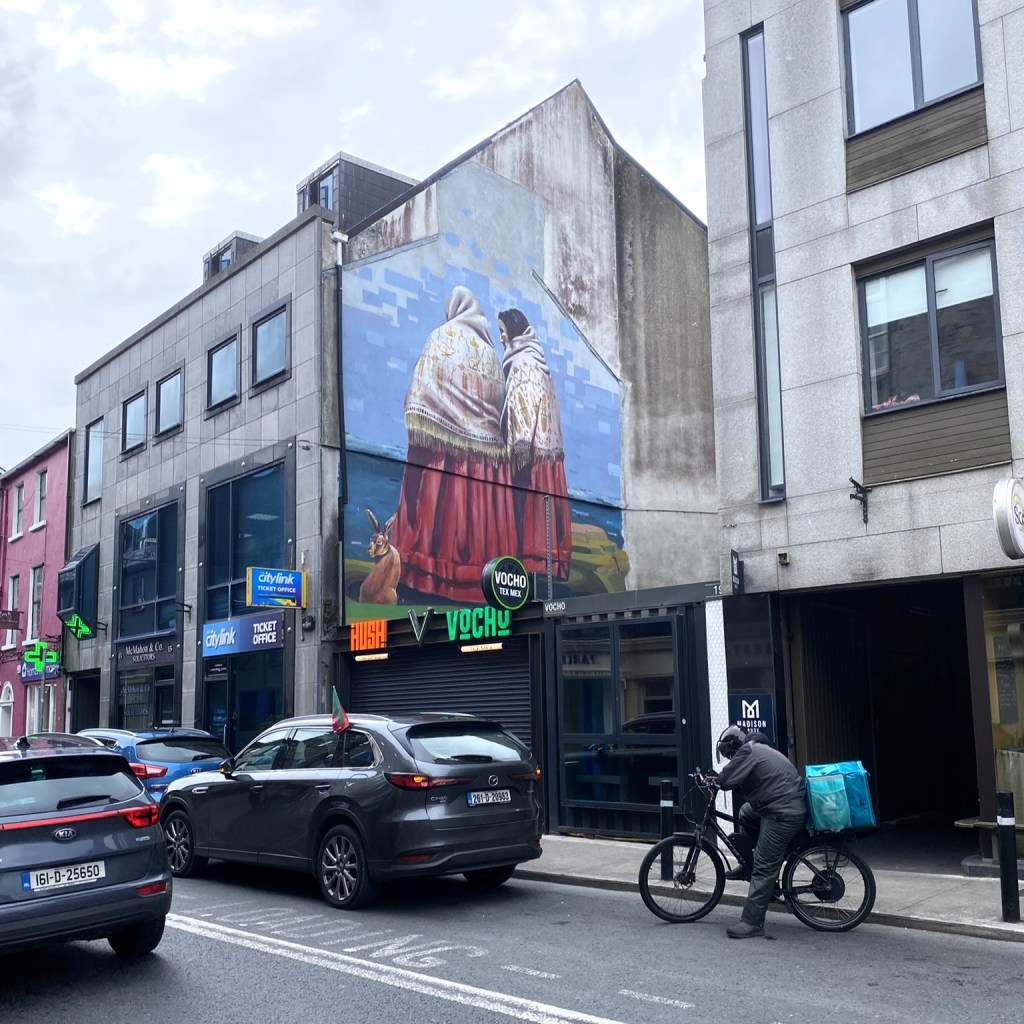
Then Nancy and I met up for a little walk around Galway, Ireland’s 4th largest city after Dublin, Cork, and Limerick, with a population of 90,000.
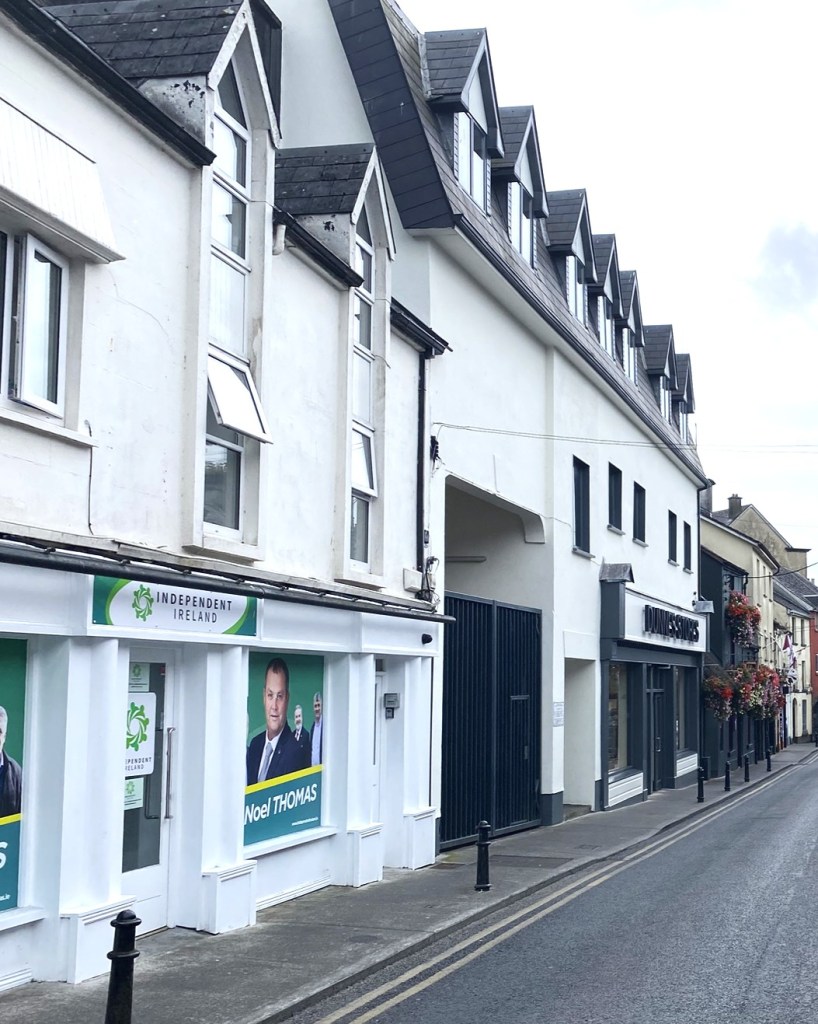
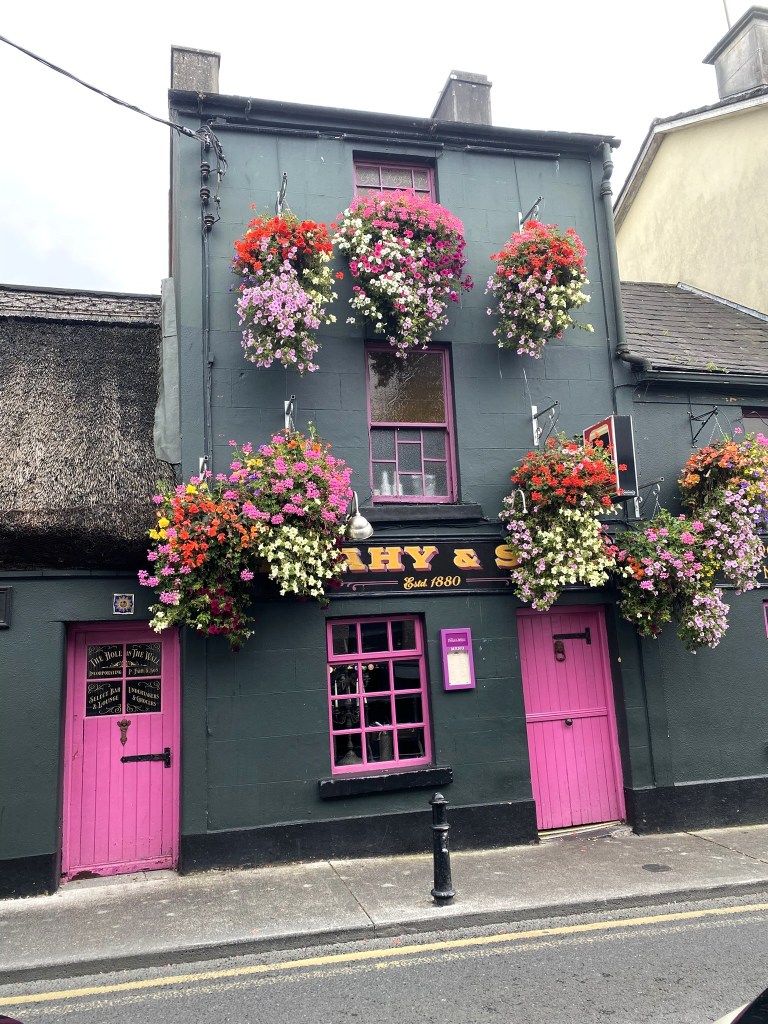
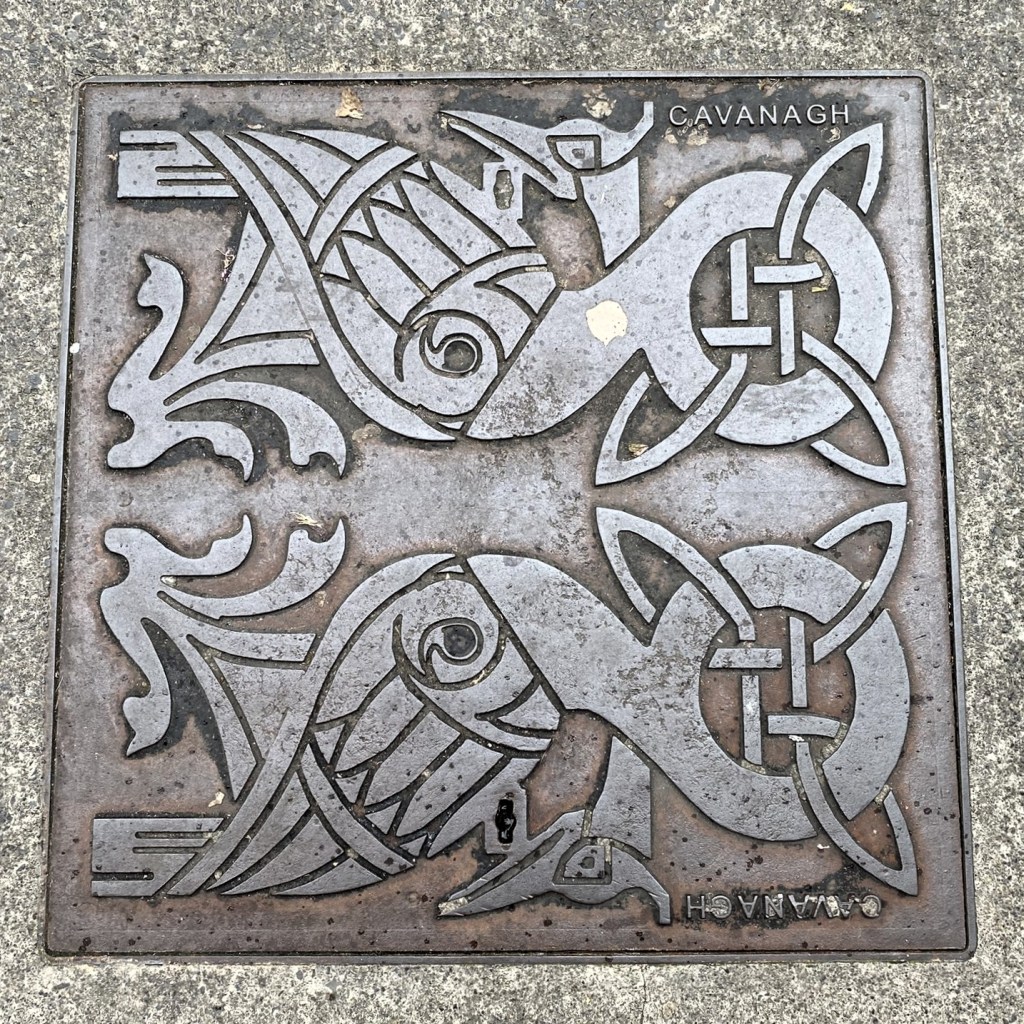
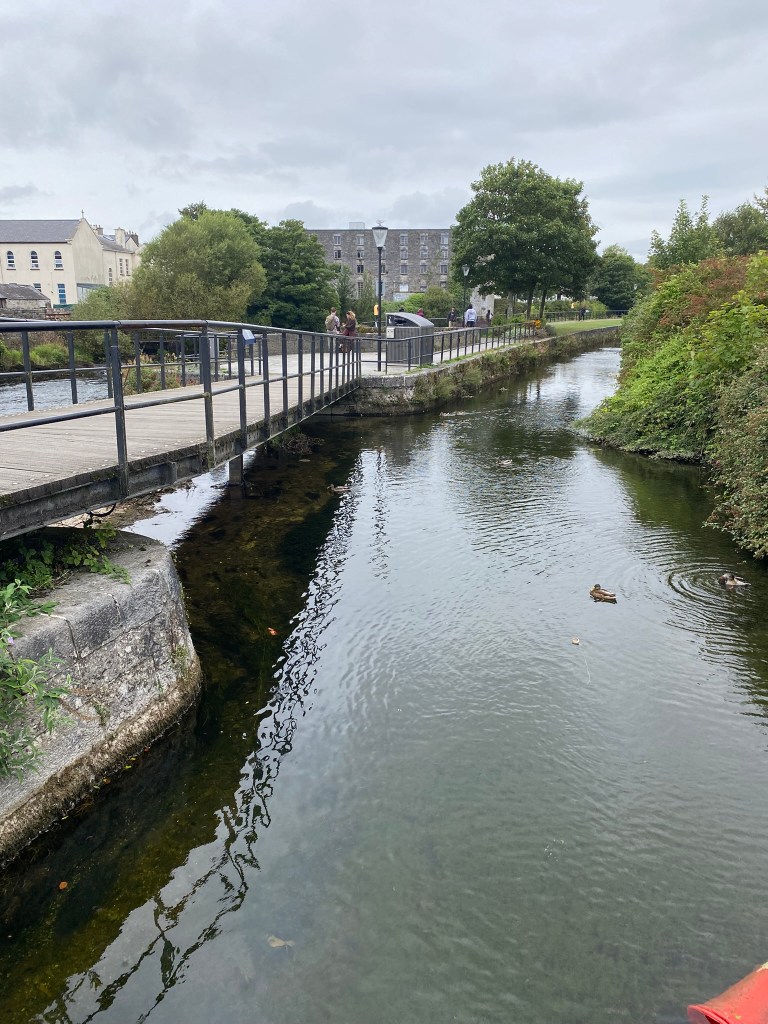
After a few wrong turns, we located the promenade along the River Corrib.
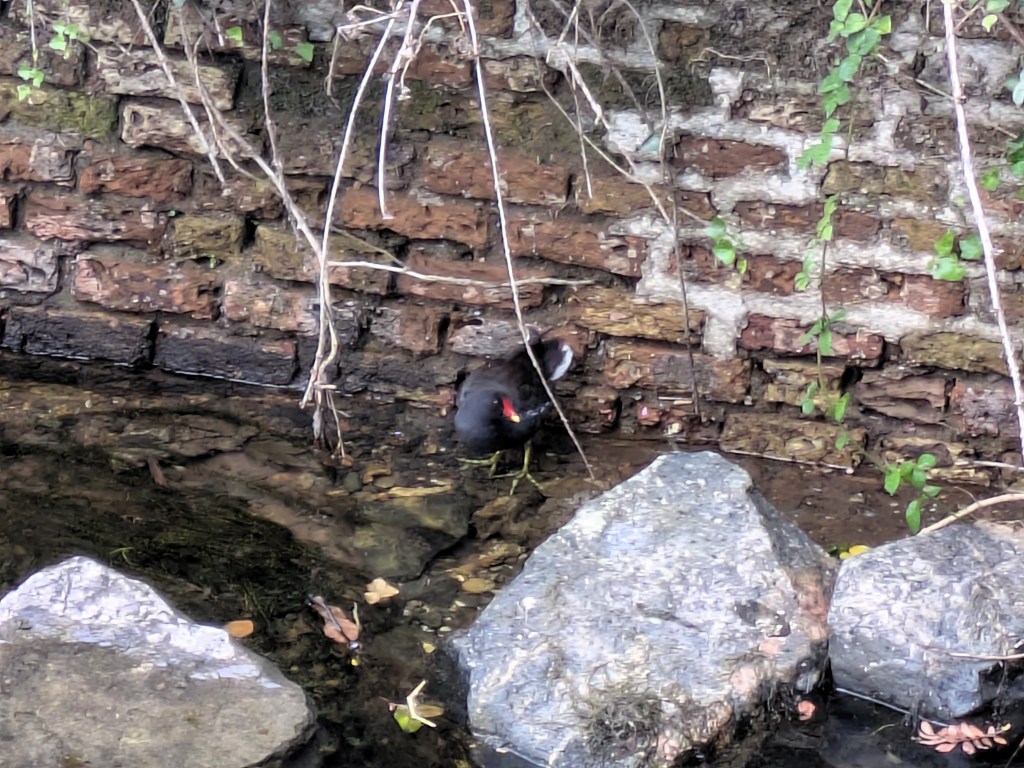
Nancy spotted this Eurasian Moorhen!
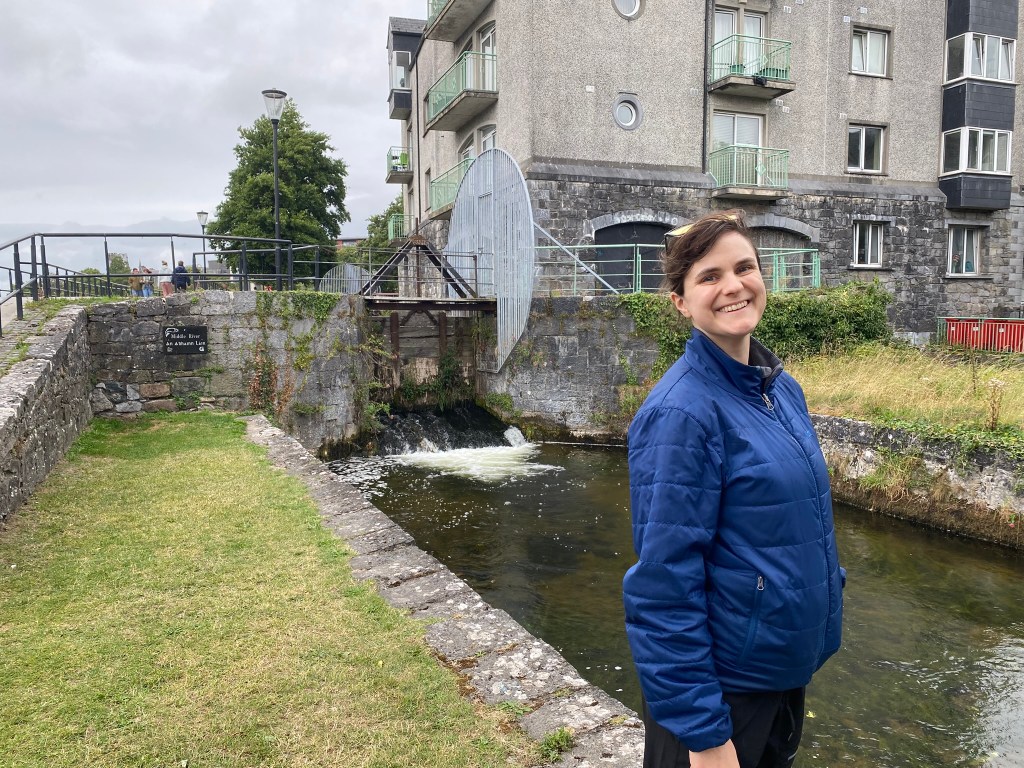
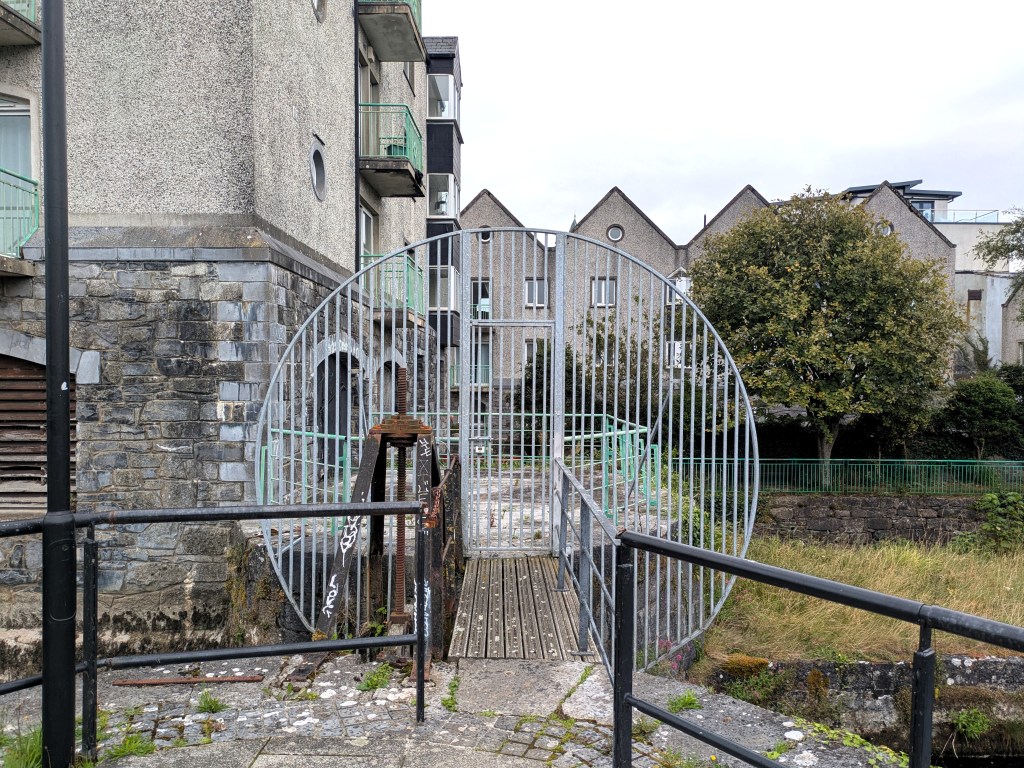
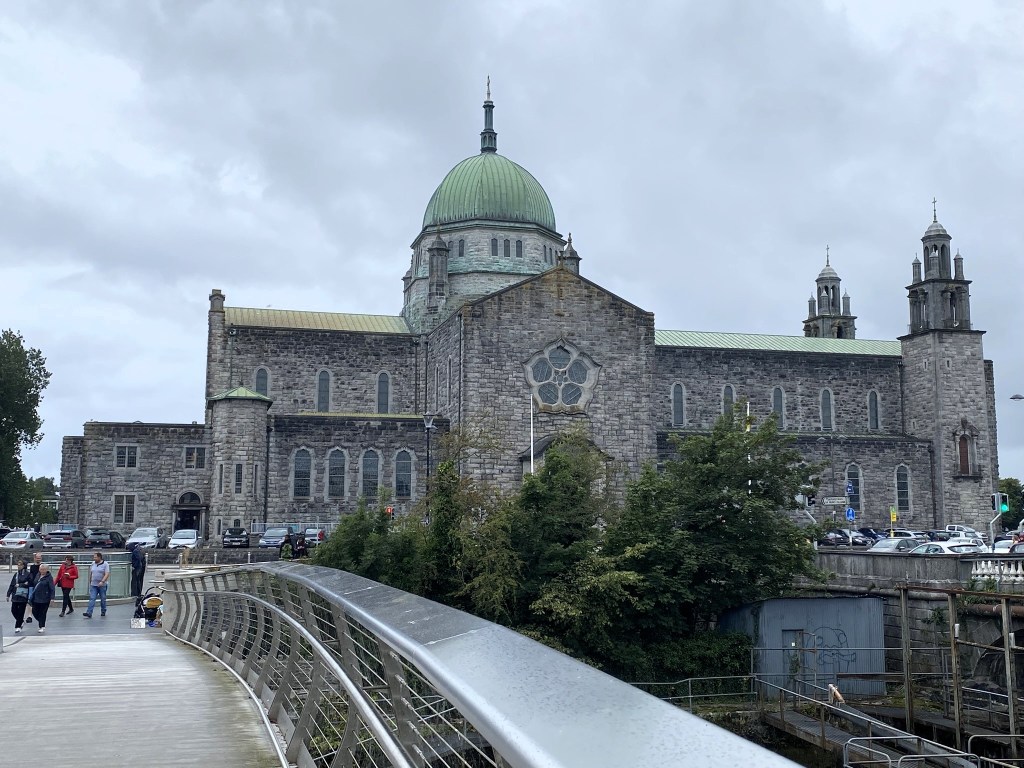
The Galway Cathedral is the most recently-built stone cathedral in Europe. (Completed in 1965 and dedicated to Our Lady Assumed into Heaven & St Nicholas.)
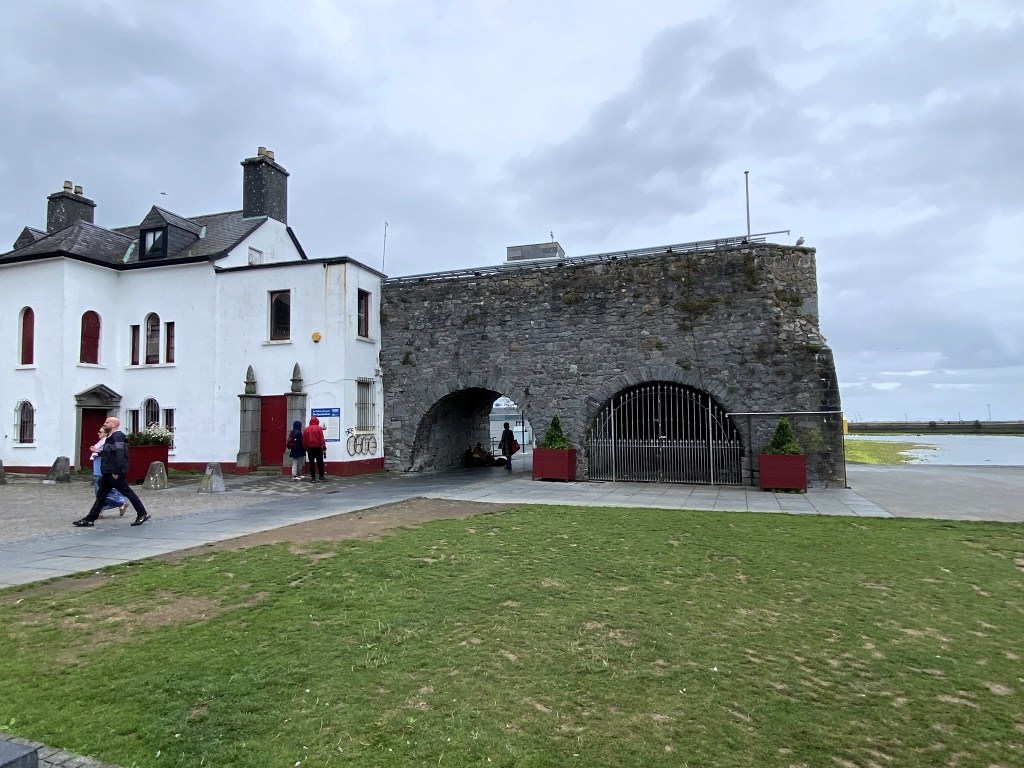
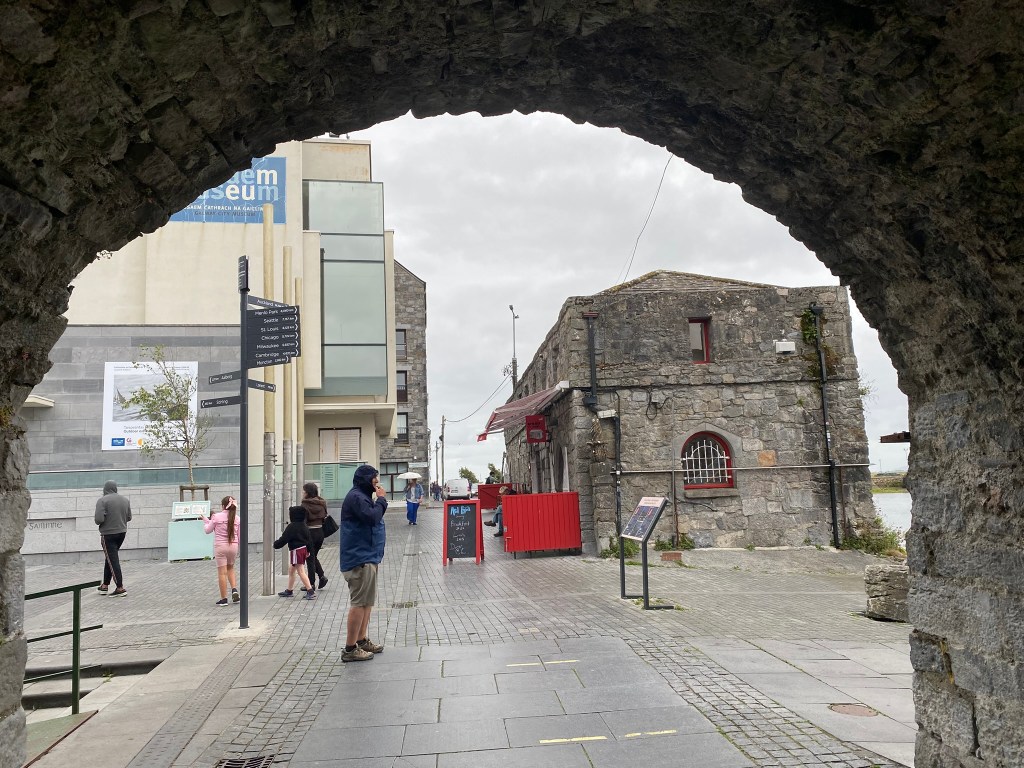
The “Spanish Arch” from the 1400’s was part of the city’s defense system to protect merchant ships against pirates. Much of the military complex was destroyed by the tsunami that was generated by the Great Lisbon Earthquake of 1755.
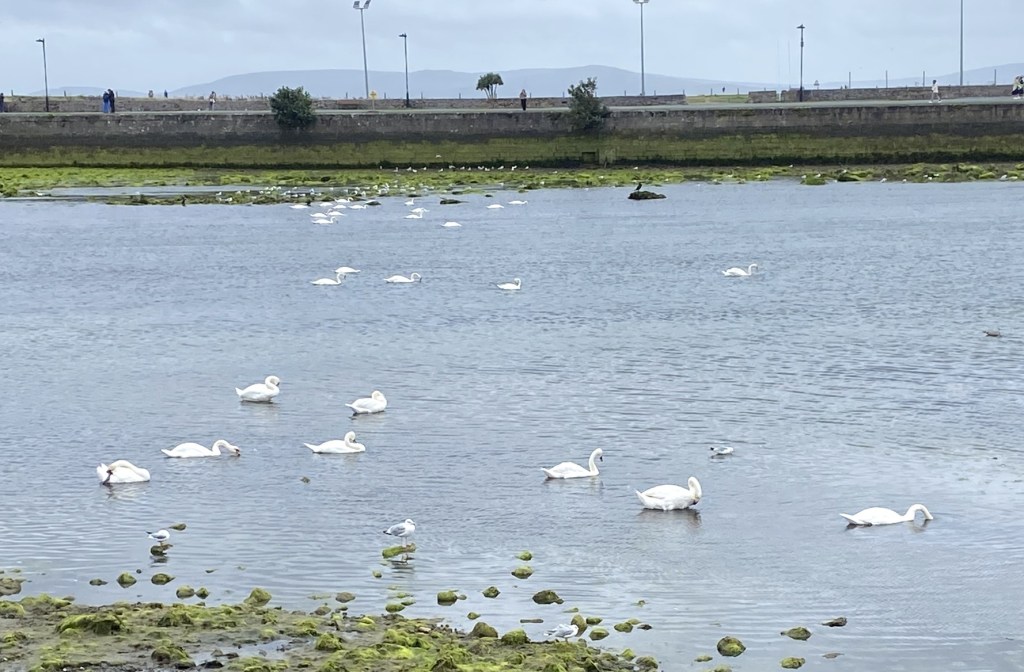
The Mute Swans where the Corrib River meets the sea are quite popular.
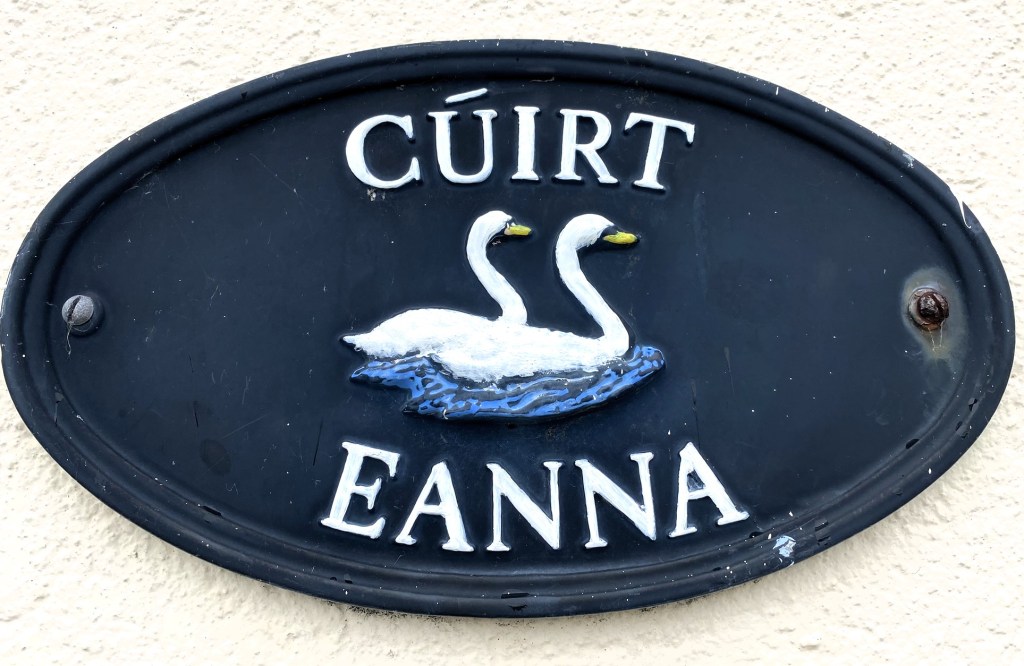
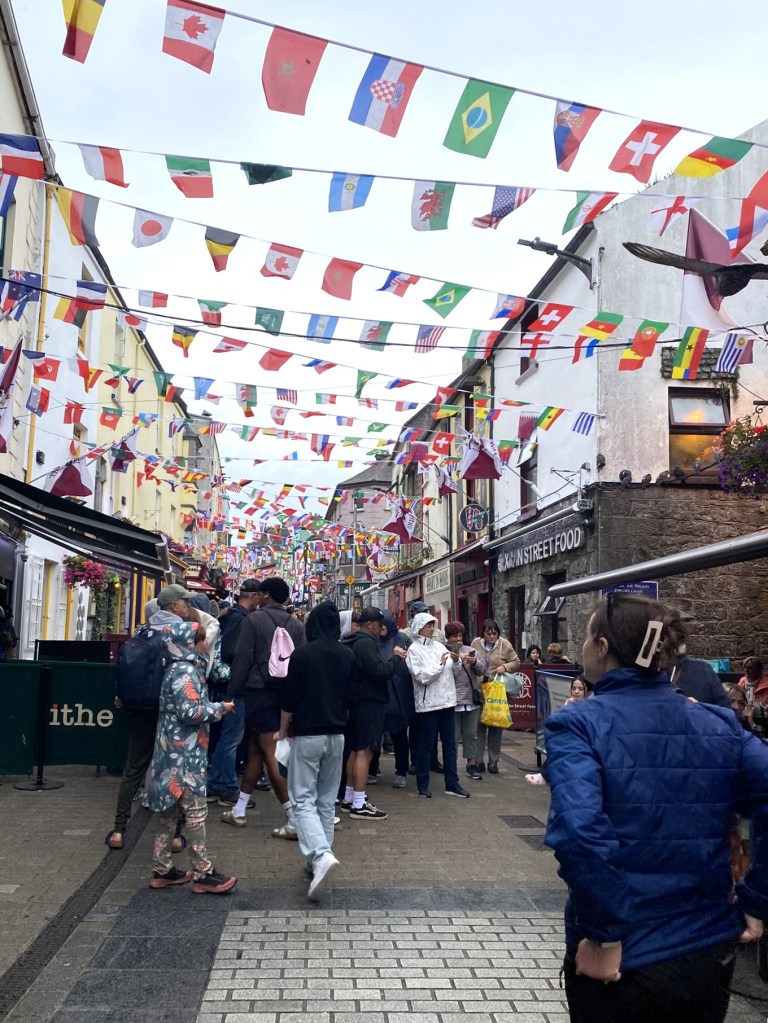
The international flags mark the most popular shopping areas for tourists.
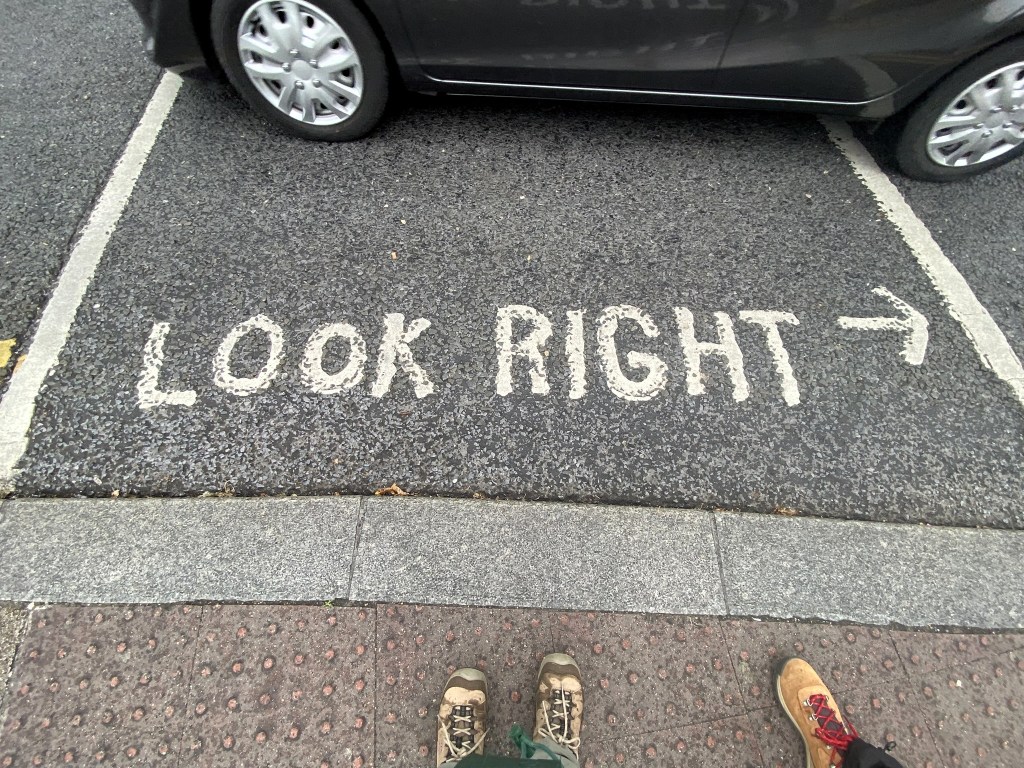
After carefully making our way back to our hotel, we had a bit of time to get cleaned up for dinner.
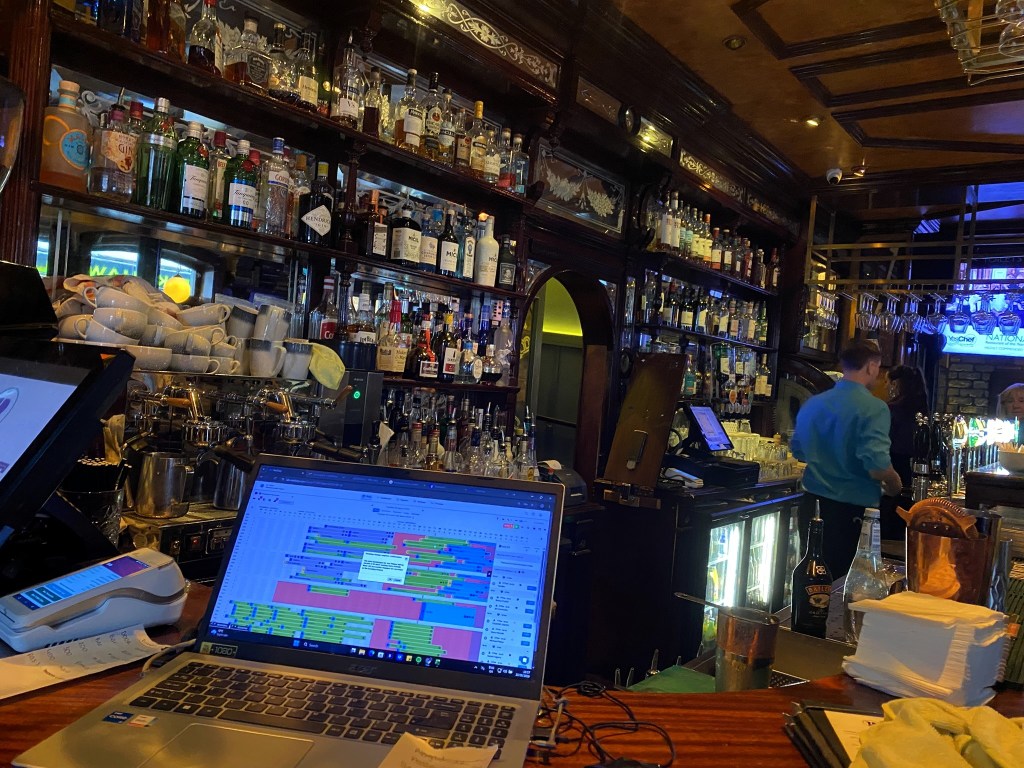
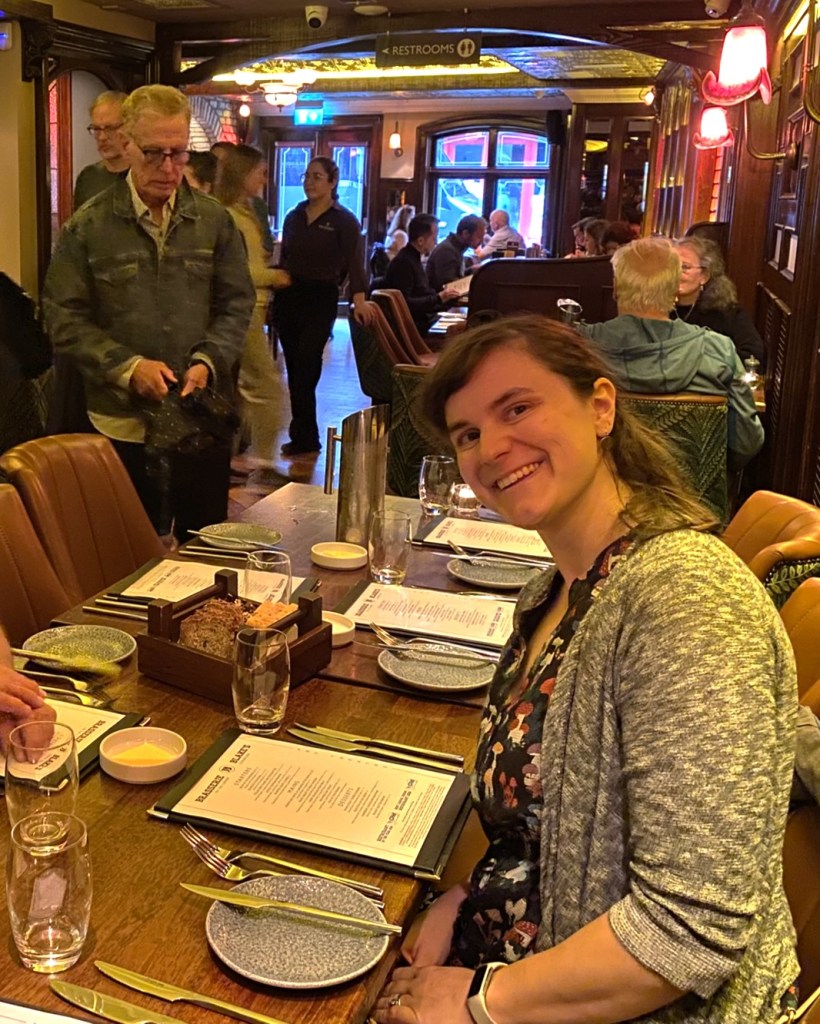
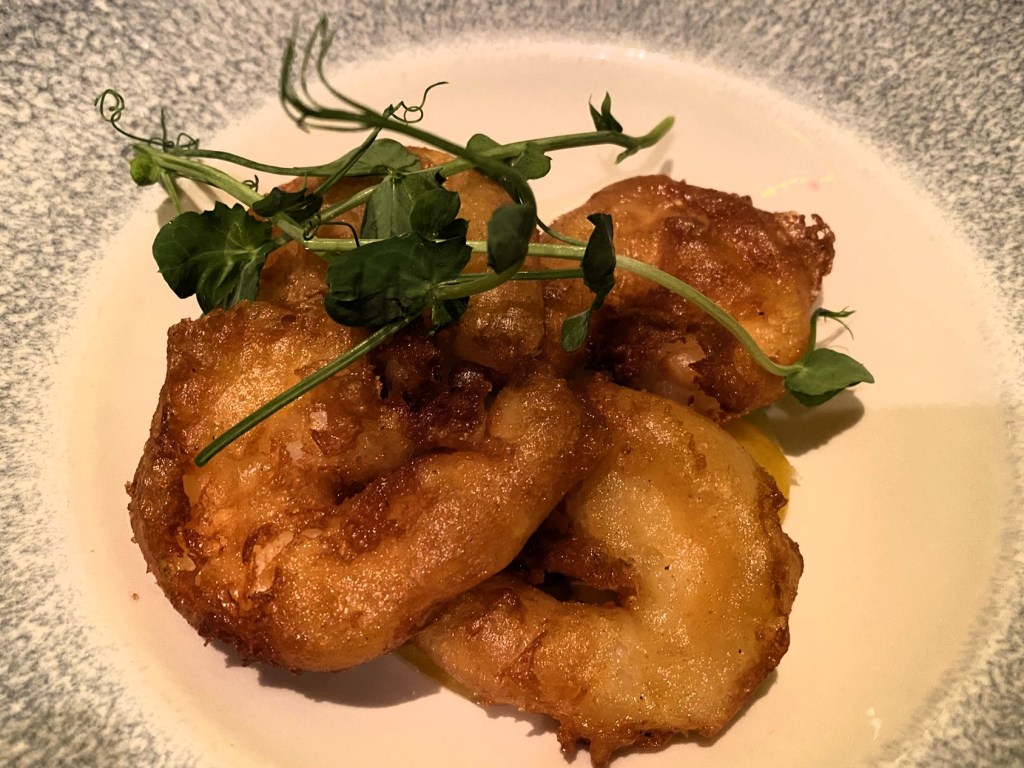
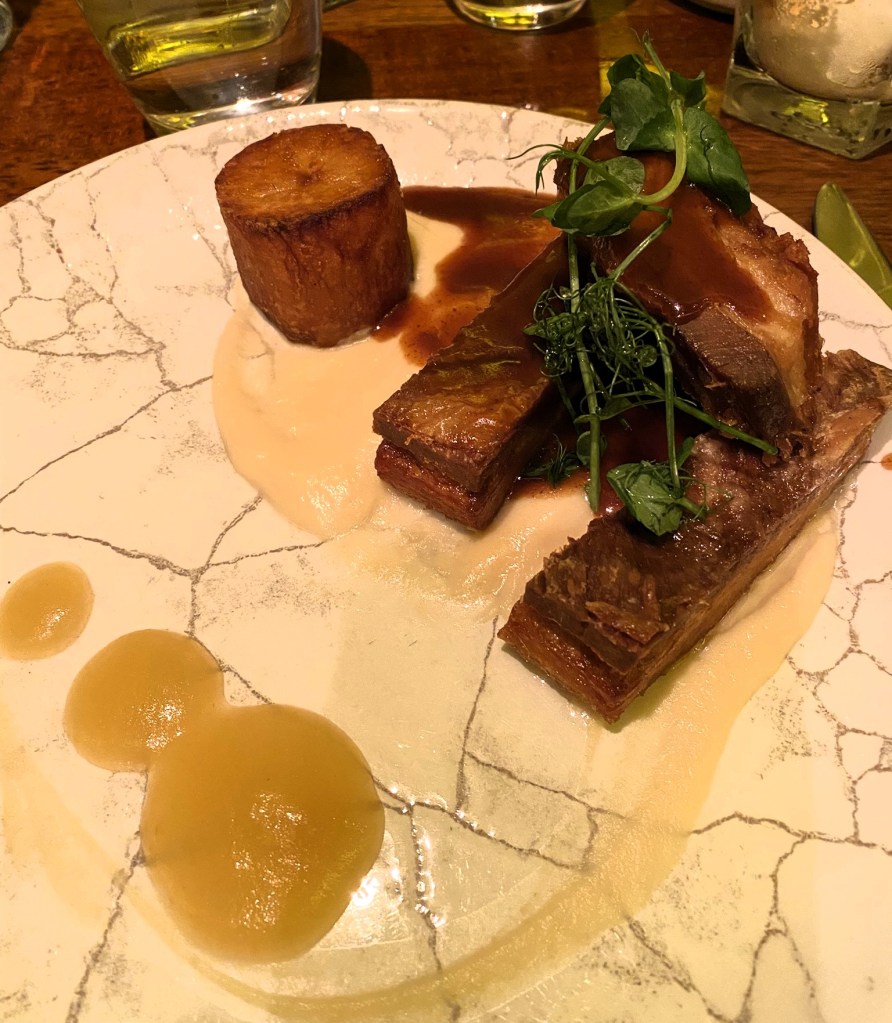
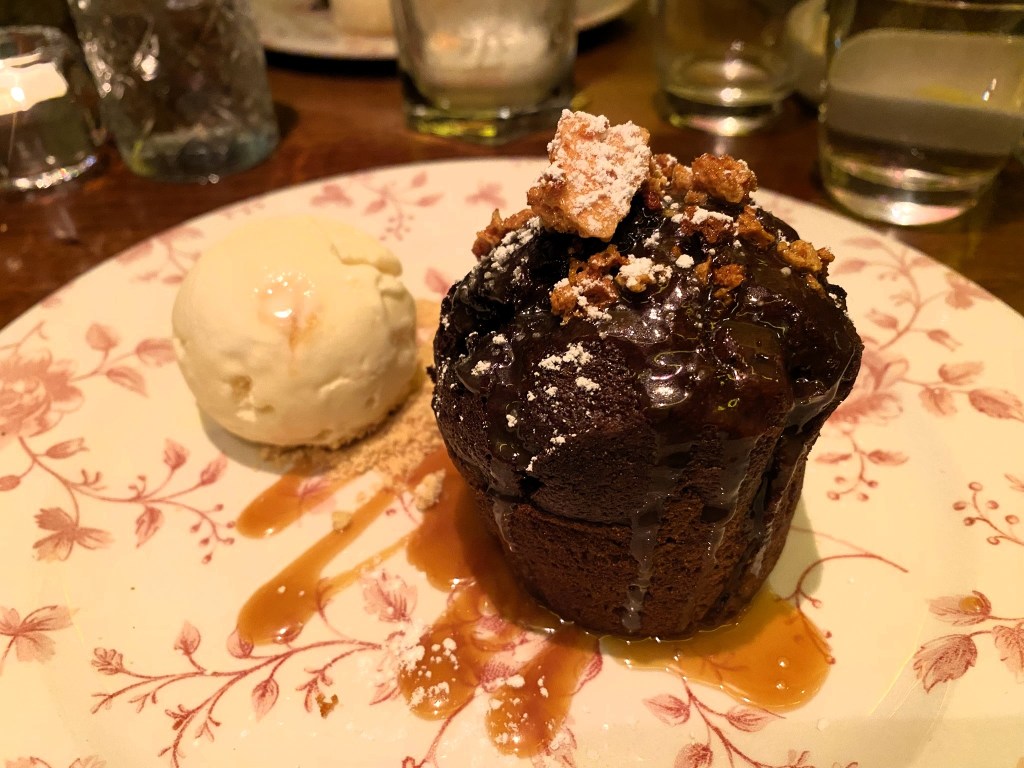
Dinners were usually included in the tour price, and this one was the most elegant. We had several options for each of three courses.
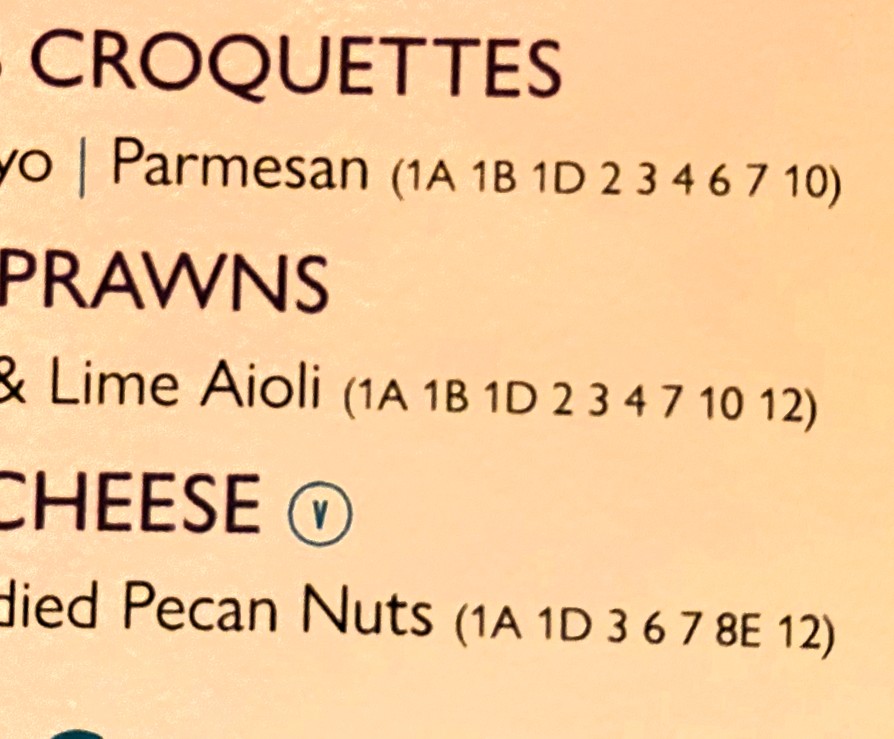
We were puzzled at first by all these numbers following each menu choice, until we spotted the helpful, extensive key for allergens.

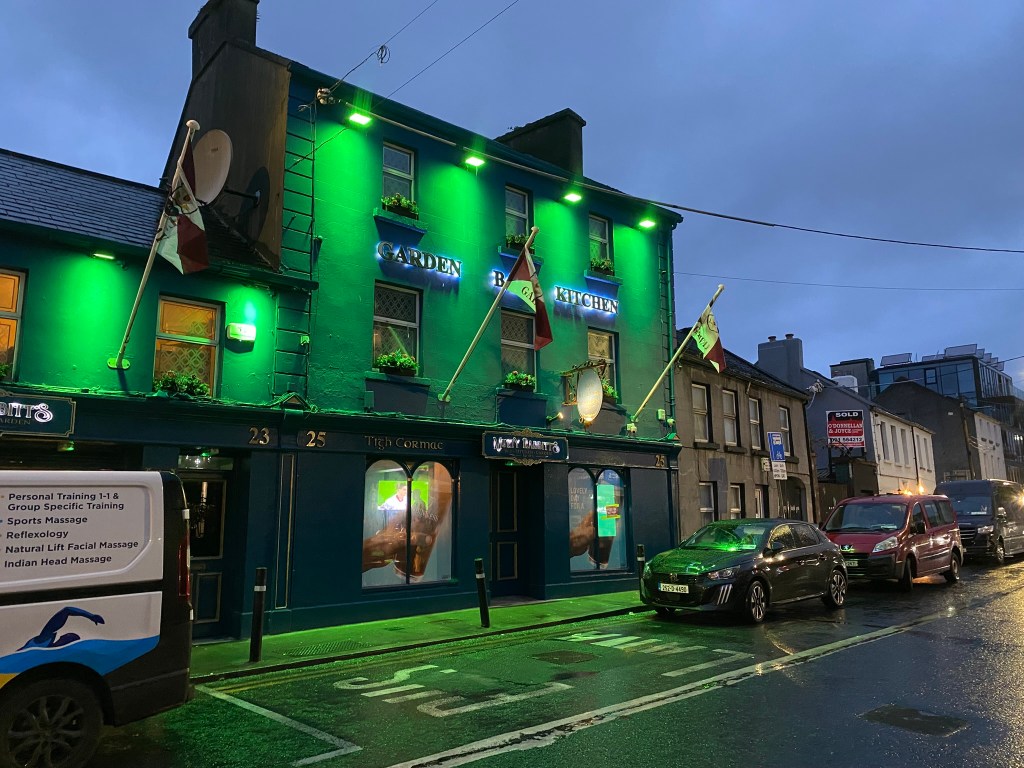
Goodnight, Galway!


Thanks. again. God willing, you regained your good mood after your guide by evening.
thanks, for the bird photos. I need to tell friend Maeve that there is a cairn named for her in Ireland.
Lorraine
LikeLike