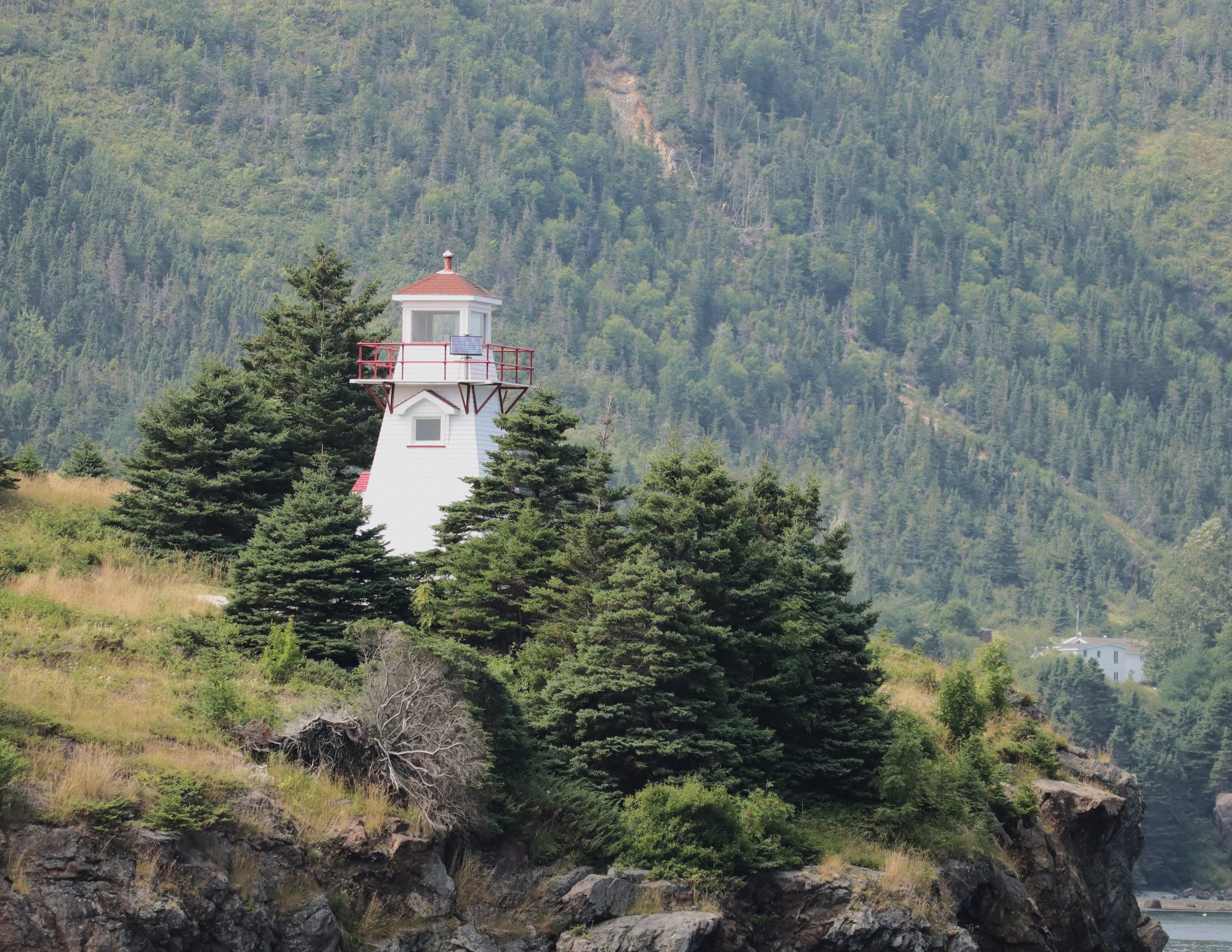
I am on a Road Scholar adventure in Canada!
Here’s a link: CLICK
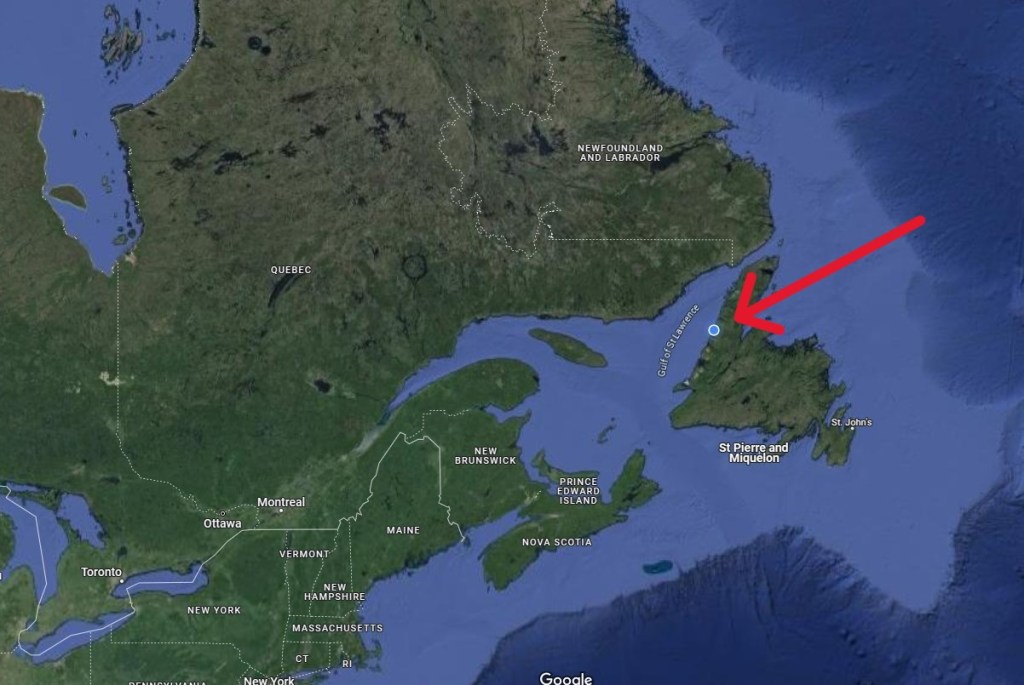
Specifically, six days of hiking in Gros Morne National Park along the west coast of Newfoundland.
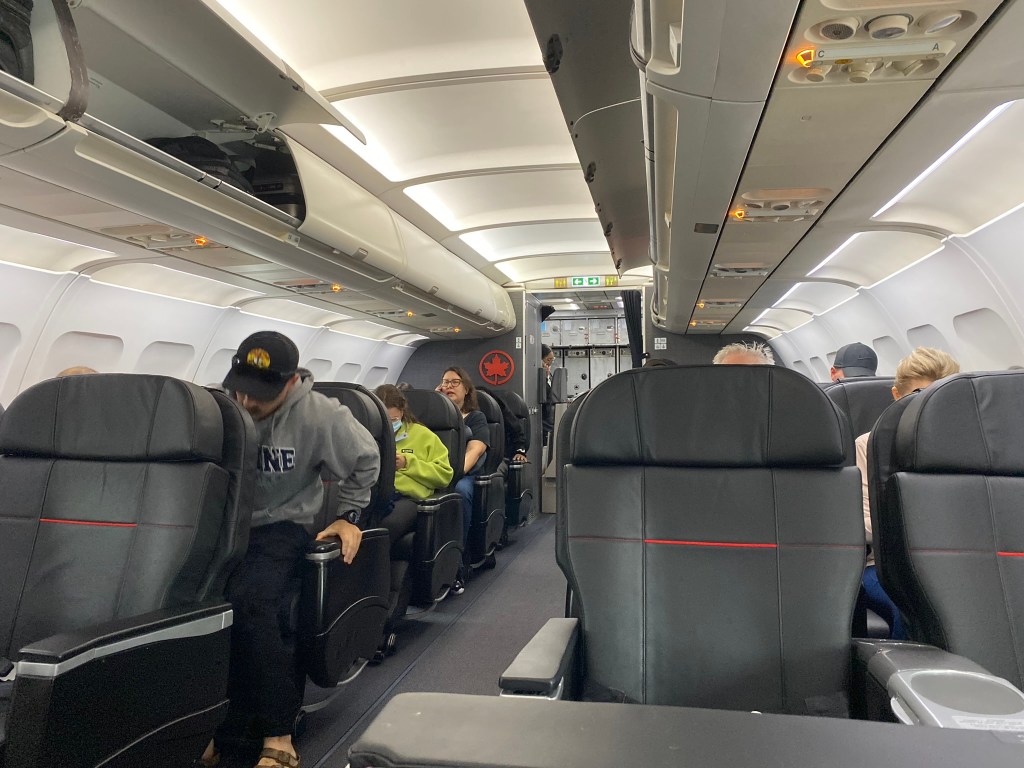
My middle flight, from Toronto to Montreal, had roomy seats, but strangely, a row of backward-facing seats to which I was assigned.
It was strange. I learned that the Canadian hockey teams sit there, fold out the little table, and play poker.
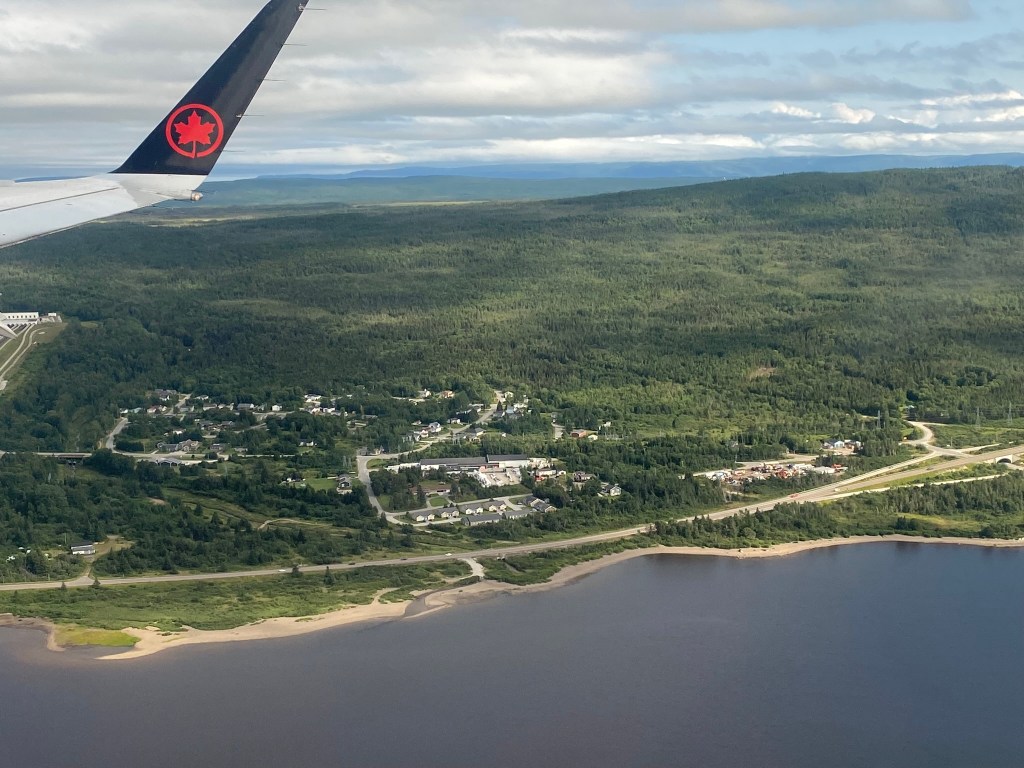
Gros Morne NP is about the same latitude as Seattle, and it sure looks similar!
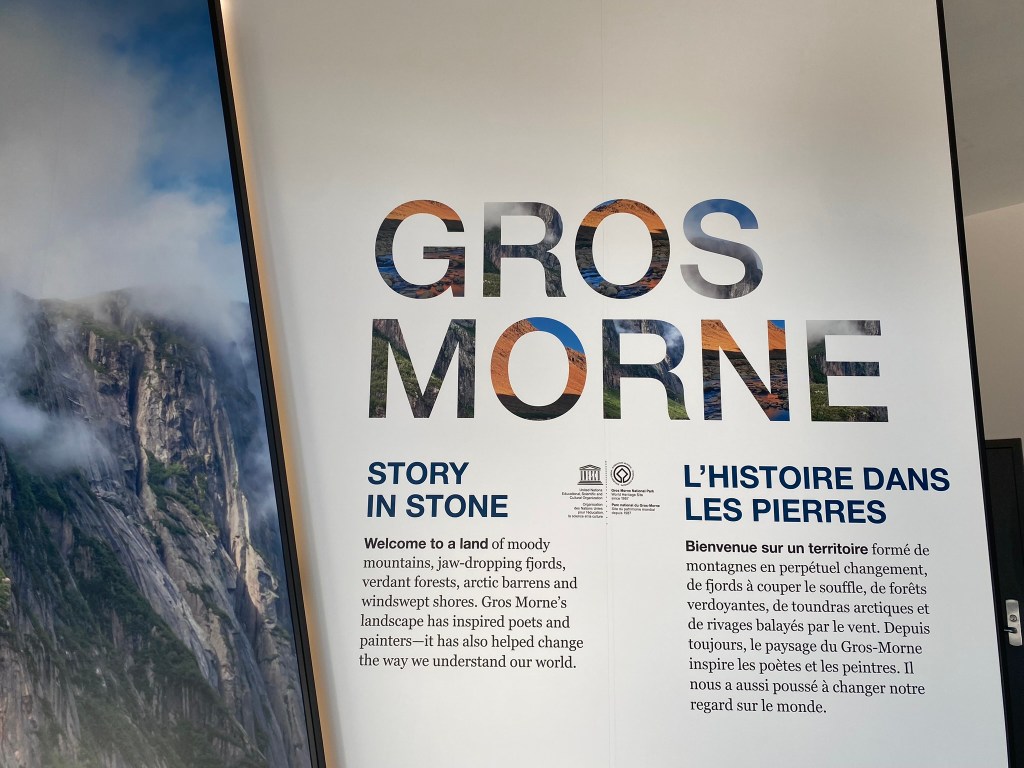
Our first day began at the park’s Discovery Centre. The geology of Gros Morne is incredibly unique, and the theory of plate tectonics was based largely on what geologists discovered here in the 1960’s.

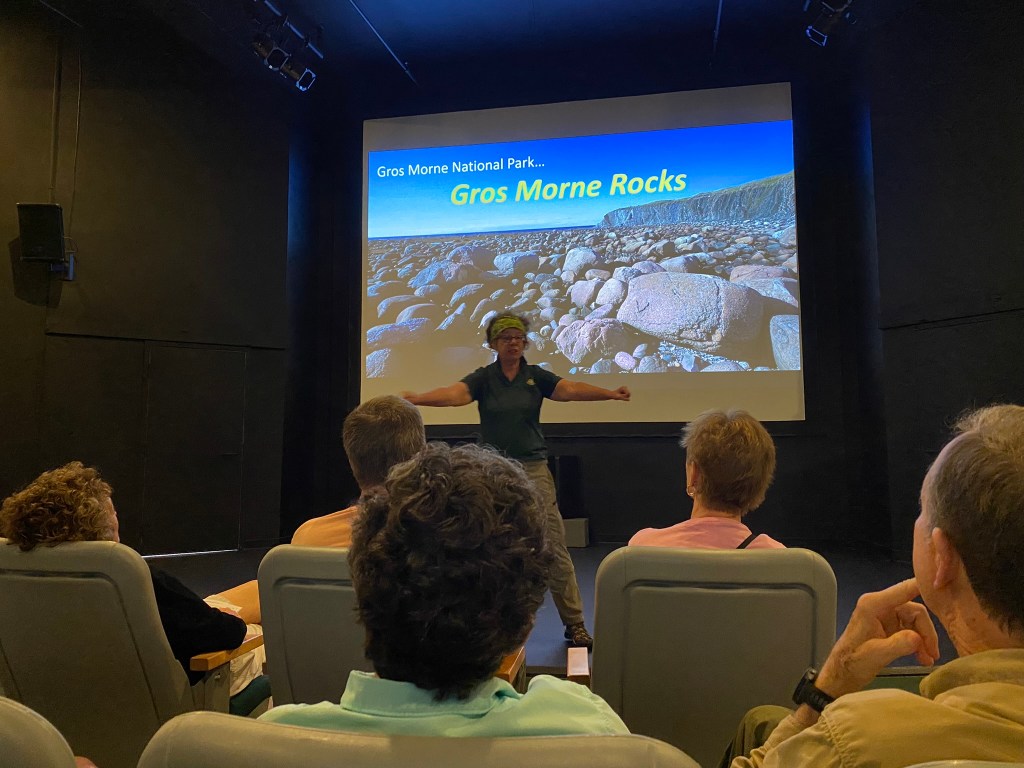
We had an informative lecture by an enthusiastic park ranger.

And then it was time to go hiking!
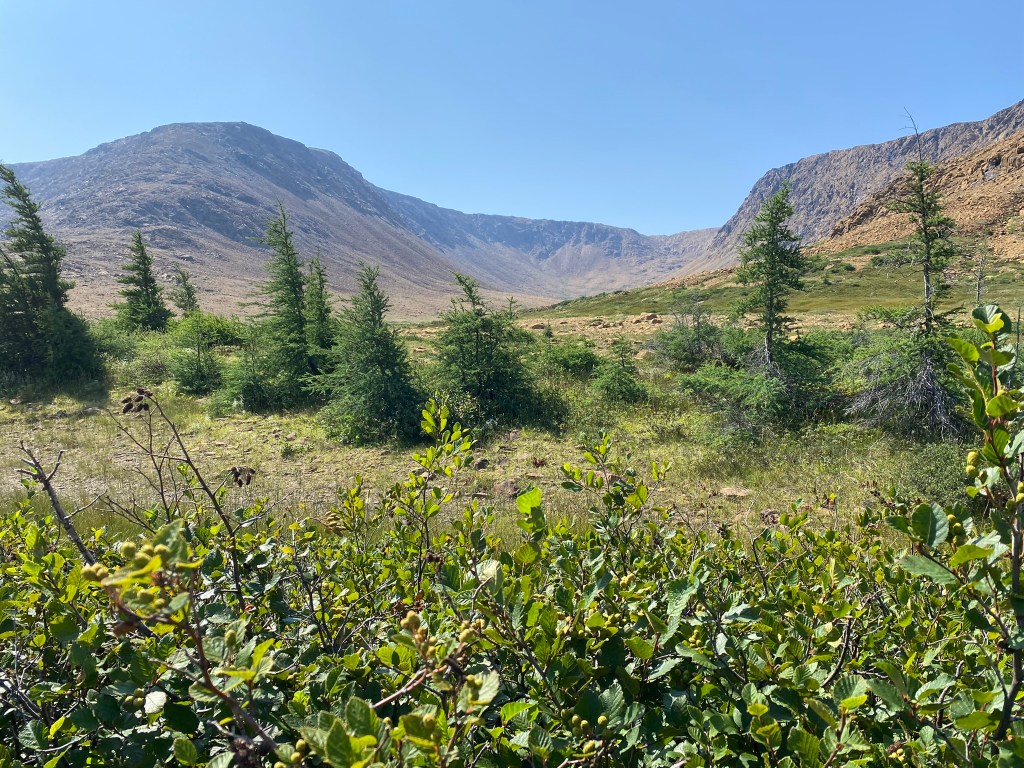
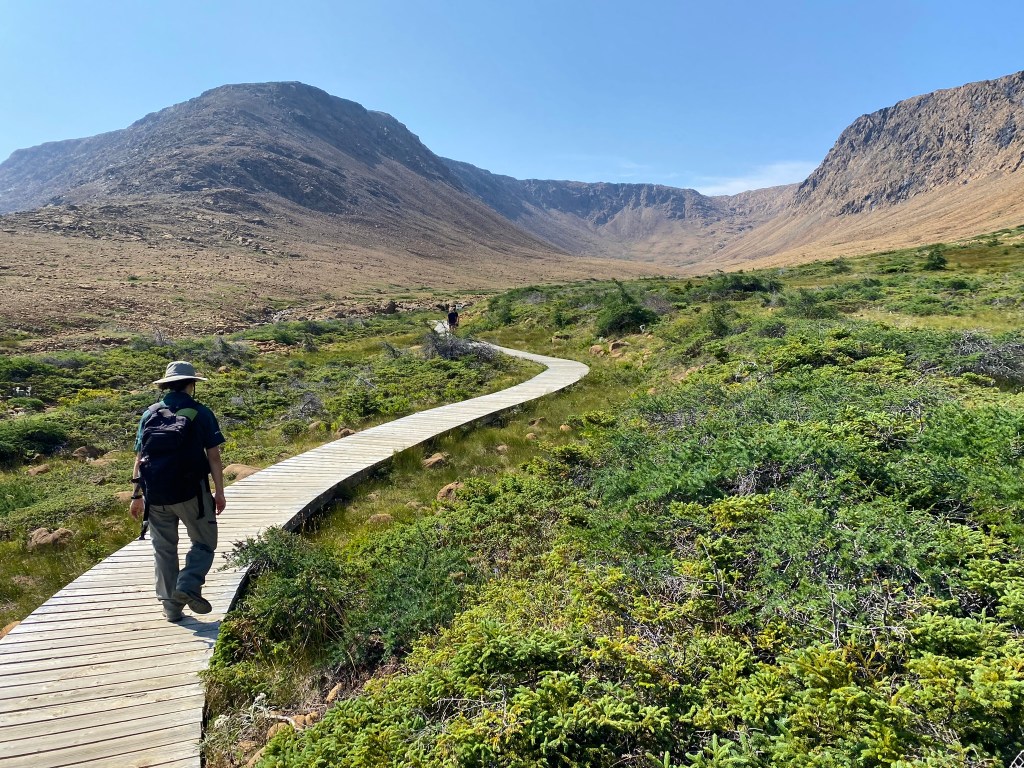
All the rock you see is from earth’s MANTLE, and Gros Morne is one of the few places on earth where it is exposed to such an extent. Usually it’s 25 miles below earth’s surface.
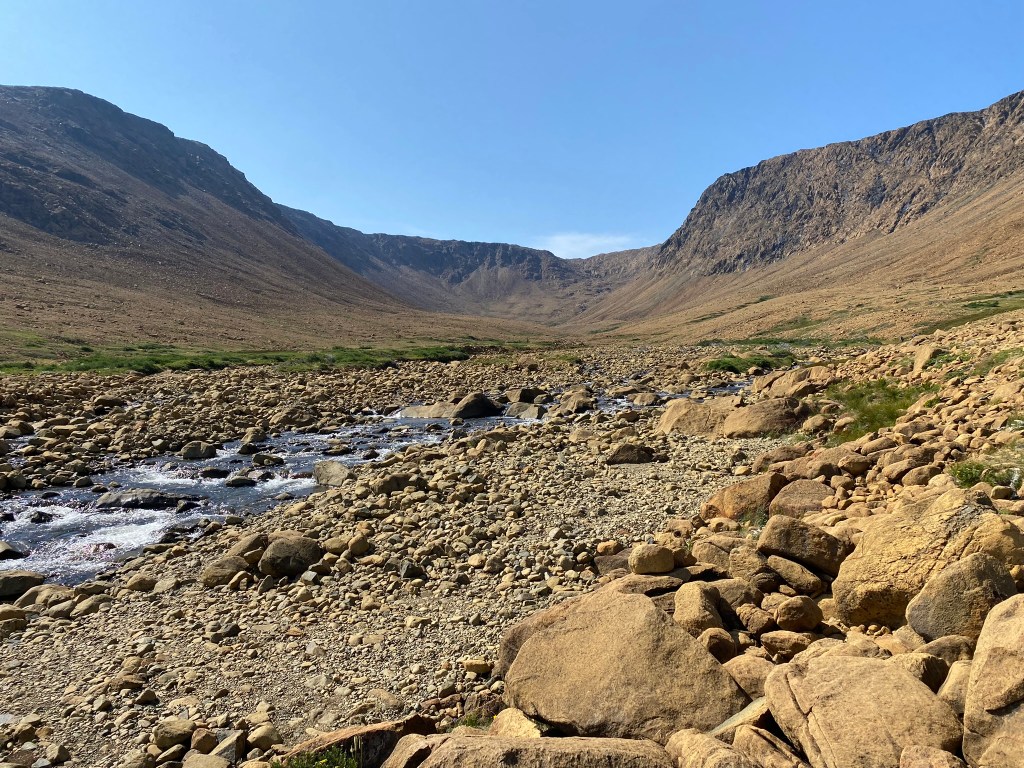
This area is called the Tablelands. Most of the rock is igneous Peridotite, and its metamorphic form, Serpentinite.
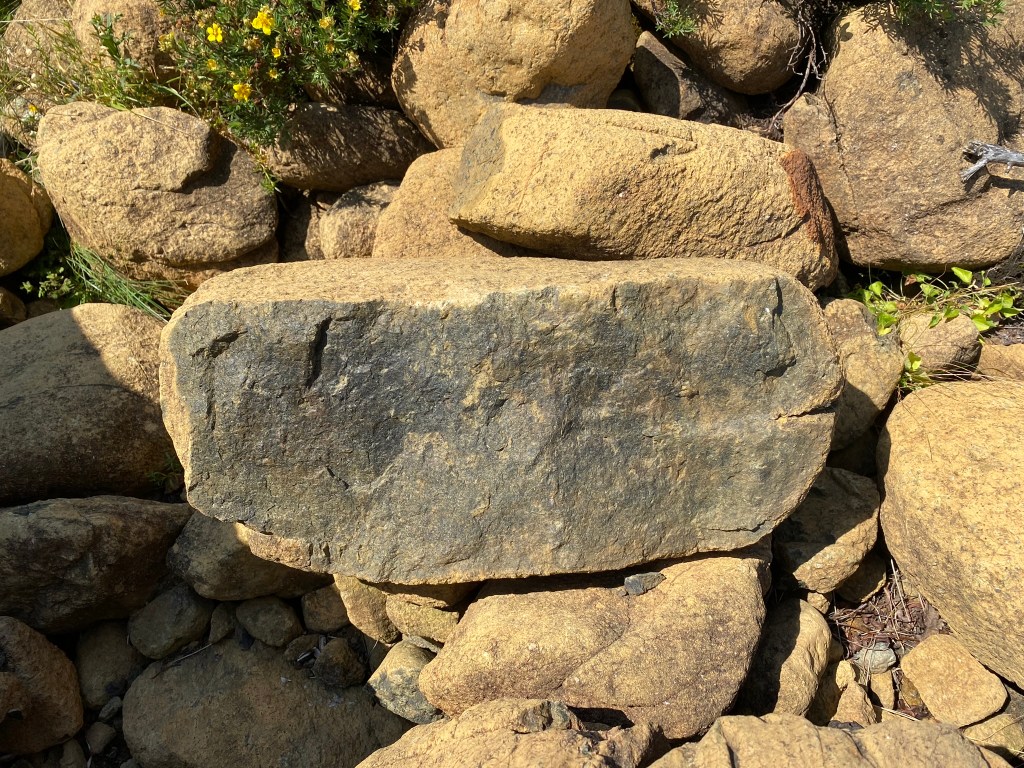
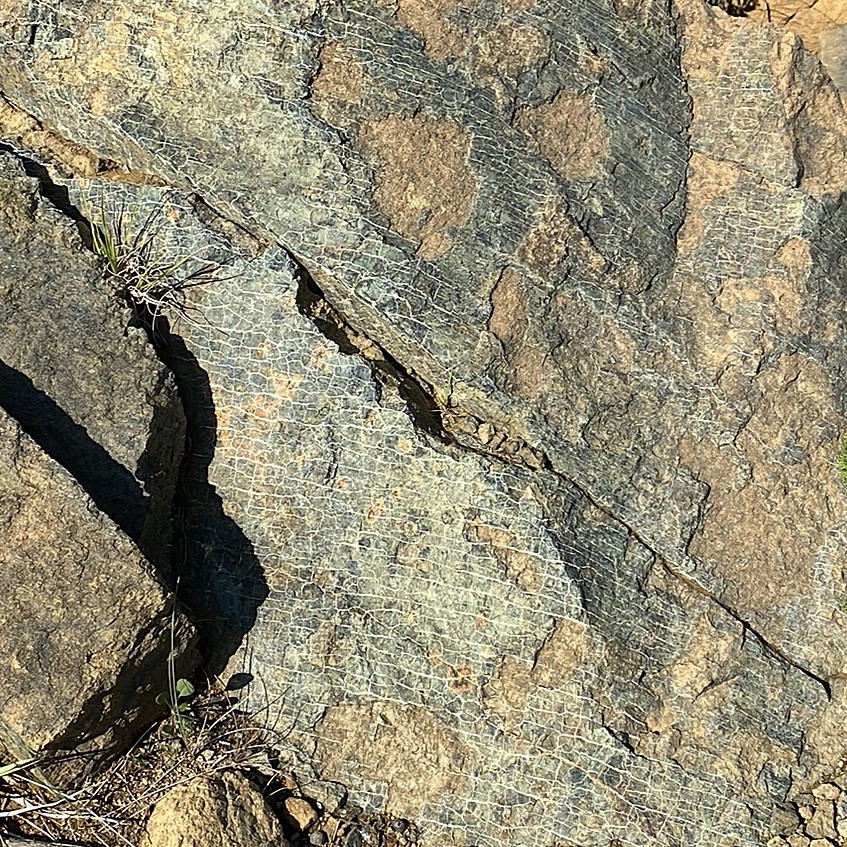
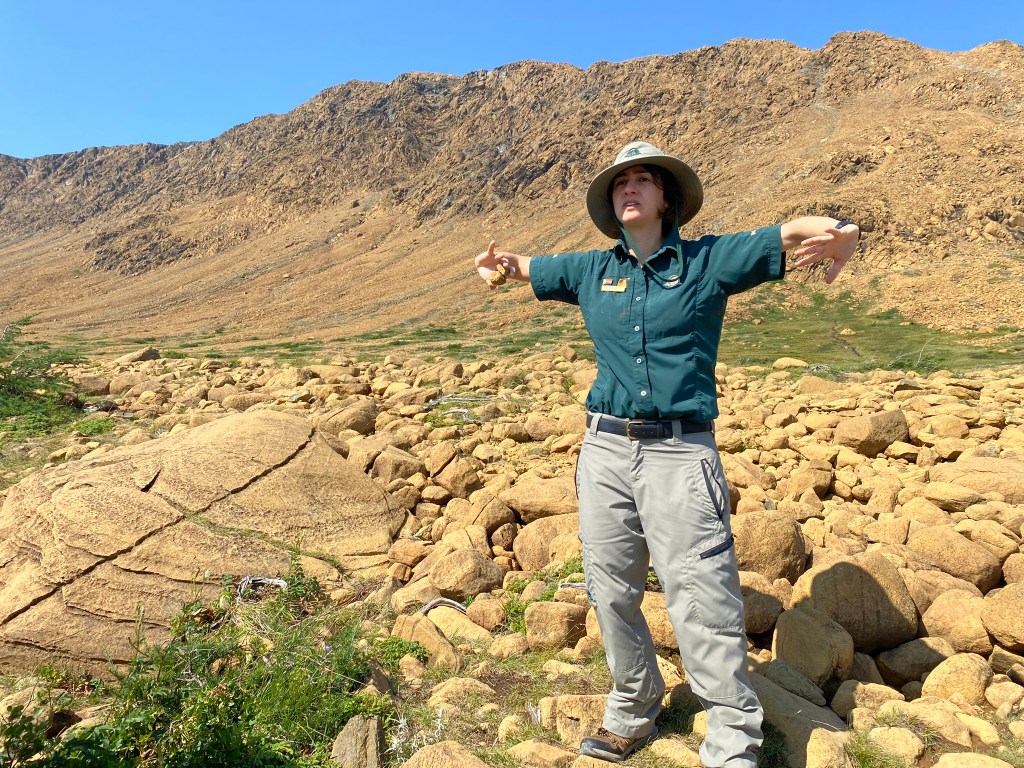
Park employee Rebecca came along with us to help explain plate tectonics–and the unique uplift of the mantle here.
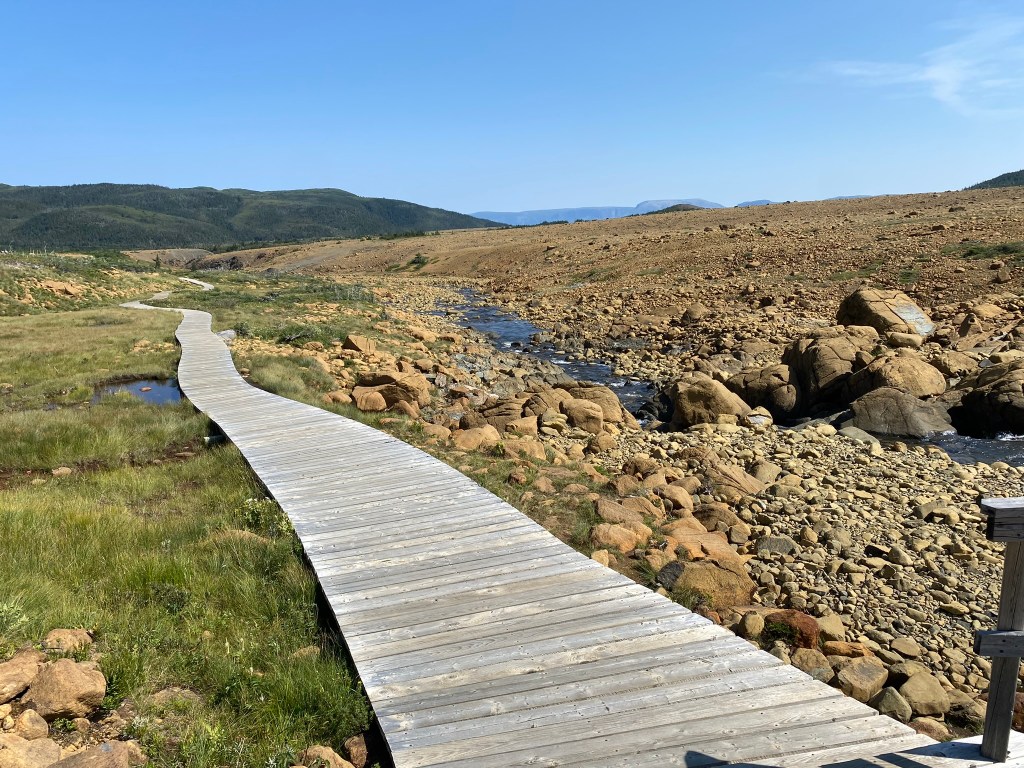
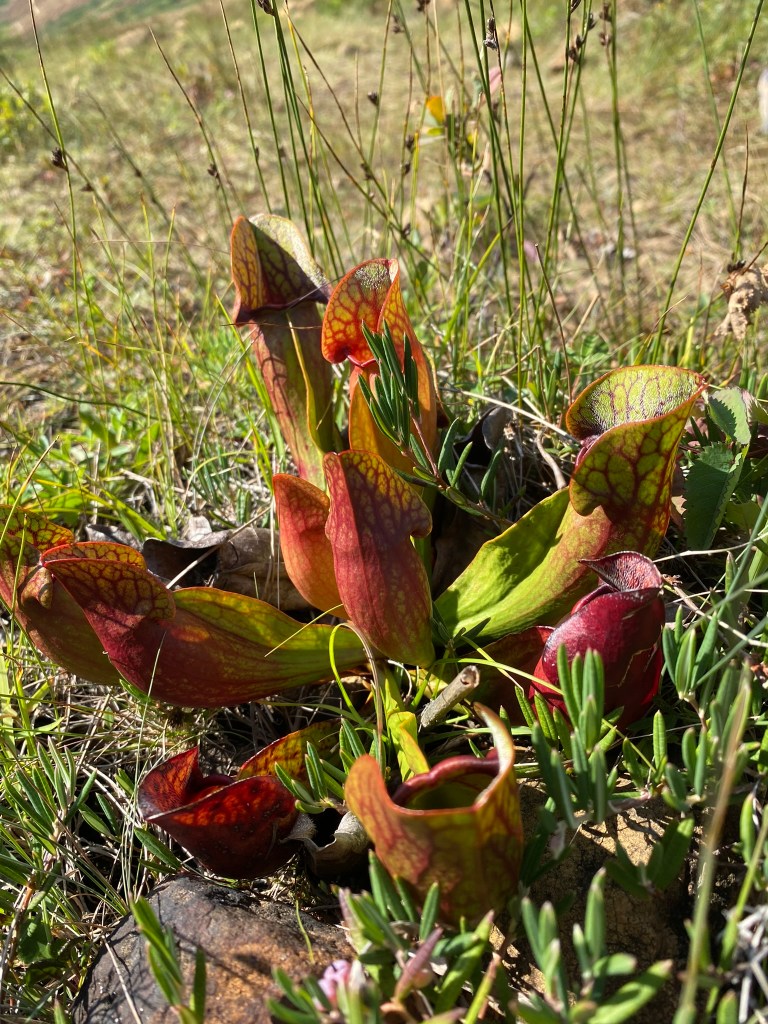
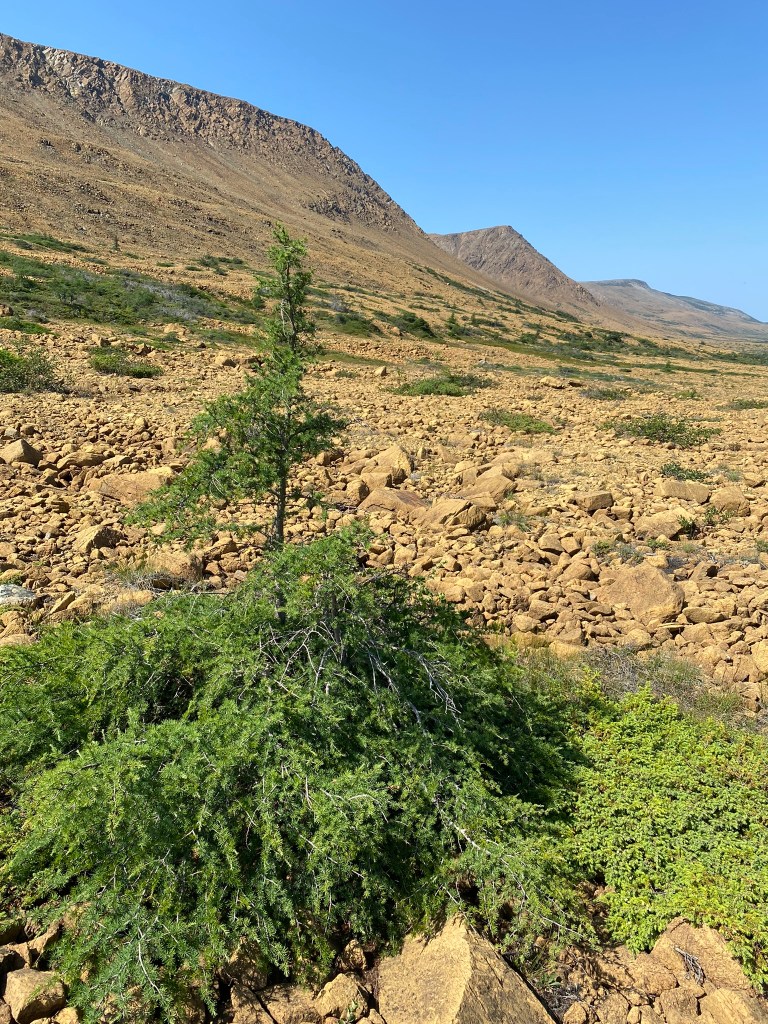
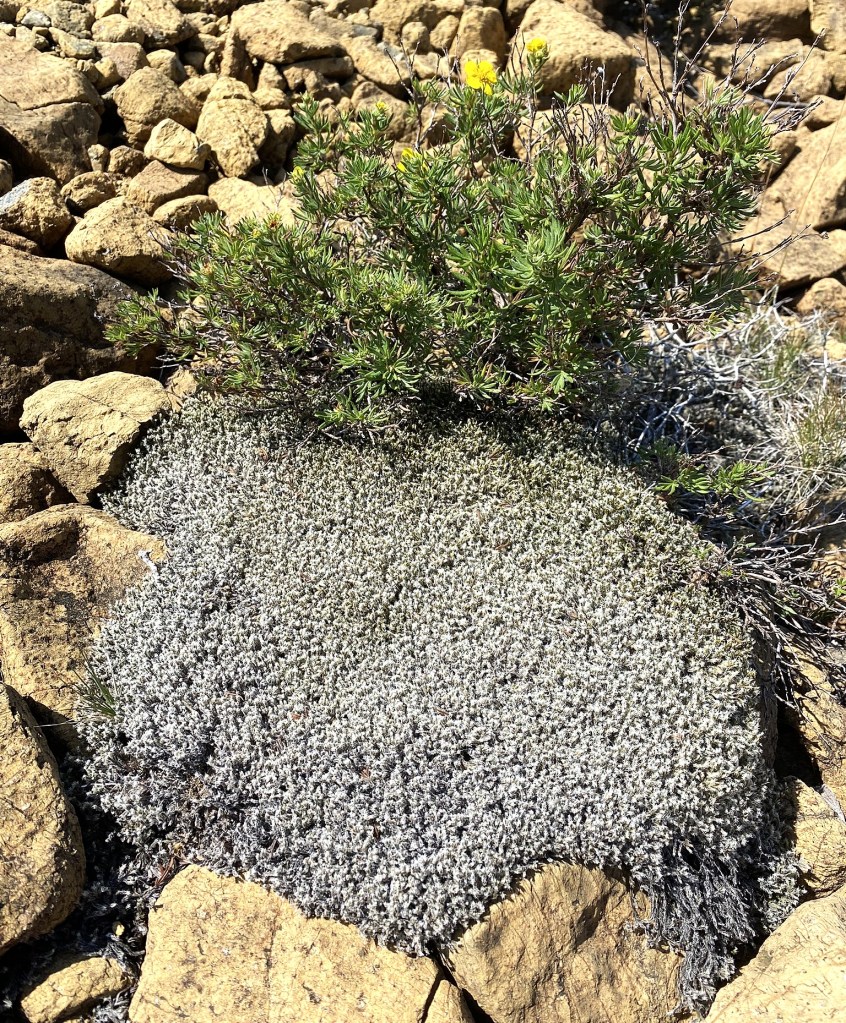
Plant life is stunted, almost like in the arctic.
But it’s because of the heavy metals in the mantle rock, not because of it being that far north.
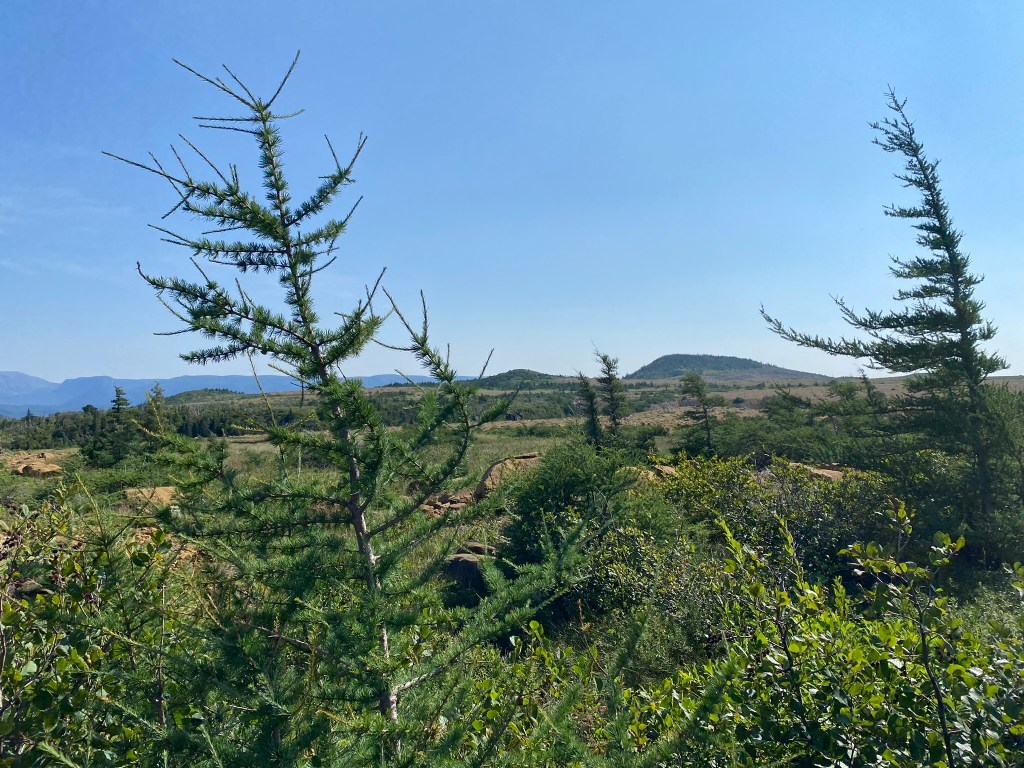
It wasn’t a long hike, at only three miles round trip, but it was hotter than most of us had anticipated.
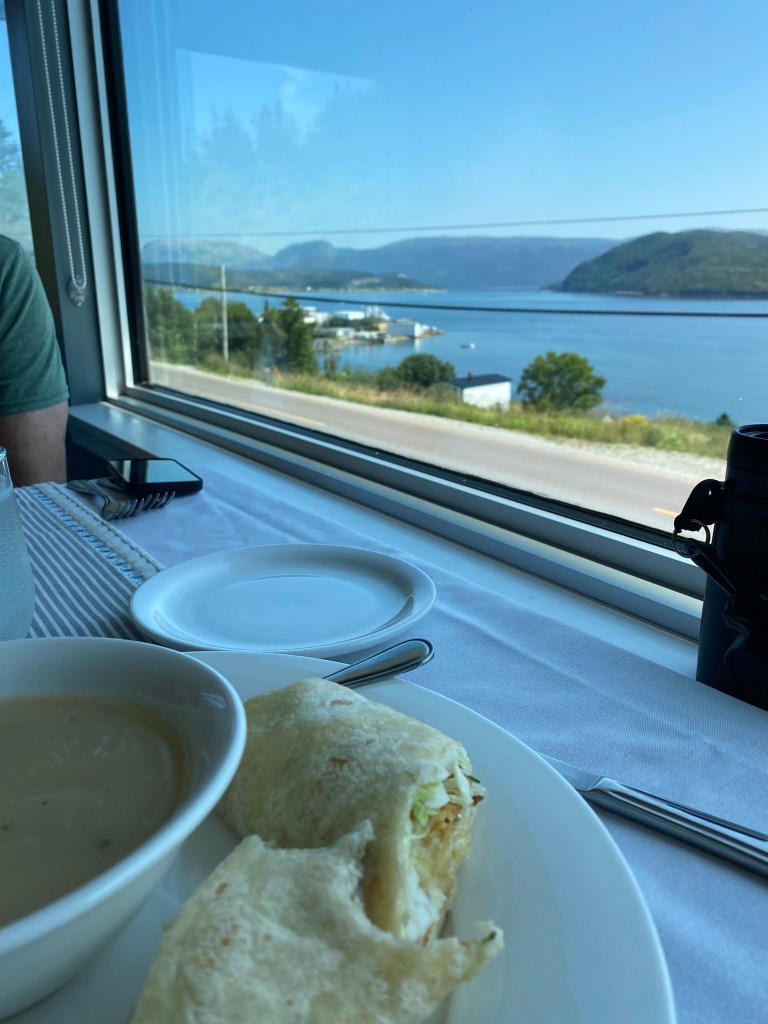
Everyone was happy to have a nice lunch inside where it was cooler.
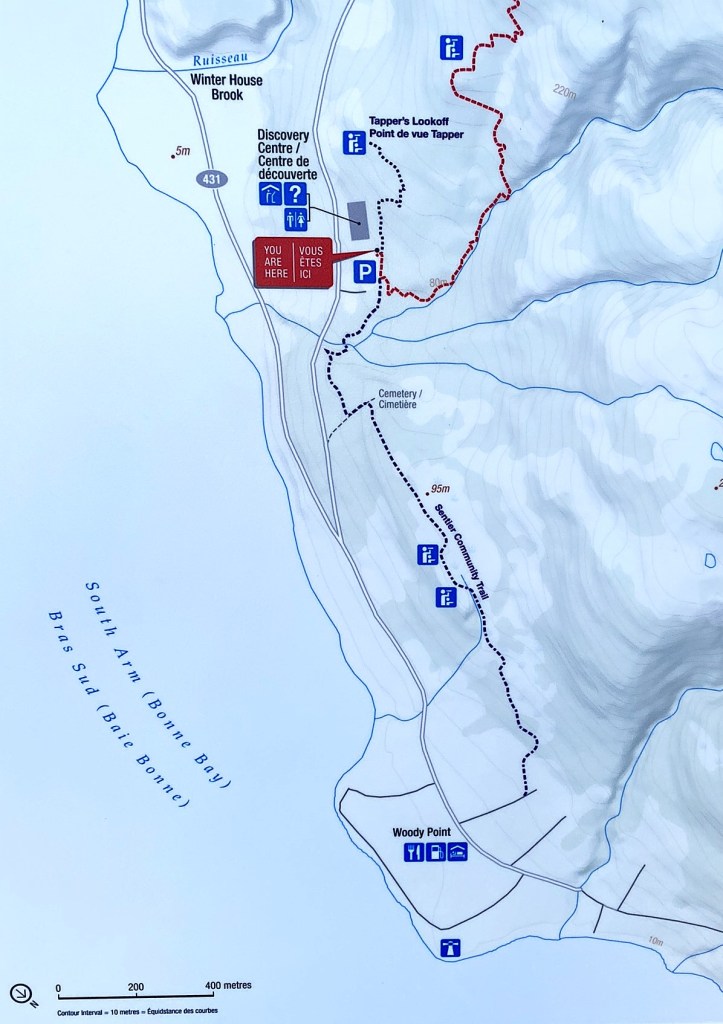
After lunch we did another short hike on the “Community Trail” from the Discovery Centre to the village of Woody Point.
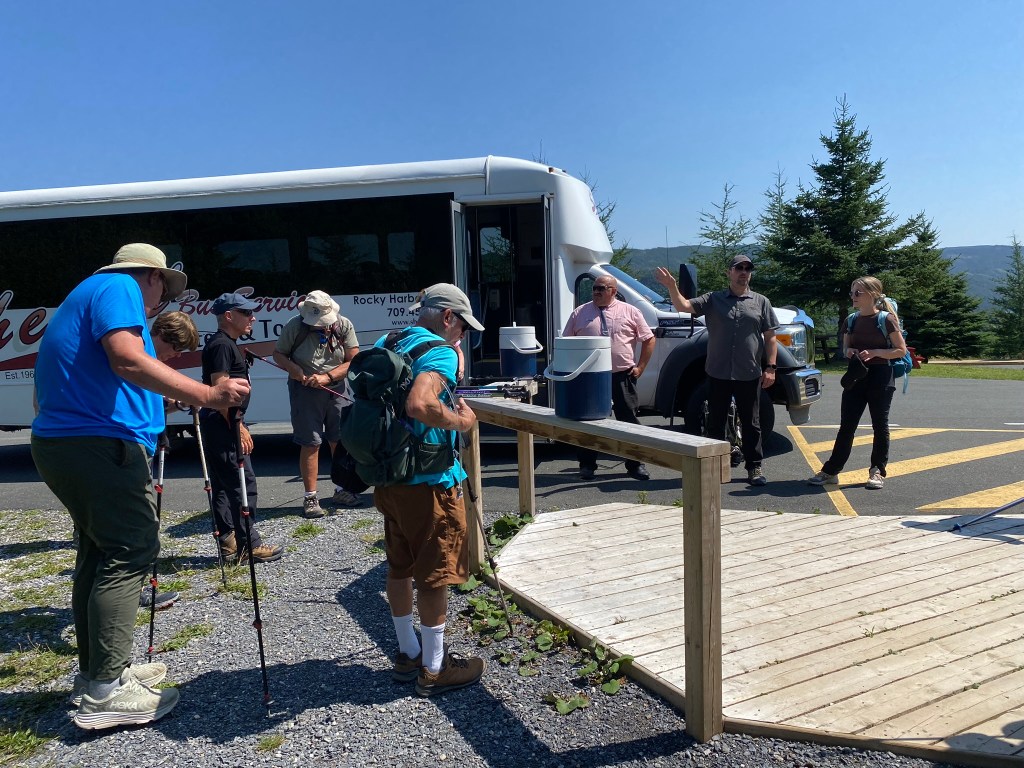
That’s our 24-passenger bus and our driver in the pink shirt. There are 23 signed up for the trip, but 2 people are still stuck in airline purgatory Somewhere In Canada because of cancelled flights, missing the first two days.

The best hike goes up to a Lookout, but this is a SENIORS trip, and we’re on a less ambitious hiking agenda.
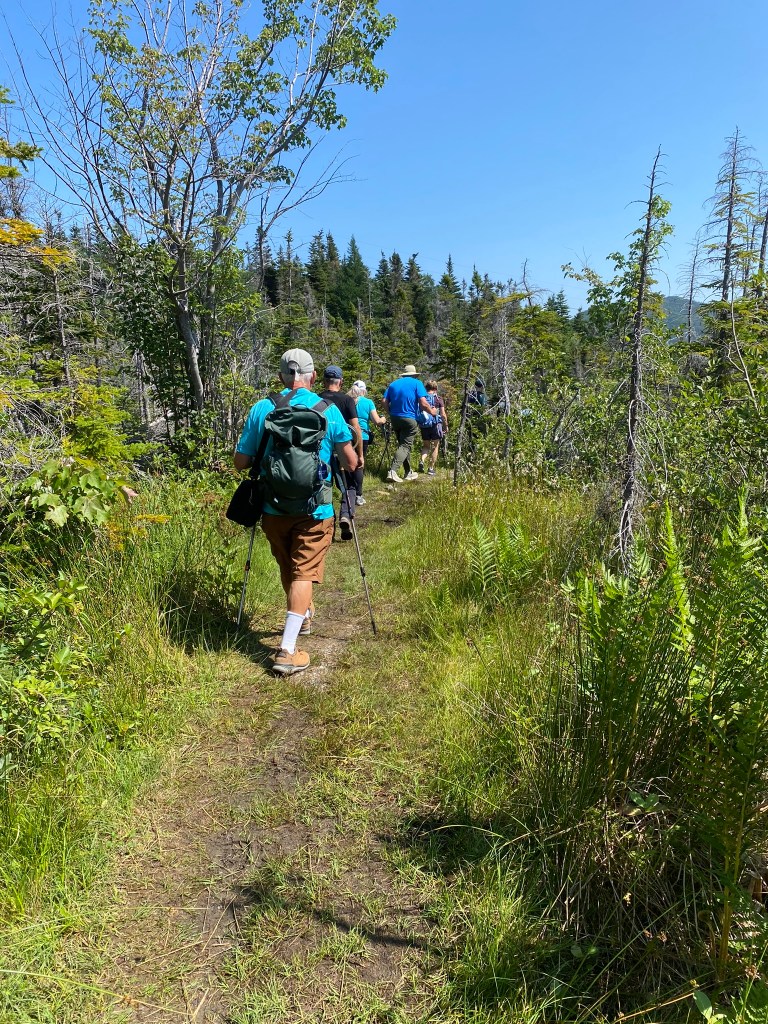
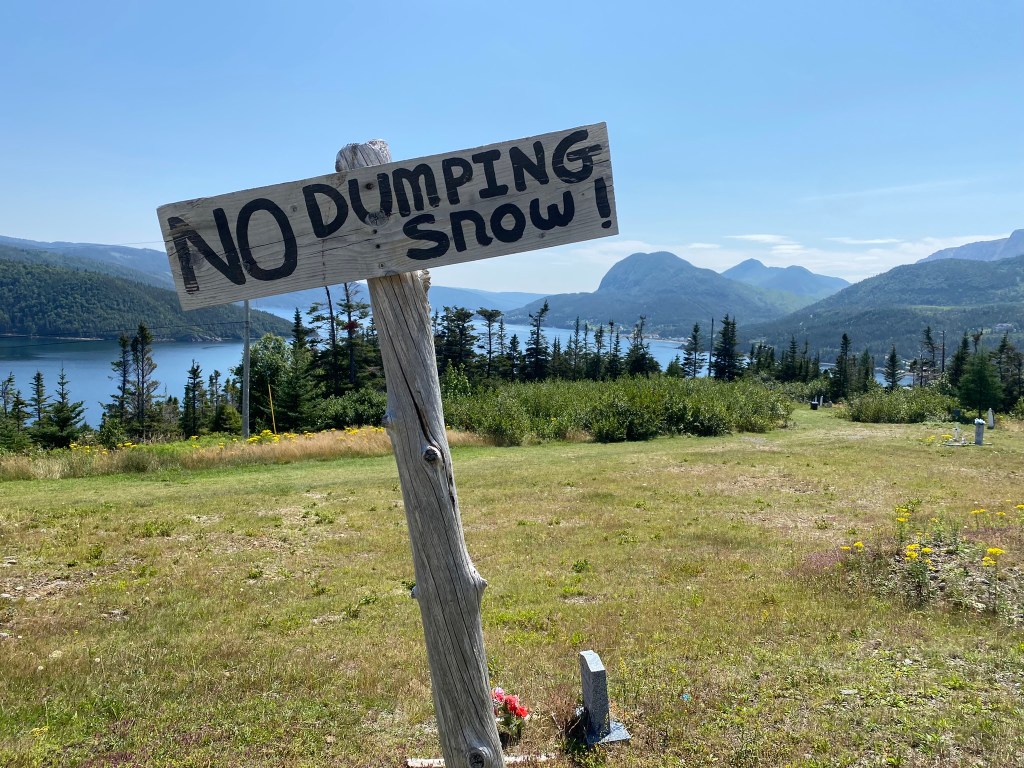
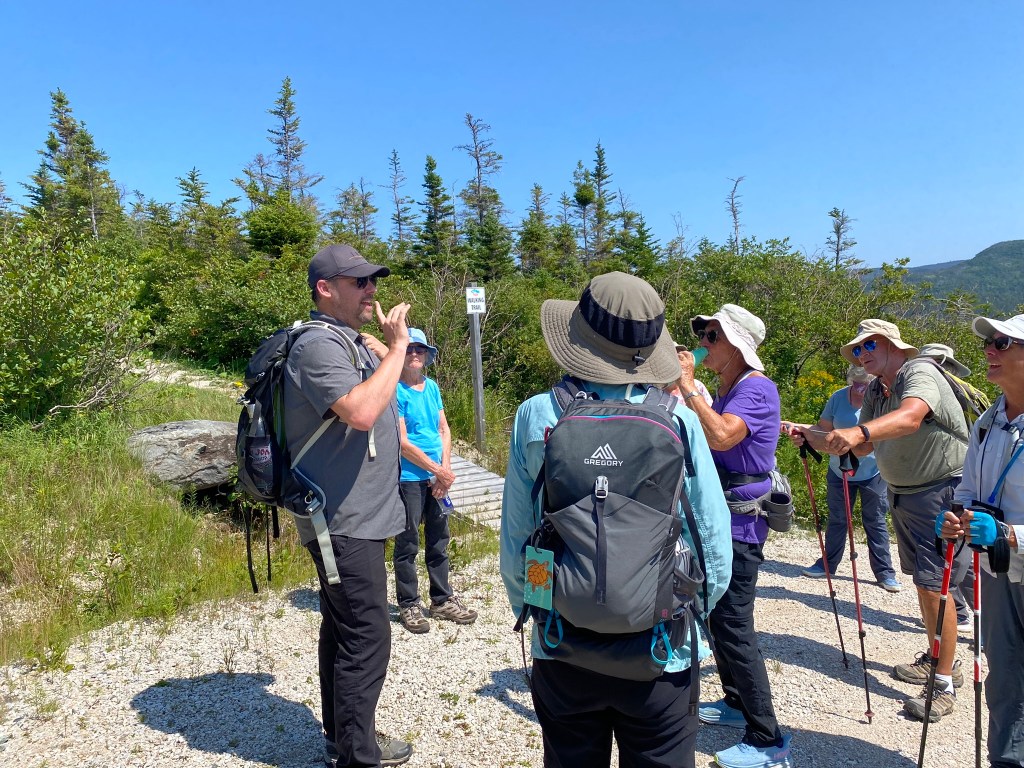
Our tour guide, Ian, makes frequent stops to share some historical information or point out geology or plants.
I asked him to point out a Spruce Grouse for me. We’ll see if he can deliver.
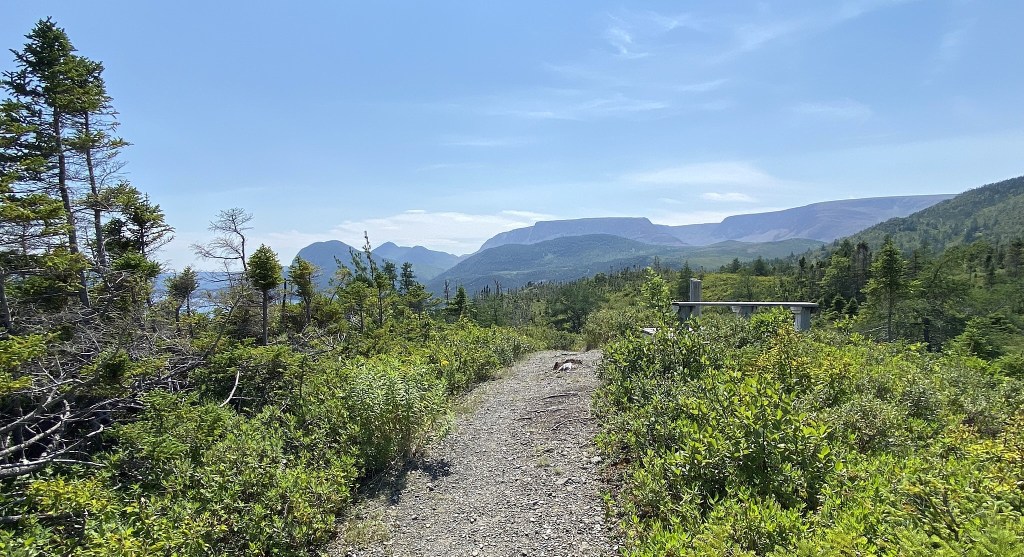
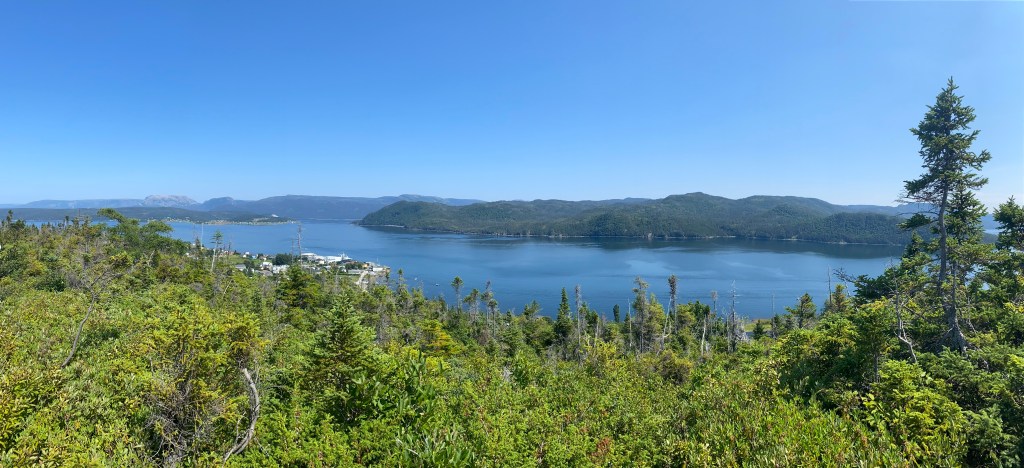
Bonne Bay is pronounced BON Bay, not “Bonnie”
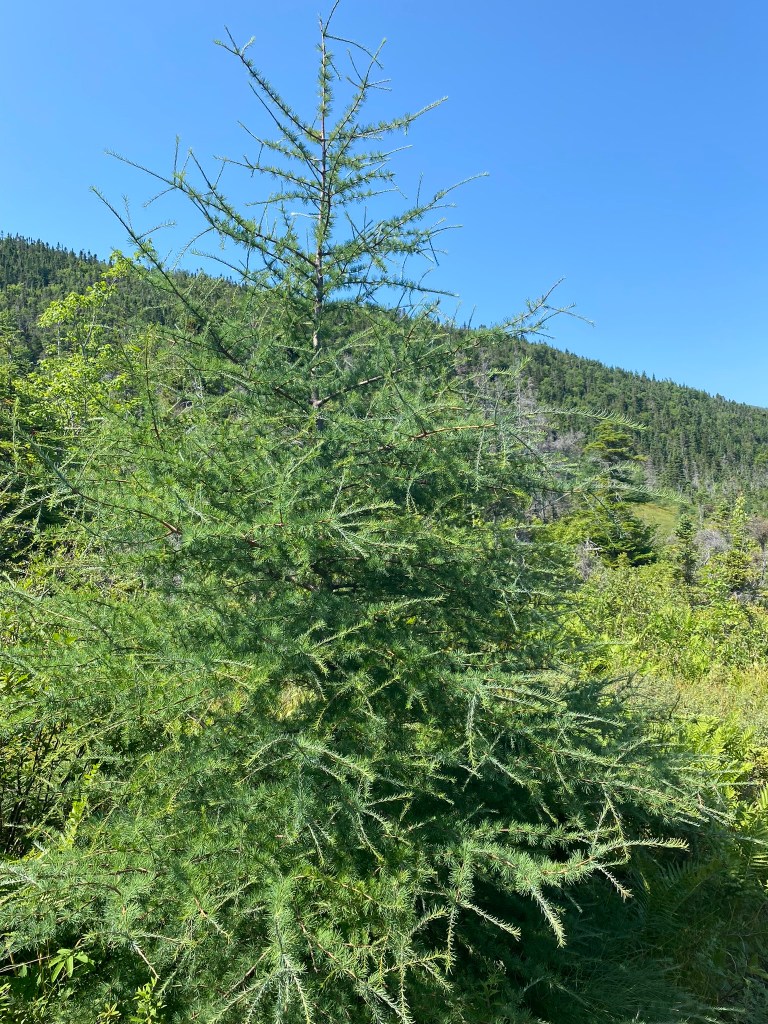
Tamaracks are closely related to the Western Larch. They’re a deciduous conifer, losing their needle-leaves in the fall after turning yellow.
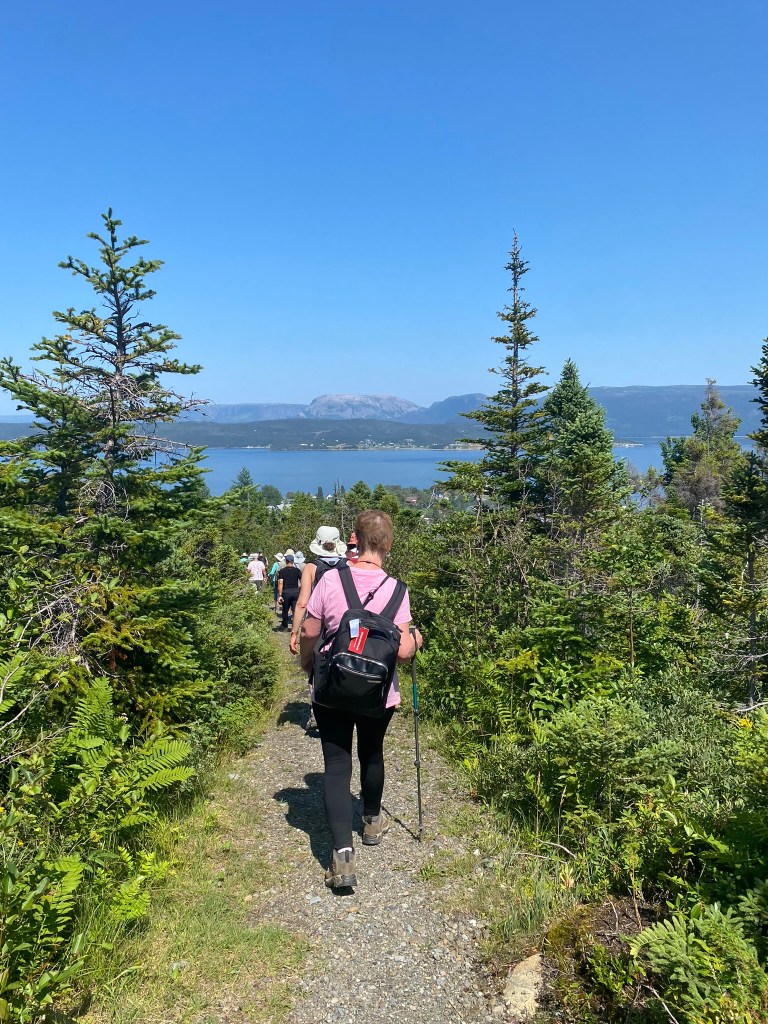
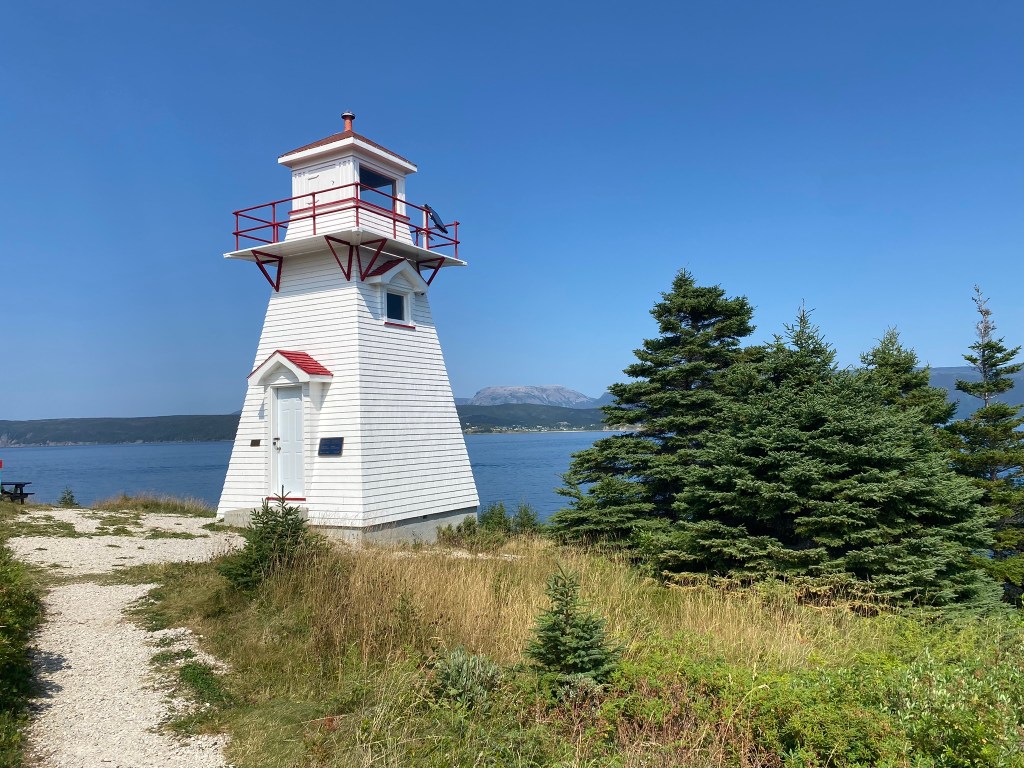
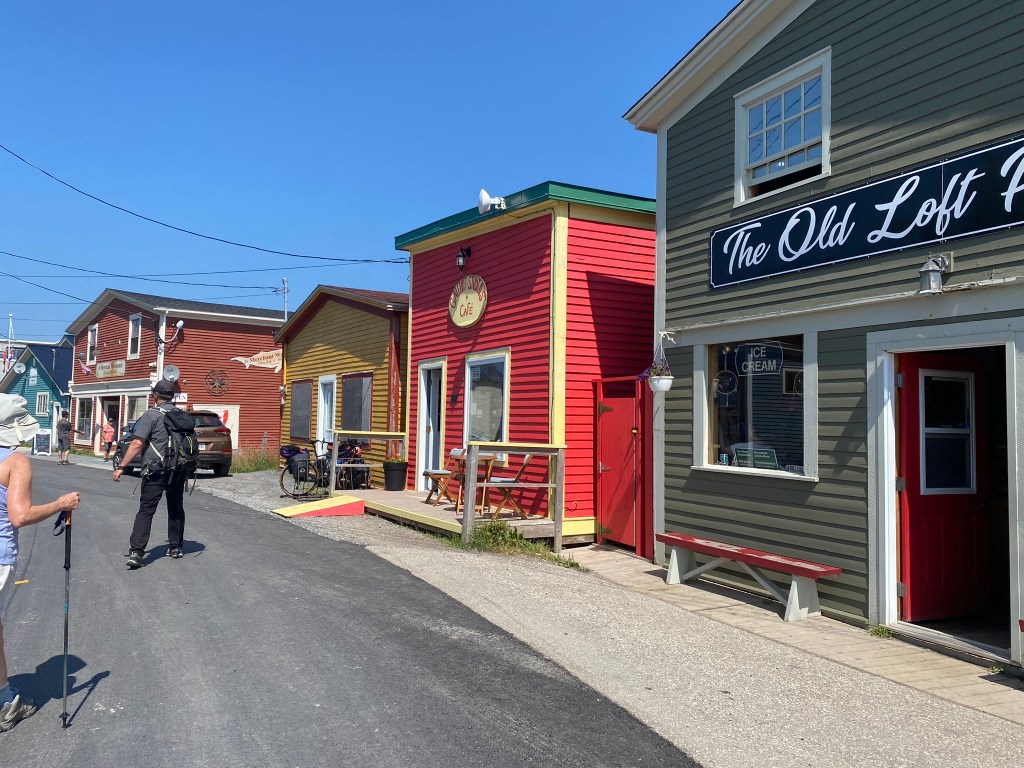
Woody Point, population 240 (although it swells to 800 in summer)
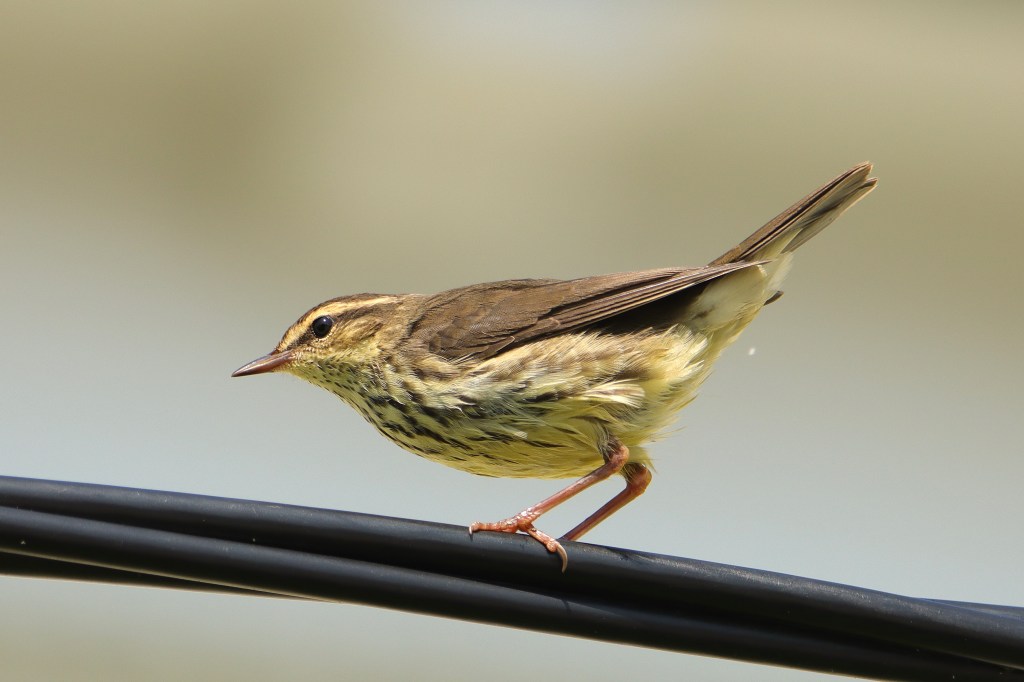
Northern Waterthrush are common here on their breeding grounds. It was a bit surprising to see this one perched on a wire–we usually see them along lush creeks.
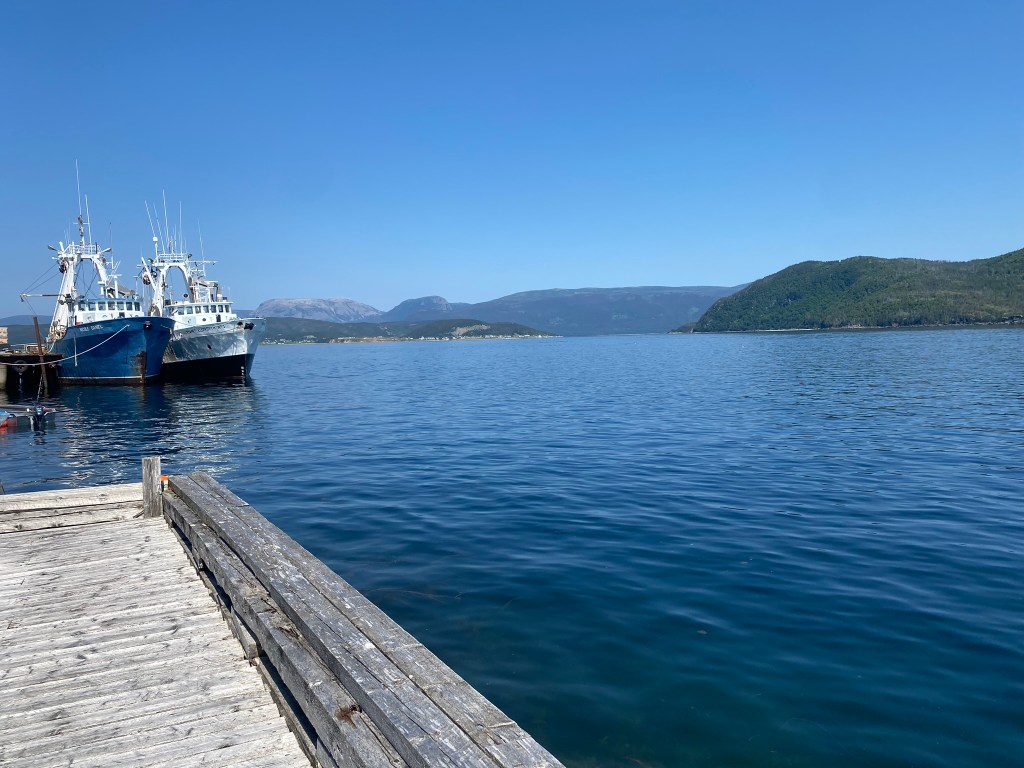

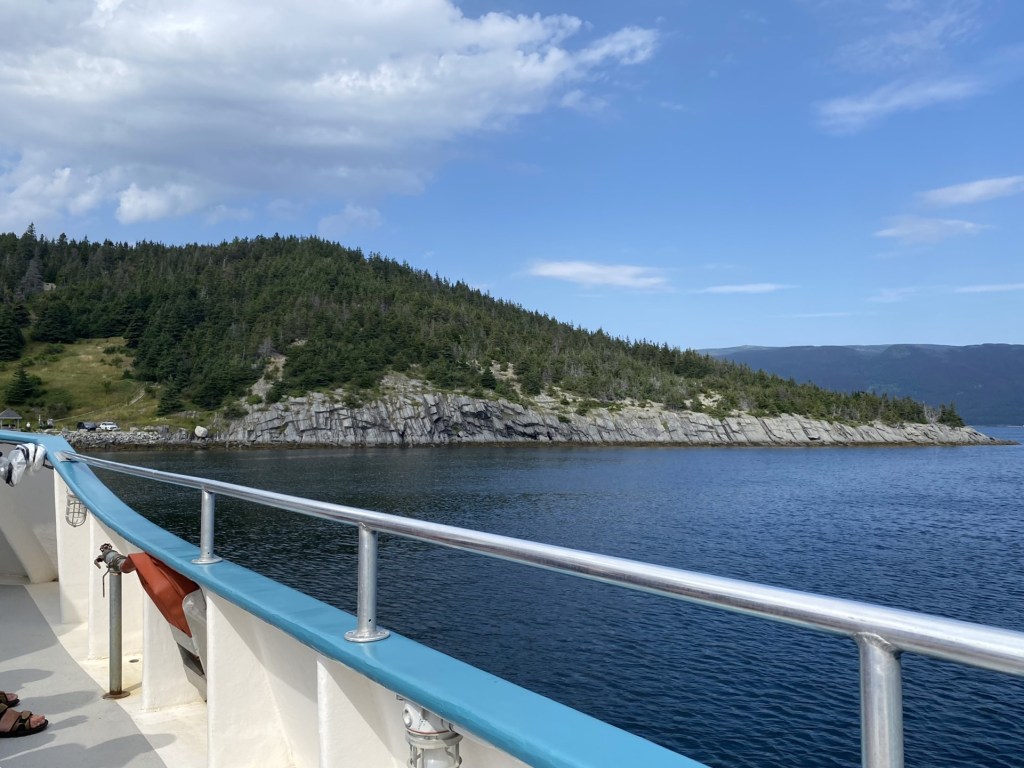
We took this boat across the Bay. The bus took the long way around and met us at the dock.
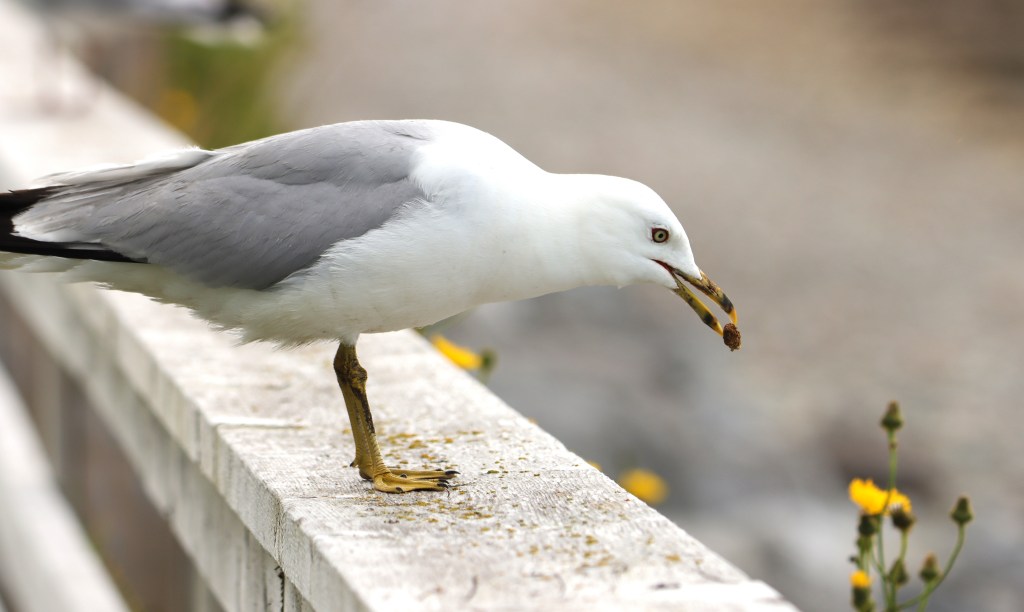
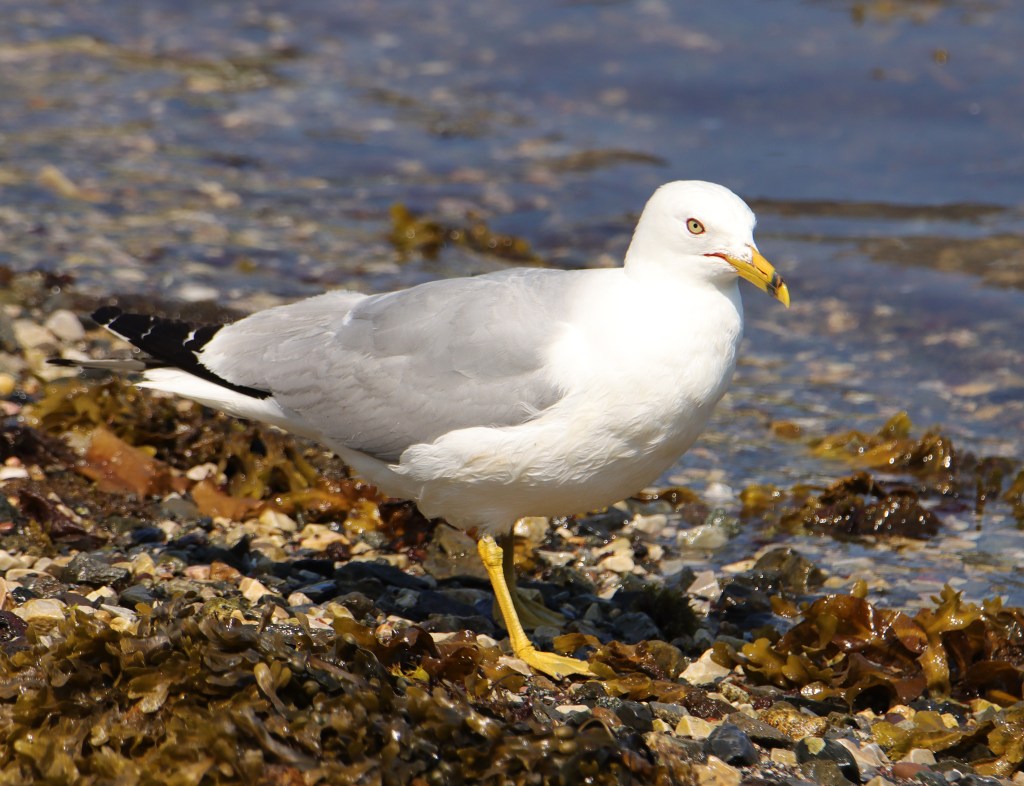
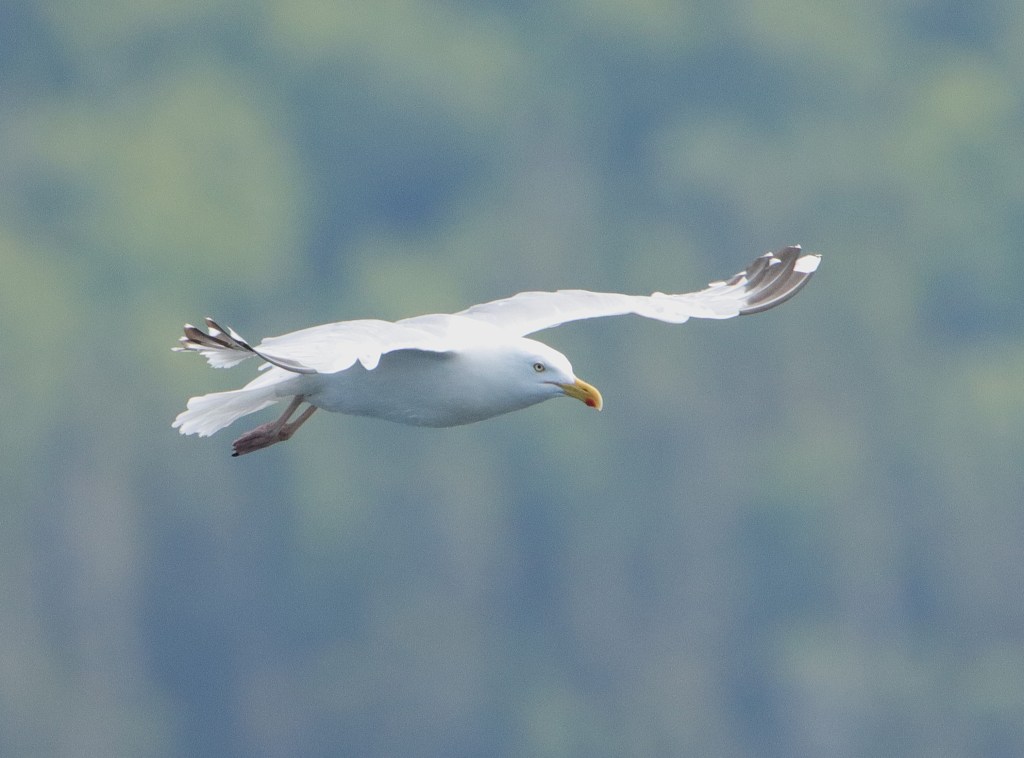
There were more Ring-billed Gulls at the hotel, which is right on the Gulf of Saint Lawrence.
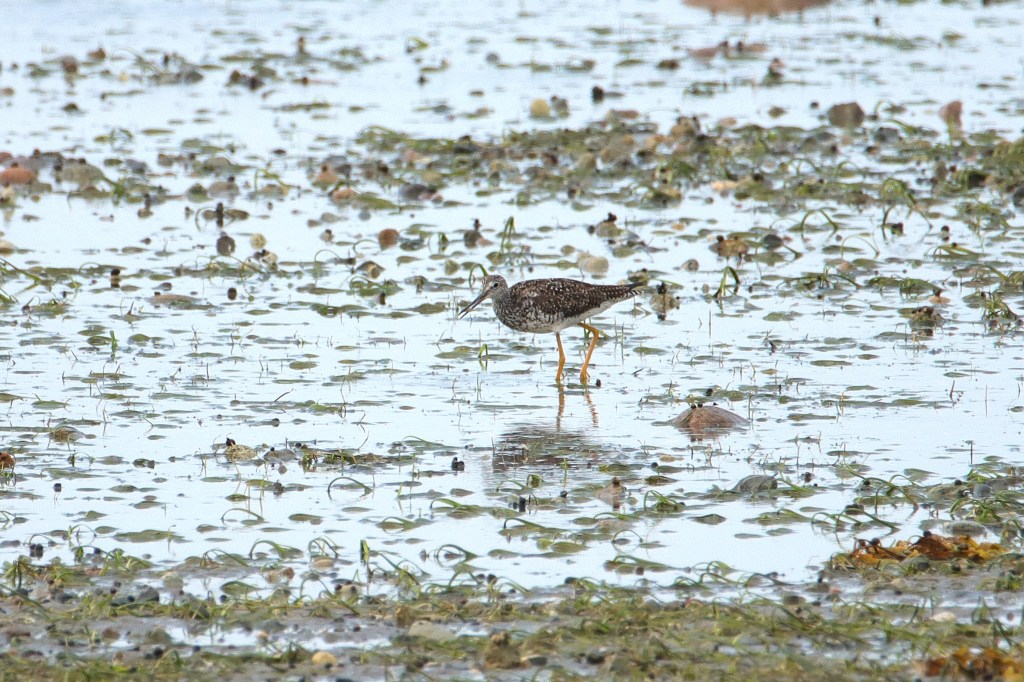
And a Greater Yellowlegs to finish off the day!

Not exactly sure how I’m supposed to boil water in my hotel room, so I went to the front desk. The receptionist suggested I use the coffee maker.
I was not amused.
Eventually they handed me a quart of appropriately filtered water.
Could be worse–I could still be stuck in Toronto!
 My.Bird.Walks.
It might have been hotter than you expected, but I bet it wasn’t as hot as NC.
LikeLike
I shared this first part of your new BIG adventure, with Ashely, a young woman who attends my present church. She is a brand-new Christian, and a Geology major, at Texas A & M. Her parents live near the church, and she’s home for the summer (for two more weeks). The problem with me showing her your photos, was, she gave me way too much information about the usual top layers of soil, worldwide.
Thanks for taking us along!
Lorraine Boyd Cypress, TX
>
LikeLike