
Hiking is walking on a mostly natural surface (i.e., a trail) for scenery and exercise.
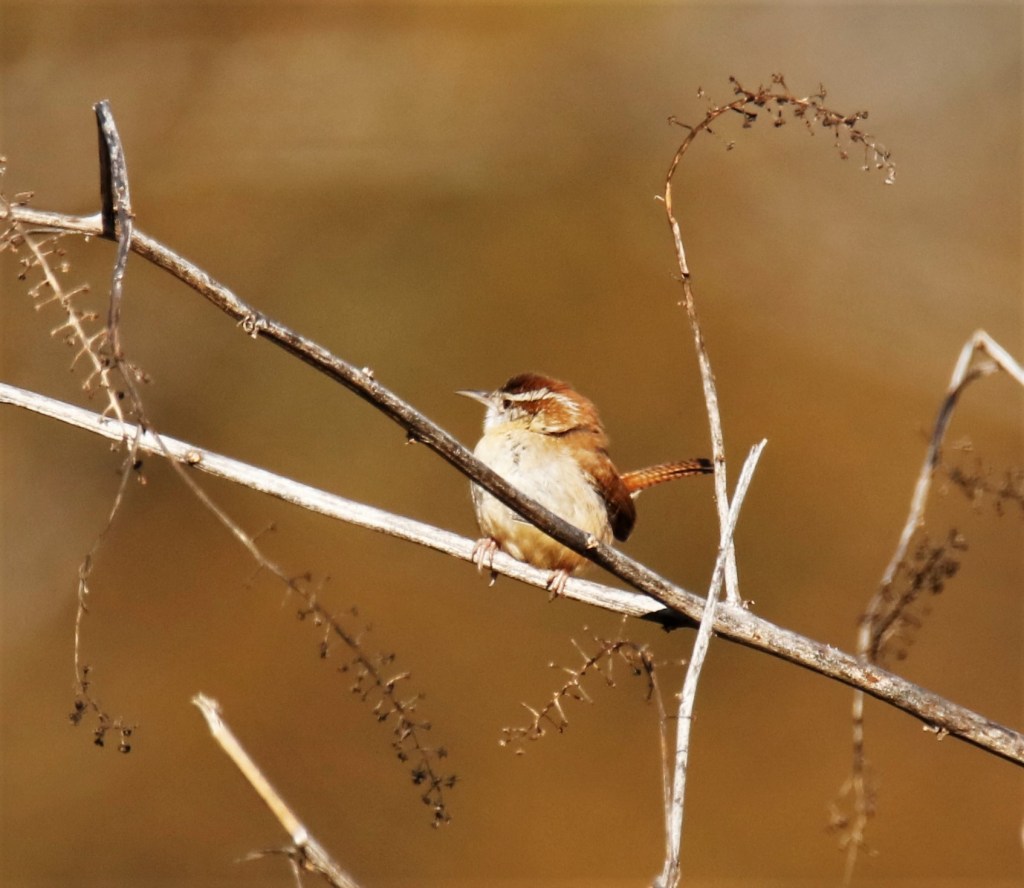
Birding is intentional observation and identification of our feathered friends.
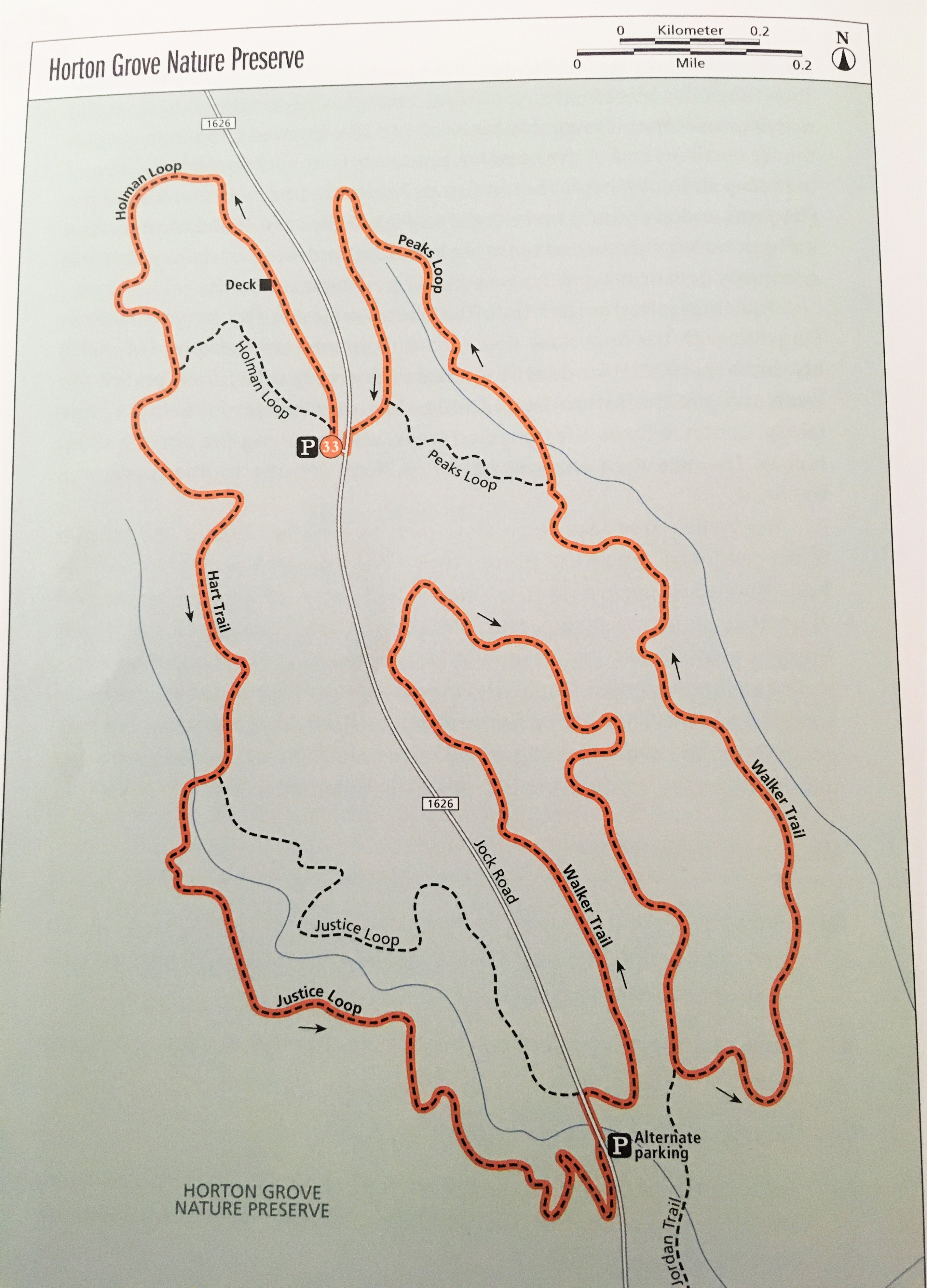
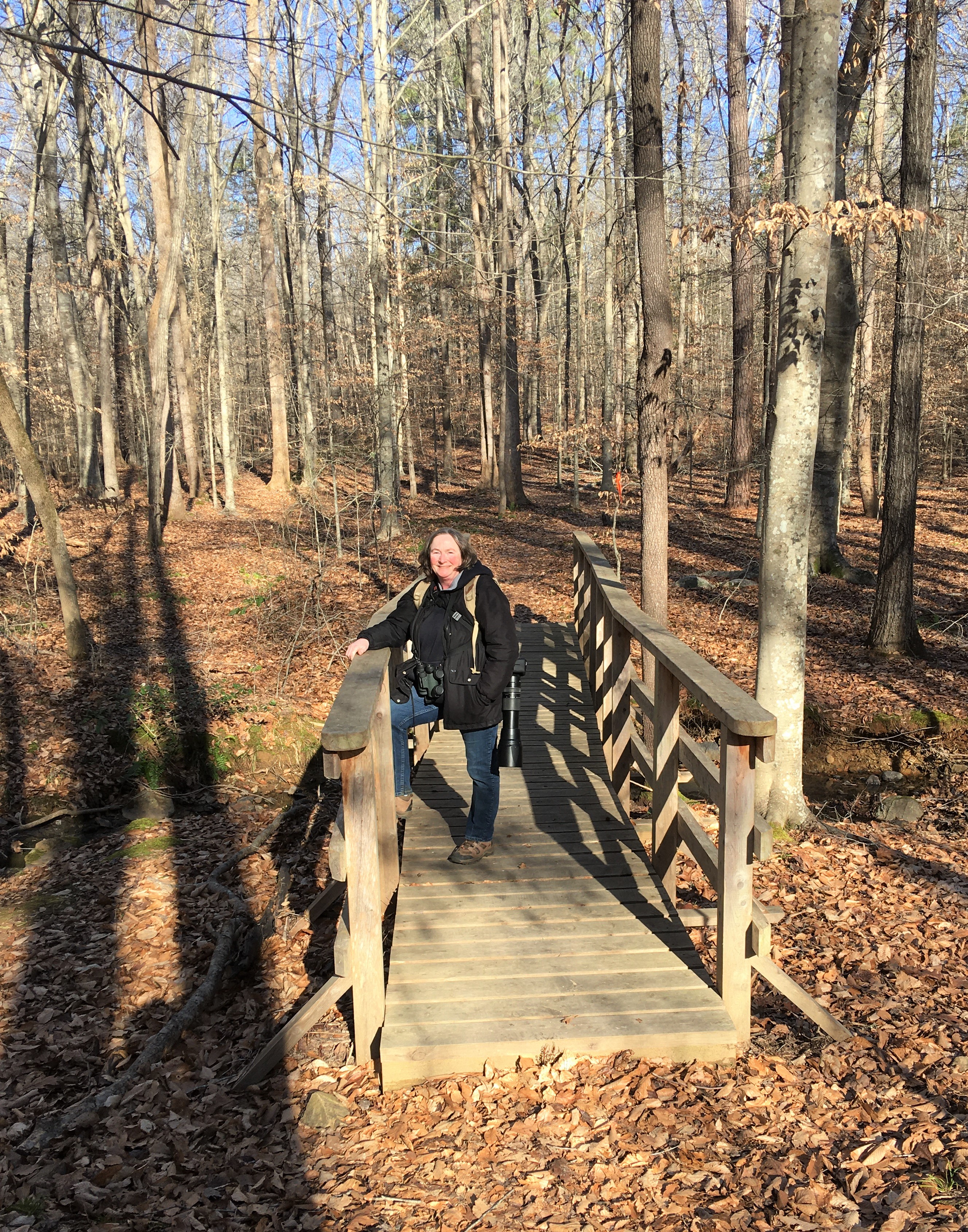
At a rich, birdy site you can easily spend 3 hours and go, maybe, a half a mile. Intense, but not very cardiovascular. On this particular day, we chose 4.5 miles of fitness (but still with camera and zoom and bins, because birders are very hopeful people).


The meadow at the beginning of the hike was the only open grassland of the route. The rest was heavily forested, so birding was indeed thin. Only 16 common species with mostly far away views (like these Northern Flickers).

Maybe in spring?
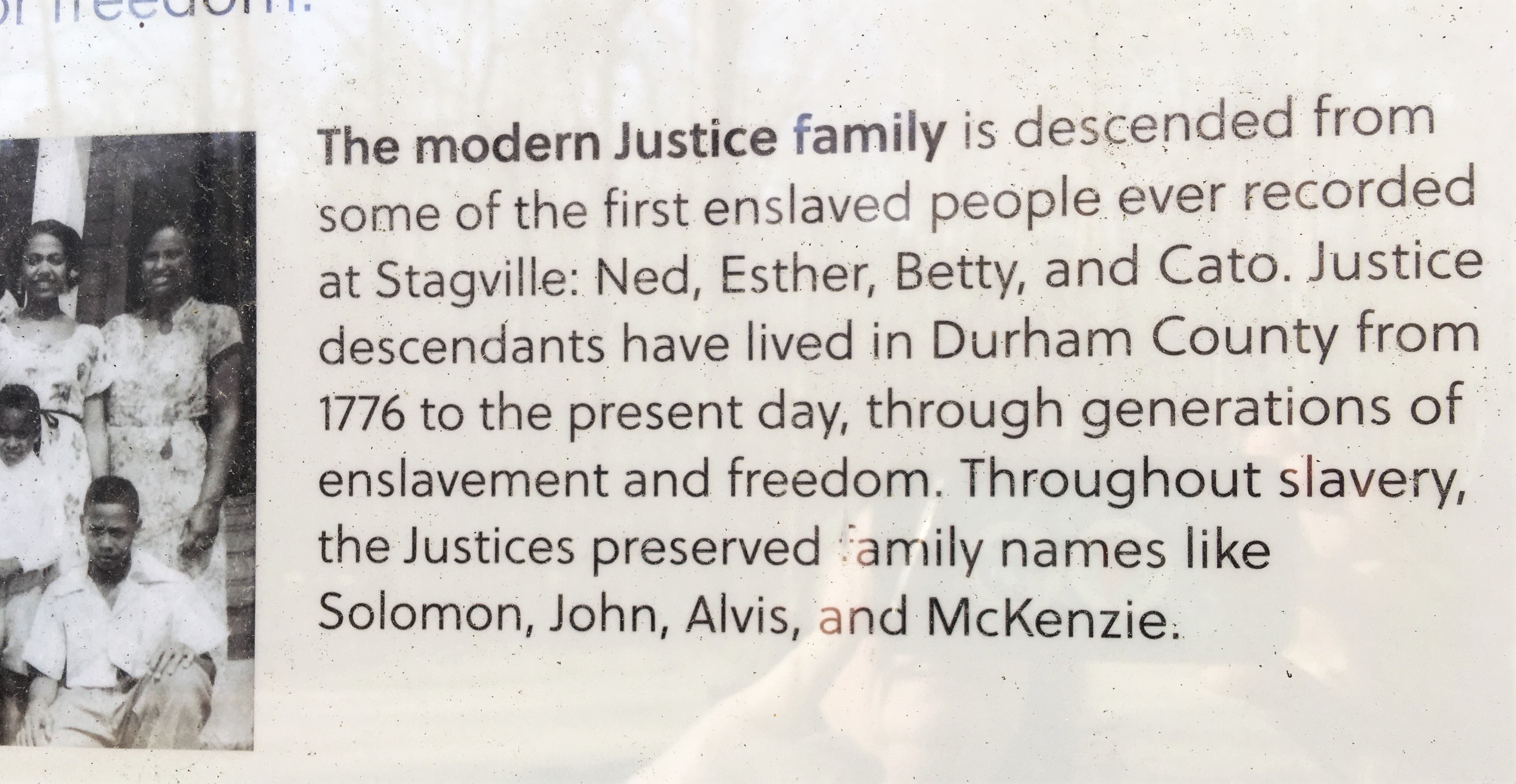
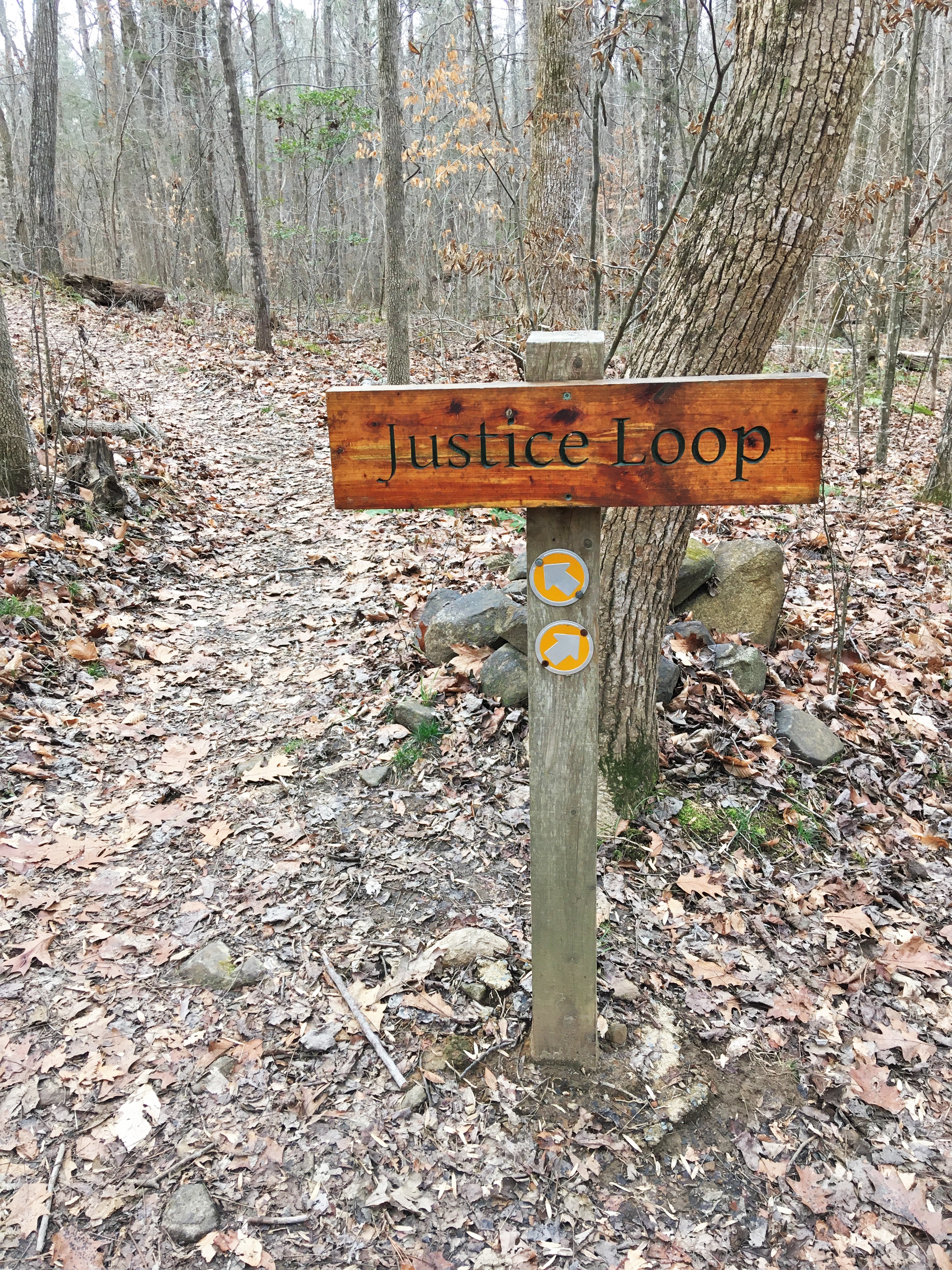
We found the natural beauty and the history of the area more interesting than the birds. For example, the trail loops are named after enslaved families who once lived and toiled on the plantations’s 30,000 acres: Holman, Justice, Walker, Peaks, and Hart.
And there are always fun surprises along maintained trails, like this bench with an ottoman:

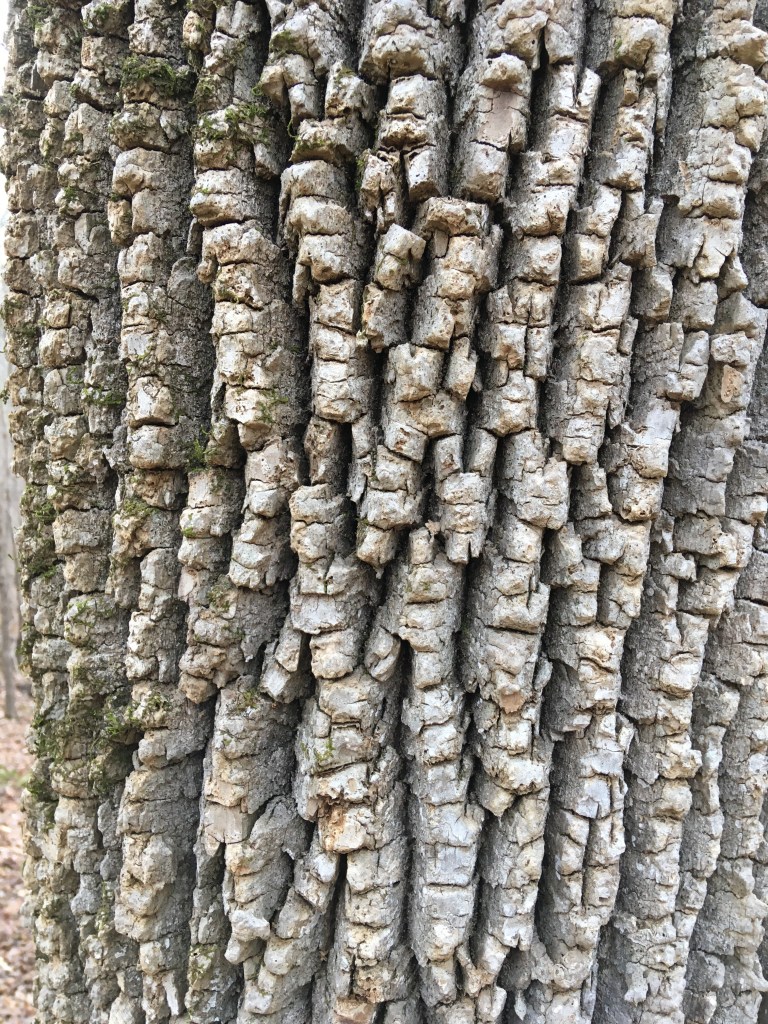
We learned that this alligator-bark tree is an American Persimmon.
Cool.
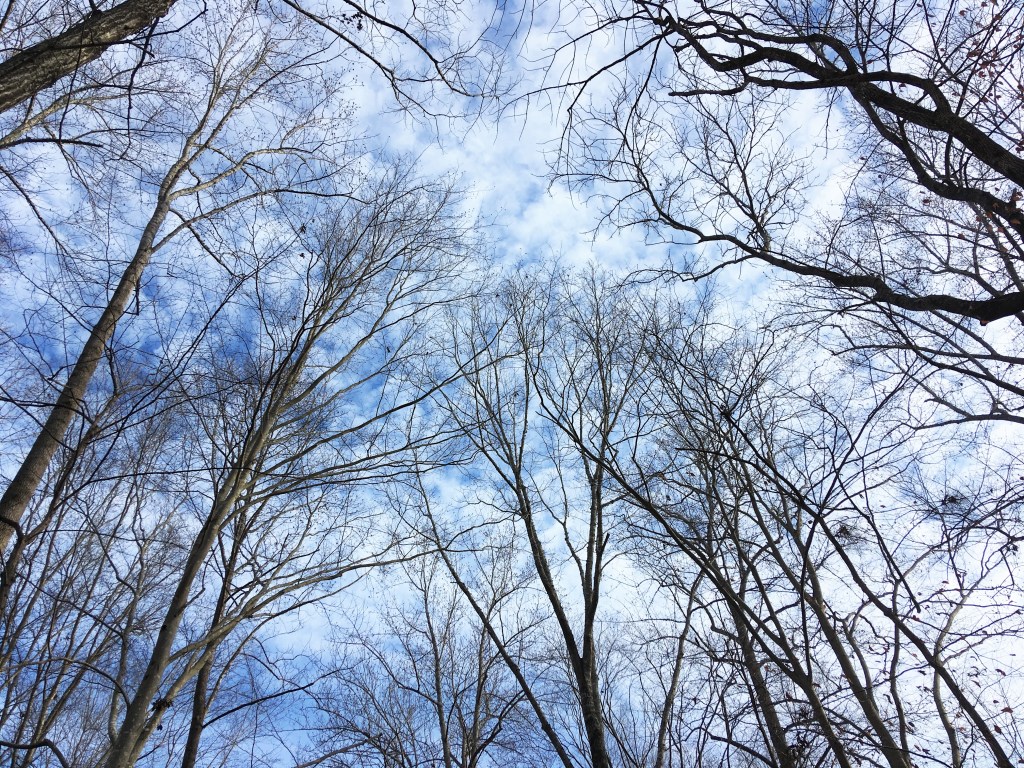
― Khalil Gibran
End of hike…..and now some local history!
Adjacent to the Horton Grove Nature Preserve is the Stagville State Historic Site, which we had driven past on our way to the trailhead. Now we stopped to learn more.
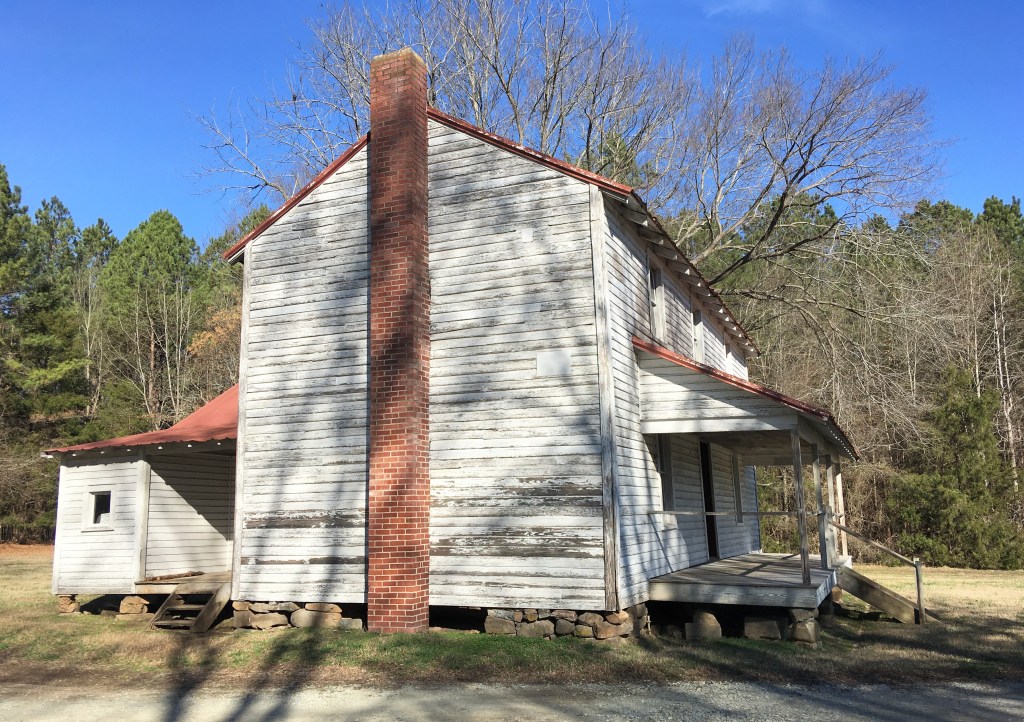
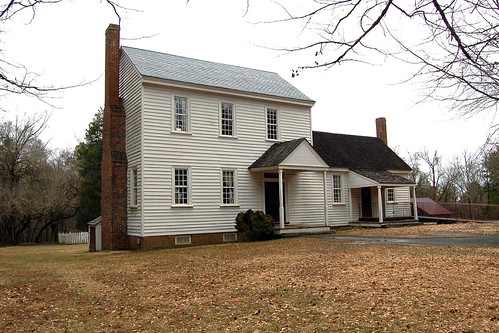


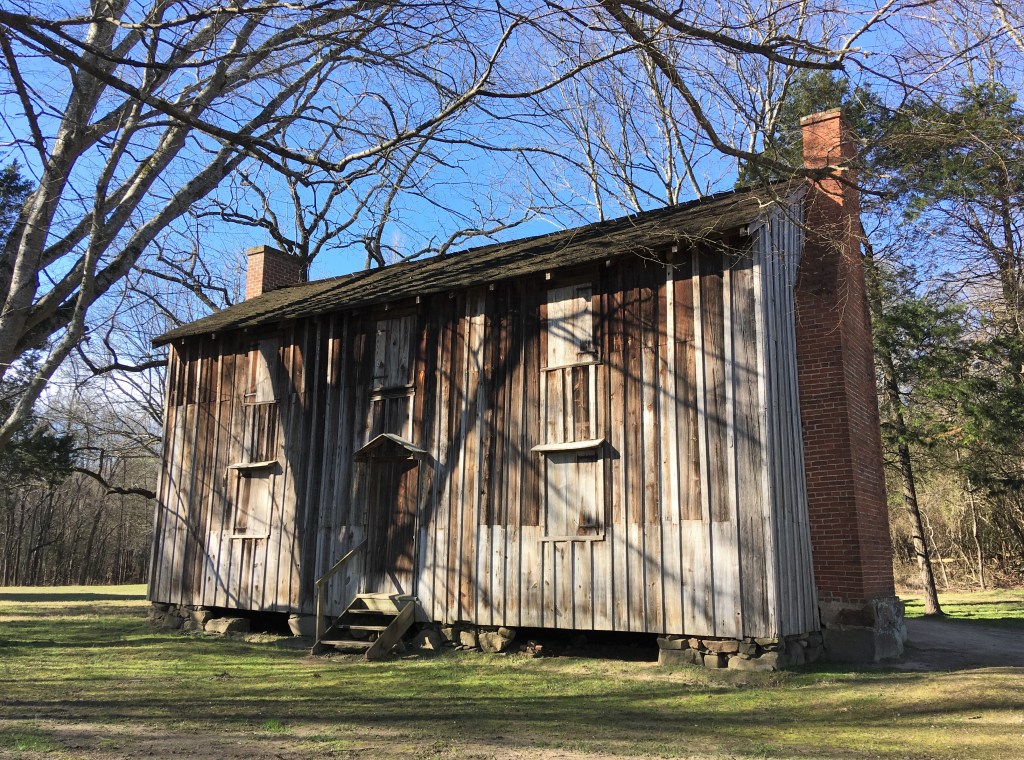
“Throughout the South, a typical enslaved house would have been a one-room, one-story structure. The design of the Horton Grove slave houses employed brick nogging, which not only provided insulation from the heat and cold, but also deterred rodent infestation, which could have created health problems. Family records reveal the design of these buildings was a deliberate attempt on Paul Cameron’s part to provide a healthier living environment for his slaves. In other words, his architectural investment protected his human investment.”
And within 15 years, that “investment” was free to leave…although as we learned earlier, many descendants are still in the region.


 My.Bird.Walks.
Looks like a very interesting place. I will have to check it out soon!
LikeLiked by 1 person